
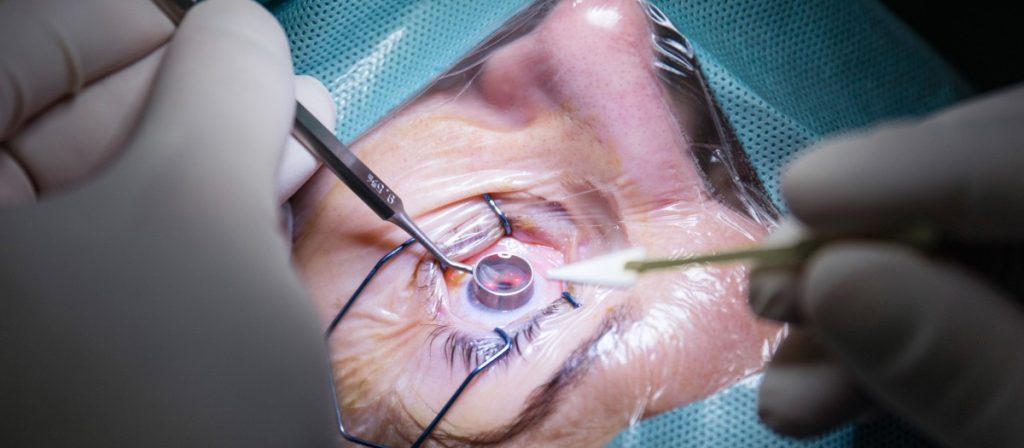
For millions of people, glasses and contact lenses are part of everyday life. While they correct vision effectively, they can also be inconvenient, uncomfortable, or limiting. LASIK eye surgery offers an alternative by reshaping the eye to improve vision and reduce dependence on corrective eyewear.
LASIK has been performed for decades and continues to evolve with advances in technology and surgical techniques. Still, many people considering the procedure want to understand exactly how it works, what happens during surgery, and what outcomes to realistically expect.
This article explains how LASIK eye surgery works, from preparation and procedure to recovery and long-term results.

What LASIK Eye Surgery Is Designed to Do
LASIK stands for Laser-Assisted In Situ Keratomileusis. It is a vision correction procedure that reshapes the cornea, the clear front surface of the eye, so that light entering the eye focuses properly on the retina.
When light does not focus correctly, vision becomes blurry. This can result in:
- Nearsightedness
- Farsightedness
- Astigmatism
LASIK corrects these issues by changing the curvature of the cornea, allowing clearer vision without glasses or contact lenses.
Understanding the Role of the Cornea
The cornea plays a critical role in focusing light. Even small irregularities in its shape can affect vision quality.
In eyes with refractive errors:
- Light focuses in front of or behind the retina
- Images appear blurred or distorted
LASIK precisely reshapes the cornea so light focuses directly on the retina, improving clarity.
Who Is Typically Considered for LASIK
LASIK is not appropriate for everyone. Candidates are evaluated carefully to ensure the procedure is safe and effective.
Typical considerations include:
- Stable vision for at least one year
- Adequate corneal thickness
- Healthy eyes without certain conditions
- Realistic expectations
A comprehensive eye exam determines whether LASIK is a suitable option.
The Pre-Surgery Evaluation Process
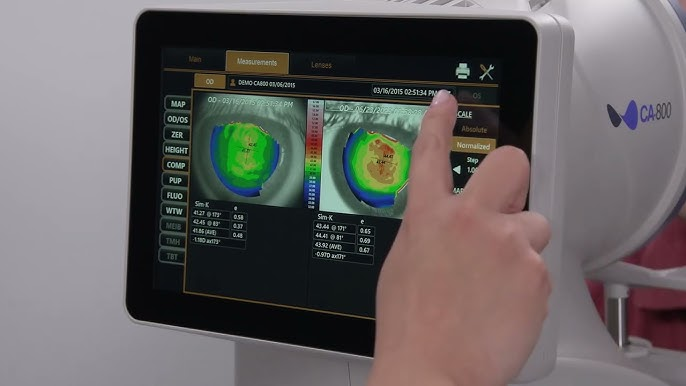
Before LASIK, patients undergo detailed testing to map the shape and thickness of the cornea and assess overall eye health.
This evaluation helps:
- Confirm candidacy
- Customize the laser treatment
- Reduce the risk of complications
Accurate measurements are essential for achieving optimal results.
Step-by-Step: How LASIK Eye Surgery Works
LASIK is typically completed in less than 30 minutes for both eyes and is performed on an outpatient basis.
Step 1: Numbing the Eye
Numbing eye drops are applied to ensure comfort during the procedure. Patients remain awake but relaxed.
Step 2: Creating the Corneal Flap
A thin flap is created on the surface of the cornea. This flap allows access to the underlying corneal tissue.
Step 3: Reshaping the Cornea
A laser reshapes the cornea based on the patient’s specific vision correction needs. The laser removes microscopic amounts of tissue to adjust how light is focused.
Step 4: Repositioning the Flap
The corneal flap is carefully placed back into position, where it naturally adheres without stitches.
What Patients Experience During the Procedure
During LASIK, patients may notice:
- Pressure on the eye
- Temporary dimming of vision
- Sounds from the laser system
The procedure itself is painless due to numbing drops, and discomfort is typically minimal.
Immediate Results After LASIK
Many patients notice improved vision within hours of surgery. However, vision may fluctuate slightly during the initial healing period.
Common early experiences include:
- Clearer vision within a day
- Mild dryness or irritation
- Sensitivity to light
These effects usually improve as the eyes heal.

Recovery and Healing Timeline
Recovery from LASIK is generally quick compared to other surgical procedures.
Typical recovery milestones:
- Return to normal activities within a day or two
- Follow-up exams to monitor healing
- Gradual stabilization of vision over several weeks
Patients are usually advised to avoid rubbing their eyes and to use prescribed eye drops as directed.
Long-Term Vision Outcomes
LASIK is designed to provide long-lasting vision correction. Many patients achieve significantly reduced dependence on glasses or contacts.
Long-term results depend on factors such as:
- Age
- Vision prescription
- Eye health
While LASIK does not prevent natural age-related vision changes, it can provide lasting improvement for refractive errors.
Benefits of LASIK Eye Surgery
LASIK offers several potential advantages:
- Improved visual clarity
- Reduced reliance on corrective lenses
- Quick recovery time
- High satisfaction rates
For many people, the convenience gained outweighs the initial procedure.
Possible Risks and Considerations
As with any medical procedure, LASIK carries potential risks. Understanding these risks helps set realistic expectations.
Possible considerations include:
- Dry eye symptoms
- Temporary visual disturbances
- Under- or over-correction
Most side effects are temporary, and serious complications are uncommon when proper screening is performed.

LASIK vs Other Vision Correction Options
LASIK is one of several vision correction procedures available. Other options may be considered depending on eye structure and vision needs.
Alternatives include:
- PRK
- Implantable lenses
- Continued use of glasses or contacts
A qualified eye care professional can help determine the best option for each individual.
Cost and Value Considerations
LASIK is typically an out-of-pocket expense. While the upfront cost may seem significant, many patients consider long-term savings from reduced eyewear expenses.
Evaluating value includes:
- Lifestyle convenience
- Long-term vision benefits
- Reduced recurring costs
For some, LASIK represents both a medical and quality-of-life investment.
Common Myths About LASIK
There are several misconceptions about LASIK that can cause hesitation.
Common myths include:
- LASIK is painful
- Vision correction is temporary
- Recovery takes a long time
Modern LASIK techniques have addressed many early concerns through improved technology and safety protocols.
Preparing for LASIK Surgery
Preparation helps ensure a smooth experience and optimal results.
Preparation may involve:
- Discontinuing contact lens use before evaluation
- Arranging transportation for surgery day
- Following pre-surgery instructions
Being well-prepared supports better outcomes.
Final Thoughts: Understanding How LASIK Eye Surgery Works
LASIK eye surgery works by reshaping the cornea to improve how light focuses on the retina, resulting in clearer vision for many people. Through precise technology, careful screening, and a quick recovery process, LASIK has become a widely trusted vision correction option.
Understanding how the procedure works helps individuals make informed decisions about their eye health. For those who qualify, LASIK can offer lasting visual improvement and greater freedom from glasses or contact lenses.