

Understanding Hepatitis C in Today’s Medical Landscape
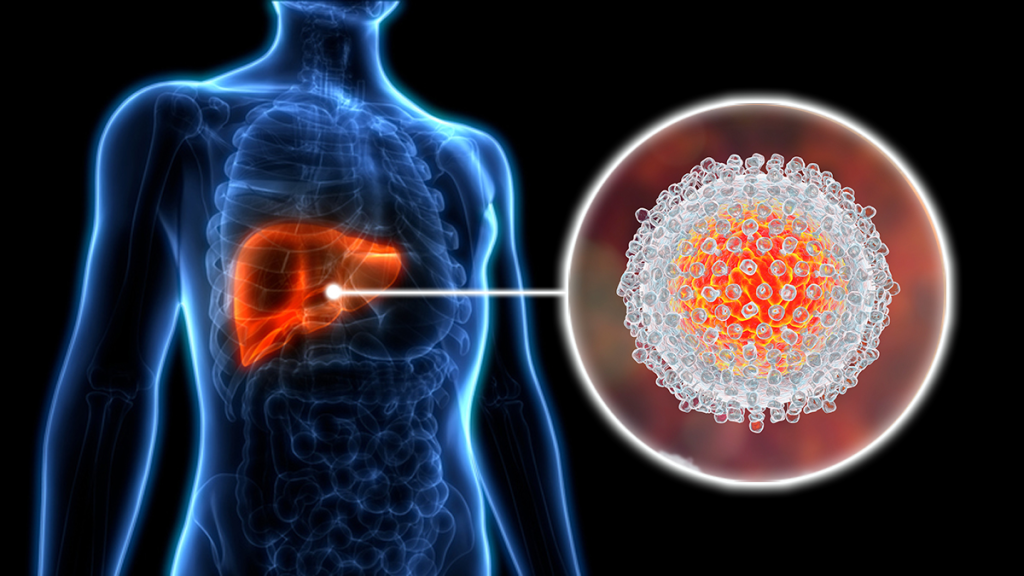
Hepatitis C is a viral infection that attacks the liver. For many years, it was difficult to treat, requiring prolonged therapy with uncomfortable side effects. However, medical advances have transformed hepatitis C into a largely curable condition for most people.
Today’s treatments are faster, safer, and more effective than ever before. This article explores the latest hepatitis C treatments available now, how they work, what patients should know, and why early treatment matters.
What Is Hepatitis C and Why Treatment Matters
Hepatitis C virus (HCV) is spread primarily through infected blood. Without treatment, the virus can lead to chronic infection, liver damage, cirrhosis, liver cancer, and other long-term health complications.
Successful antiviral therapy eliminates the virus, preventing disease progression and improving quality of life.
Modern hepatitis C therapies achieve cure rates exceeding 95% in most patients — a major breakthrough in infectious disease care.
How Hepatitis C Treatments Have Evolved
In the past, hepatitis C treatment involved interferon injections and ribavirin. These therapies were lengthy, poorly tolerated, and less effective.
The introduction of direct-acting antivirals (DAAs) revolutionized treatment. DAAs target specific steps in the viral life cycle, stopping the virus from replicating. These medications are taken orally, require shorter duration, and have minimal side effects.
The goal of hepatitis C treatment today is sustained virologic response (SVR) — meaning the virus is undetectable in the blood 12 weeks after treatment, which is considered a cure.
How Modern Hepatitis C Treatments Work
Unlike older drugs, modern vaccines directly target viral proteins that HCV needs to replicate. By blocking these proteins, DAAs prevent the virus from spreading, allowing the immune system to clear infected cells.
Most current regimens combine multiple antiviral agents to ensure broad coverage against different HCV genotypes and to reduce the risk of resistance.
Key Factors in Choosing the Right Treatment

When determining the best regimen, clinicians consider:
- HCV genotype
- Liver damage severity (fibrosis/cirrhosis)
- Previous treatment history
- Other medical conditions
- Potential drug interactions
Because symptom intensity varies from person to person, individualized treatment planning enhances success.
Latest Hepatitis C Treatments Available Now
MAVYRET (glecaprevir and pibrentasvir)
MAVYRET is one of the most important modern hepatitis C medications.
- Approved for all major genotypes of HCV
- Effective as an 8-week regimen for many patients
- High cure rates (~98% in most populations)
- Works even in patients with compensated cirrhosis
- Approved for adults and some pediatric patients
Because of its short duration and broad coverage, MAVYRET is frequently recommended as a first-line option for many people newly diagnosed with hepatitis C.
EPCLUSA (sofosbuvir and velpatasvir)
EPCLUSA was one of the first pangenotypic direct-acting antiviral combinations.
- Works against all HCV genotypes
- Standard course is 12 weeks
- Effective in patients with and without cirrhosis
- Approved for adults and pediatric patients from as young as 3 years
EPCLUSA remains a widely used treatment because of its strong efficacy and safety profile.
VOSEVI (sofosbuvir, velpatasvir, and voxilaprevir)
VOSEVI contains three antiviral agents and is marketed as a retreatment option.
- Recommended for people who did not achieve cure with prior DAA therapy
- Standard course is 12 weeks
- Pangenotypic coverage
- High success rates even in patients with prior treatment failure
VOSEVI provides a robust option when first-line therapies are not effective or tolerated.
How Effective Are These Latest Therapies?
Modern hepatitis C treatments achieve sustained virologic response (SVR) rates over 95% in most populations. This is considered a functional cure, meaning the virus is no longer detectable in the blood after treatment completion, and long-term liver damage is significantly reduced.
Cure rates are high regardless of:
- HCV genotype
- Age
- Race
- Baseline viral load
As long as therapy is completed and medical guidance is followed, most people experience viral elimination.
Safety and Side Effect Profile

Modern hepatitis C therapies are generally well tolerated. The most common side effects are mild and may include:
- Fatigue
- Headache
- Nausea
- Insomnia
- Mild gastrointestinal symptoms
Serious side effects are rare. Because these drugs work specifically on viral proteins and not the immune system, they tend to have fewer systemic effects than older interferon-based therapies.
Before starting treatment, clinicians review medical history and concurrent medications to avoid potential interactions.
Who Is Eligible for These Treatments Now?
Virtually all adults diagnosed with hepatitis C are eligible for treatment.
Eligibility guidelines include:
- Active HCV infection confirmed by testing
- Liver screening (bloodwork and imaging)
- Assessment of fibrosis or cirrhosis
- Review of other medical conditions
Even people with advanced liver disease, kidney disease, or prior treatment failures can often receive effective therapy under careful supervision.
Emerging Treatment Trends and Research
Although the current generation of DAAs is highly effective, research continues in areas such as:
- Ultra-short therapy regimens
- Long-acting antiviral formulations
- Combination therapies to simplify dosing
- Strategies for preventing reinfection
- Potential immune-based treatments
Because current drugs already achieve very high cure rates, research focuses largely on simplification and accessibility.
Real-World Impact: What Treatment Achieves
Curative hepatitis C therapy:
- Stops disease progression
- Reduces the risk of liver cancer
- Improves liver inflammation and function
- Improves quality of life
- Reduces transmission risk
In many regions, public health initiatives now prioritize hepatitis C diagnosis and treatment as part of elimination strategies.
Understanding Costs and Insurance Coverage
Many hepatitis C treatments are covered by insurance, including Medicare, Medicaid, and commercial plans.
Coverage often includes:
- Drug costs
- Baseline and follow-up testing
- Specialist consultations
Some patient assistance programs, manufacturer support plans, and nonprofit partnerships help reduce out-of-pocket expenses.
Patients are encouraged to work with:
- Treating clinicians
- Insurance representatives
- Specialty pharmacies
to confirm coverage and minimize costs.
What to Expect During Treatment

Typical steps include:
- Baseline lab testing (viral load, liver panel)
- Assessment of liver condition (FibroScan or ultrasound)
- Prescription of appropriate antiviral regimen
- Regular follow-ups during therapy
- Final testing 12 weeks after completion
Most people take treatment once daily, with few lifestyle restrictions.
When to Act: Why Early Treatment Matters
Delaying treatment increases the risk of:
- Progressive liver fibrosis
- Cirrhosis
- Liver failure
- Liver cancer
- Hepatic complications requiring transplant
Early antiviral therapy prevents long-term damage and reduces healthcare costs over time.
Frequently Asked Questions About Latest Treatments
How long does modern hepatitis C treatment take?
Most regimens last 8 to 12 weeks depending on prior treatment and liver status.
Do treatment side effects interfere with daily life?
Most people tolerate modern drugs well, with mild side effects that typically don’t disrupt normal activity.
Can people with cirrhosis still be cured?
Yes. Many people with compensated cirrhosis achieve cure with appropriate regimens.
What about reinfection?
Successful treatment does not prevent future reinfection if exposure occurs again. Safe practices help reduce this risk.
Final Thoughts
The latest hepatitis C treatments available now are safe, highly effective, and capable of curing the infection in the vast majority of patients. Breakthroughs in direct-acting antiviral therapy have transformed hepatitis C care, making cure possible with short, well-tolerated oral medications.
Early diagnosis and prompt treatment offer the best outcomes. If you or someone you know has hepatitis C, modern medical therapy offers a path to cure and improved long-term health.


