
A Deep Look at Innovation, Scale, and Customer-First Strategy
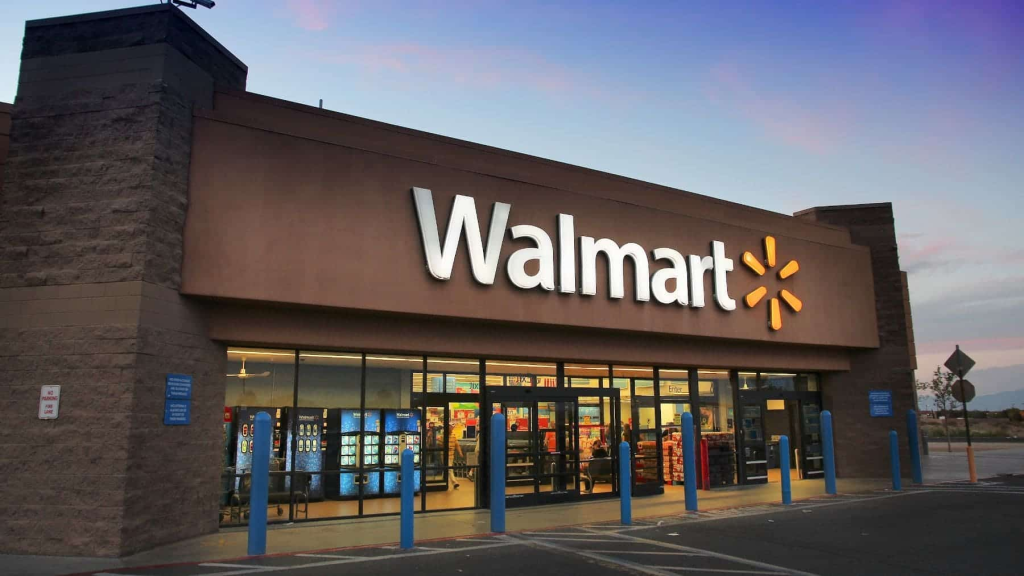
Walmart has long been associated with low prices and large physical stores, but in recent years, the company has undergone a significant transformation. No longer just a big-box retailer, Walmart is reshaping modern retail experiences by blending physical and digital shopping, investing heavily in technology, and redefining convenience at scale.
This article explores how Walmart is evolving, what strategies are driving its success, and how these changes are influencing the future of retail.
From Traditional Retailer to Omnichannel Leader
Modern retail is no longer divided between online and in-store shopping. Walmart recognized this shift early and committed to becoming a fully omnichannel retailer, where customers can shop seamlessly across platforms.
Today, shoppers can:
- Order online and pick up in store
- Shop through mobile apps
- Use same-day delivery services
- Combine in-store browsing with digital tools
This integration has turned Walmart’s physical footprint into a competitive advantage rather than a liability.
Leveraging Scale to Redefine Convenience
With thousands of stores across the US and globally, Walmart is uniquely positioned to offer convenience that purely digital retailers cannot match.
Its stores now function as:
- Retail locations
- Fulfillment centers
- Pickup hubs
- Local delivery bases
This network allows Walmart to deliver products faster and more cost-effectively while keeping prices competitive.
Digital Transformation and E-Commerce Growth
Walmart’s investment in e-commerce has accelerated rapidly. Improvements include:
- A redesigned mobile app
- Faster checkout experiences
- Expanded product assortments online
- Improved search and personalization
Walmart’s digital sales growth reflects a broader shift in consumer expectations for speed, simplicity, and accessibility.
Curbside Pickup and Same-Day Delivery
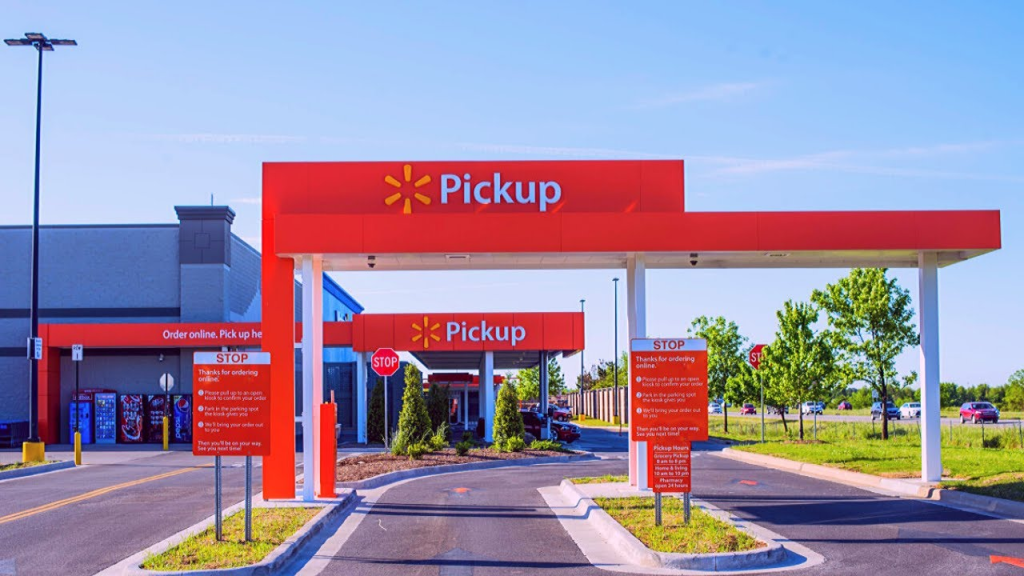
One of Walmart’s most impactful innovations is curbside pickup. Customers can place orders online and retrieve them without leaving their vehicles.
Benefits include:
- Time savings
- Reduced friction in shopping
- Flexibility for families and busy professionals
Same-day delivery further enhances this convenience, especially for groceries and household essentials.
Reinventing the In-Store Experience
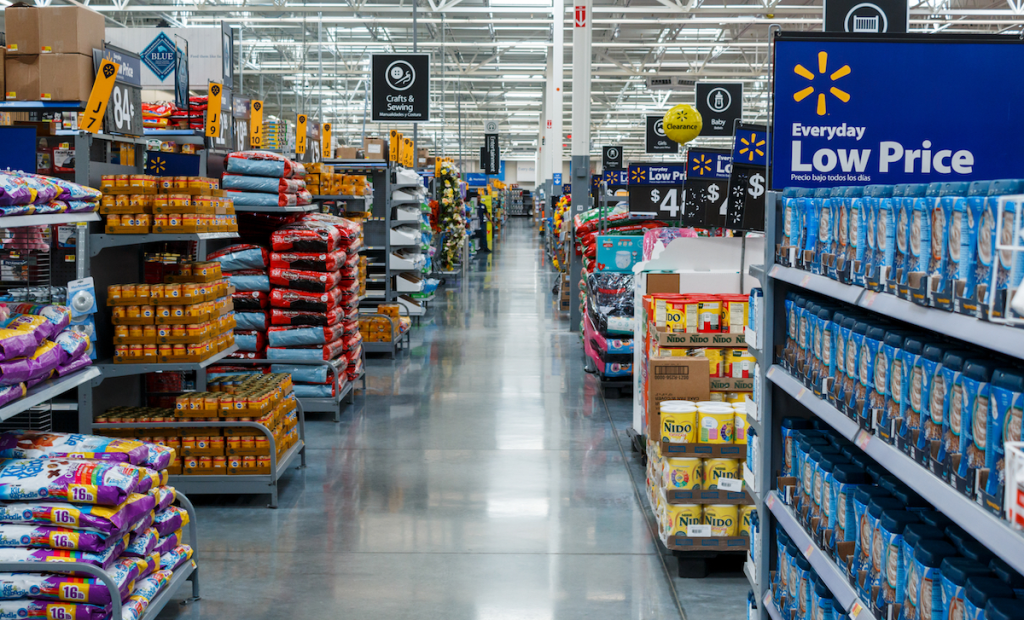
Walmart has invested heavily in improving physical stores to make them more intuitive and efficient.
Key improvements include:
- Cleaner layouts
- Wider aisles
- Better signage
- Enhanced lighting
Stores are designed to reduce shopping time while improving comfort and navigation.
Technology Enhancing Shopping Efficiency
Technology plays a central role in Walmart’s retail evolution. Examples include:
- Self-checkout kiosks
- Scan-and-go mobile shopping
- Automated inventory systems
- AI-driven demand forecasting
These tools improve accuracy, reduce wait times, and ensure shelves stay stocked.
Data-Driven Personalization
Walmart uses data analytics to better understand customer behavior and preferences. This allows for:
- Personalized product recommendations
- Relevant promotions
- Optimized pricing strategies
By leveraging data responsibly, Walmart enhances customer satisfaction without compromising value.
Expanding Private Labels and Exclusive Brands
Private label brands are an important part of Walmart’s strategy. By offering exclusive products across categories such as food, apparel, and home goods, Walmart provides:
- Competitive pricing
- Improved quality perception
- Brand differentiation
These brands allow Walmart to control quality and pricing while meeting evolving consumer tastes.
Sustainability and Responsible Retail Practices
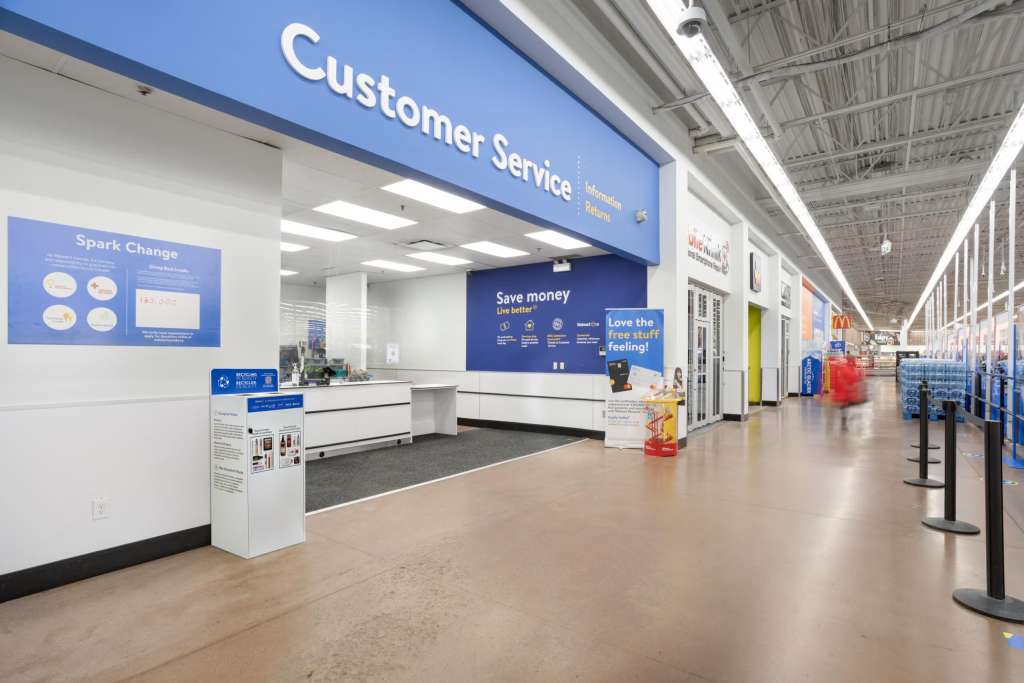
Modern consumers increasingly value sustainability. Walmart has responded by:
- Reducing packaging waste
- Improving supply chain efficiency
- Expanding eco-friendly product lines
- Investing in renewable energy
Sustainability initiatives enhance brand trust and align with long-term business goals.
Walmart+ and Membership-Based Value
Walmart+ represents a shift toward subscription-based retail experiences. The program offers benefits such as:
- Free delivery
- Fuel discounts
- Mobile scan-and-go features
Membership services strengthen customer loyalty and encourage repeat engagement.
Competing With Digital-First Retailers
Walmart’s strategy directly challenges digital-only competitors by combining:
- Physical proximity
- Digital convenience
- Competitive pricing
Unlike purely online retailers, Walmart can offer faster fulfillment through local stores, reducing shipping costs and delivery times.
Supporting Small Businesses and Marketplaces
Walmart’s online marketplace allows third-party sellers to reach millions of customers. This expands product variety while supporting small and medium-sized businesses.
Marketplace integration strengthens Walmart’s platform while maintaining quality control and pricing standards.
Enhancing Grocery Retail at Scale
Grocery shopping is a cornerstone of Walmart’s retail evolution. Innovations include:
- Online grocery ordering
- Fresh food delivery
- Temperature-controlled logistics
These changes make grocery shopping faster, more predictable, and more accessible.
Investing in Employee Experience

Modern retail experiences depend on engaged employees. Walmart has invested in:
- Workforce training programs
- Wage increases
- Career development pathways
- Technology tools for staff
Better employee experiences translate into improved customer service.
Financial Accessibility and Value Leadership
Despite innovation and modernization, Walmart remains focused on affordability. Pricing strategies and supply chain efficiencies help maintain value leadership even as services expand.
This balance of innovation and affordability is central to Walmart’s success.
Adapting to Changing Consumer Behavior
Consumer behavior continues to evolve, driven by technology, economic conditions, and lifestyle changes. Walmart adapts by:
- Expanding flexible shopping options
- Adjusting product assortments
- Enhancing digital engagement
Agility allows Walmart to remain relevant across demographics.
Global Influence on Retail Standards
Walmart’s innovations influence global retail standards. Best practices developed in one market are often adapted internationally, shaping how retail operates worldwide.
This global reach amplifies Walmart’s impact beyond local markets.
Challenges and Ongoing Transformation
Despite progress, Walmart faces challenges such as:
- Rising labor costs
- Supply chain disruptions
- Increased competition
- Technological complexity
Continuous adaptation is required to sustain momentum and growth.
The Future of Walmart and Modern Retail
Looking ahead, Walmart’s retail strategy will likely focus on:
- Greater automation
- Enhanced personalization
- Faster fulfillment
- Deeper integration of physical and digital experiences
These trends position Walmart as a key driver of modern retail evolution.
Final Thoughts
Walmart is reshaping modern retail experiences by combining its unmatched physical presence with advanced digital capabilities. Through omnichannel integration, technological innovation, and a continued focus on value, Walmart has redefined convenience for millions of shoppers.
As retail continues to evolve, Walmart’s ability to adapt, invest, and innovate ensures it remains a central force in shaping how people shop — both today and in the future.


