
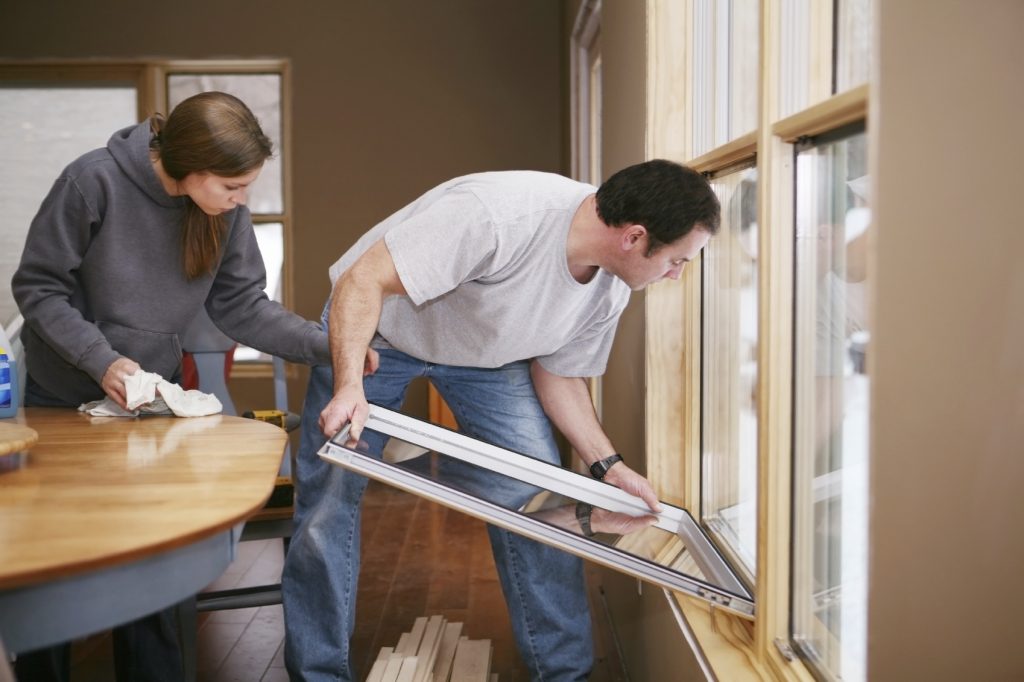
Energy efficiency has become a major concern for homeowners facing rising utility costs and changing climate conditions. While insulation, heating systems, and appliances often get the spotlight, windows play a surprisingly large role in how much energy a home uses. Older or poorly performing windows can allow heat to escape in winter, let excess heat in during summer, and force heating and cooling systems to work harder than necessary.
Window replacement is one of the most effective upgrades for improving a home’s energy performance. Modern window technology is designed to reduce heat transfer, limit air leakage, and maintain more consistent indoor temperatures throughout the year.
This article explains how window replacement improves energy efficiency, why outdated windows waste energy, and how newer designs help lower utility costs and improve comfort.

Why Windows Matter for Energy Use
Windows are a critical part of a home’s thermal envelope—the barrier that separates indoor living space from outdoor conditions. When windows are inefficient, they become weak points where energy is lost.
Common issues with older windows include:
- Single-pane glass with little insulation
- Gaps or deteriorated seals
- Poorly fitting frames
- Limited protection from solar heat
These problems allow unwanted heat transfer, making it harder to keep indoor temperatures stable.
How Older Windows Contribute to Energy Loss
Many homes still rely on windows installed decades ago, before modern efficiency standards were common. These older units were not designed to meet today’s energy demands.
Energy loss often occurs through:
- Heat escaping through thin glass in cold weather
- Solar heat entering during warm months
- Air leakage around frames and sashes
As a result, heating and cooling systems must run more frequently, increasing energy consumption and utility bills.
What Makes Modern Windows More Efficient
Replacement windows are engineered with energy efficiency as a primary goal. Advances in materials and construction have significantly improved performance.
Modern energy-efficient windows often include:
- Double or triple-pane glass
- Gas-filled spaces between panes
- Improved frame materials
- Advanced sealing systems
Together, these features reduce heat transfer and air infiltration.
Multi-Pane Glass and Insulation
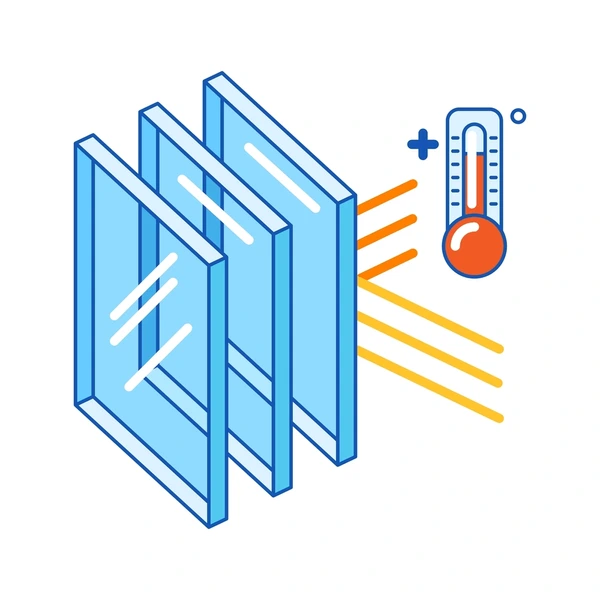
One of the biggest improvements in window technology is the use of multiple glass panes. The space between panes acts as an insulating barrier.
Benefits of multi-pane windows include:
- Reduced heat loss in winter
- Lower heat gain in summer
- Improved indoor temperature stability
The insulating gas between panes further enhances performance by slowing heat movement.
Low-Emissivity Coatings and Heat Control
Many replacement windows feature low-emissivity coatings, often called low-E coatings. These microscopic layers reflect heat while still allowing visible light to pass through.
Low-E coatings help:
- Keep indoor heat inside during colder months
- Reflect outdoor heat away during warmer months
- Reduce strain on heating and cooling systems
This technology improves comfort without sacrificing natural light.
Improved Window Frames and Materials
Energy efficiency isn’t just about glass. Window frames also play a significant role in performance.
Modern frame materials are designed to reduce heat transfer and resist air leakage. Common improvements include:
- Insulated vinyl frames
- Thermally broken aluminum designs
- Composite or fiberglass materials
These frames maintain tight seals and resist warping over time.
Reducing Air Leaks and Drafts
Air leakage is a major source of energy waste. Even small gaps around windows can allow significant amounts of conditioned air to escape.
Replacement windows are custom-fitted and sealed to minimize gaps. This reduces:
- Drafts near windows
- Uneven indoor temperatures
- Loss of heated or cooled air
A tighter seal leads to better overall energy performance.
Impact on Heating and Cooling Systems
When windows are more efficient, heating and cooling systems don’t need to work as hard to maintain comfortable temperatures.
This can result in:
- Shorter system run times
- Reduced energy consumption
- Less wear on HVAC equipment
Over time, improved efficiency can extend the lifespan of heating and cooling systems.
Seasonal Comfort Improvements
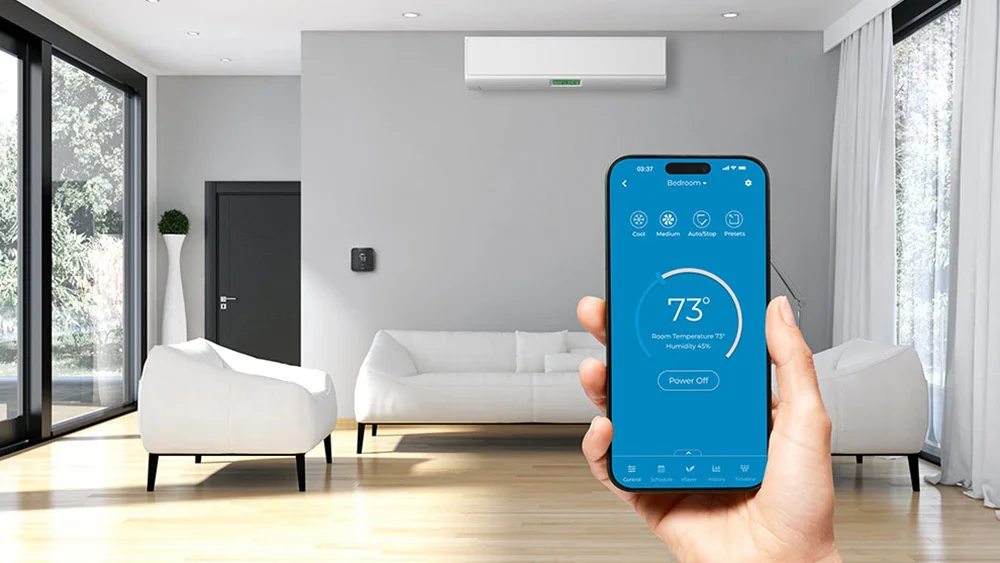
Window replacement improves comfort in all seasons. In winter, efficient windows help retain indoor heat. In summer, they limit heat gain from sunlight.
Homeowners often notice:
- Fewer cold spots near windows
- Reduced overheating in sun-exposed rooms
- More consistent temperatures throughout the home
This improved comfort is one of the most immediate benefits of new windows.
Noise Reduction as a Secondary Benefit
While the primary goal may be energy efficiency, replacement windows often improve sound insulation as well.
Multi-pane glass and tight seals help reduce:
- Outdoor noise
- Traffic sounds
- Neighborhood disturbances
This added benefit enhances overall living comfort.
Long-Term Cost Savings
Although window replacement involves upfront investment, improved energy efficiency can lead to long-term savings.
Lower energy use may result in:
- Reduced monthly utility bills
- Less frequent HVAC repairs
- Improved resale appeal
Over time, these savings help offset installation costs.
Environmental Benefits of Energy-Efficient Windows
Reducing energy consumption also lowers a home’s environmental impact. Efficient windows help decrease the demand for heating and cooling, which can reduce overall energy production needs.
Environmental benefits include:
- Lower greenhouse gas emissions
- Reduced reliance on fossil fuels
- More sustainable household energy use
Window replacement supports both personal savings and broader environmental goals.

Choosing the Right Replacement Windows
Not all replacement windows offer the same level of efficiency. Performance depends on design, materials, and installation quality.
When evaluating options, homeowners often consider:
- Climate-specific performance features
- Glass type and coatings
- Frame materials
- Proper professional installation
Selecting the right combination ensures maximum efficiency gains.
Importance of Professional Installation
Even the most advanced window will underperform if installed incorrectly. Proper installation ensures tight seals, correct alignment, and optimal insulation.
Professional installation helps:
- Prevent air and water leaks
- Maintain manufacturer performance standards
- Ensure long-term durability
Installation quality is as important as window design.
How Window Replacement Fits Into Home Efficiency Upgrades
Window replacement works best as part of a broader energy efficiency strategy. When combined with insulation improvements and efficient HVAC systems, the benefits multiply.
Together, these upgrades:
- Reduce total energy demand
- Improve comfort across the home
- Enhance long-term efficiency
Windows play a central role in this integrated approach.
Common Misconceptions About Window Replacement
Some homeowners assume window replacement is purely cosmetic or offers limited efficiency gains. In reality, windows significantly influence energy performance.
Other misconceptions include:
- New windows eliminate all drafts instantly
- All replacement windows perform the same
- Installation doesn’t affect efficiency
Understanding these factors helps set realistic expectations.
Final Thoughts: Why Window Replacement Improves Energy Efficiency
Window replacement improves energy efficiency by reducing heat transfer, minimizing air leaks, and stabilizing indoor temperatures. Modern window designs use advanced glass, coatings, and frame materials to address the energy losses common in older windows.
For homeowners looking to lower utility costs, improve comfort, and reduce environmental impact, replacing outdated windows can be a highly effective upgrade. By understanding how window replacement improves energy efficiency, homeowners can make informed decisions that benefit both their living space and long-term energy use.


