
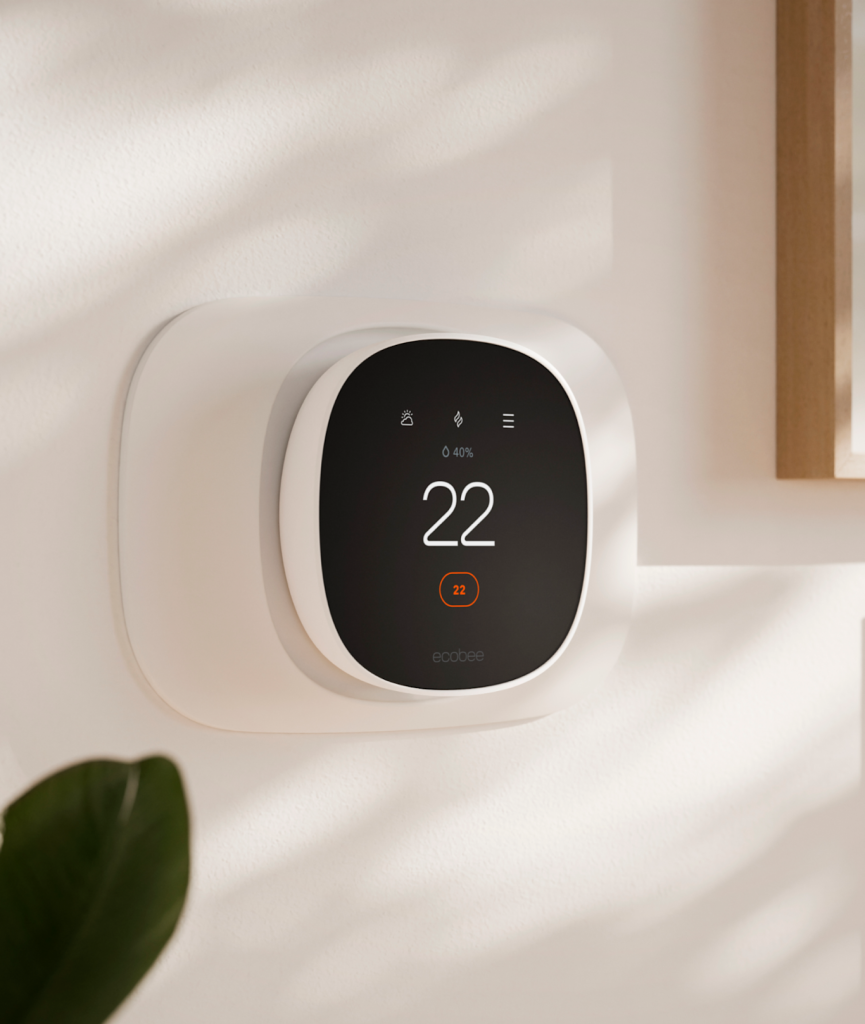
Rising utility costs have become a growing concern for homeowners across the country. Heating, cooling, electricity, and water expenses now make up a significant portion of monthly household budgets. While many people assume high bills are unavoidable, energy-efficient upgrades offer a practical way to reduce costs while improving comfort and home value.
Energy efficiency is not just about using less power. It is about using energy more effectively so less is wasted. From insulation and windows to modern appliances and smart systems, targeted upgrades can lead to noticeable savings month after month.
This guide explains how energy-efficient upgrades lower utility bills, which improvements deliver the biggest impact, and why these upgrades are becoming increasingly important for homeowners.
Why Utility Bills Are Often Higher Than Necessary
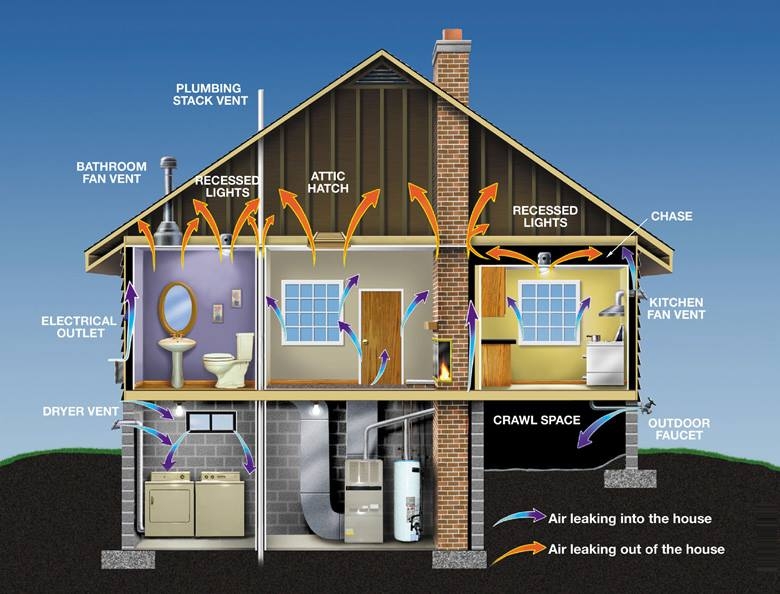
Many homes lose energy in ways homeowners never see. Gaps, outdated systems, and inefficient appliances quietly waste power every day.
Common causes of high utility bills include:
- Poor insulation
- Air leaks around doors and windows
- Aging heating and cooling systems
- Inefficient lighting
- Old appliances using excessive energy
Even small inefficiencies can add up to hundreds or thousands of dollars in extra costs over time.
What Energy Efficient Upgrades Actually Do
Energy-efficient upgrades reduce utility bills by limiting energy waste and improving system performance. Instead of working harder to maintain comfort, upgraded systems work smarter.
These improvements:
- Reduce heat loss in winter
- Limit heat gain in summer
- Lower electricity consumption
- Improve temperature consistency
- Reduce system run time
The result is a home that costs less to operate without sacrificing comfort.
Insulation Upgrades And Energy Savings
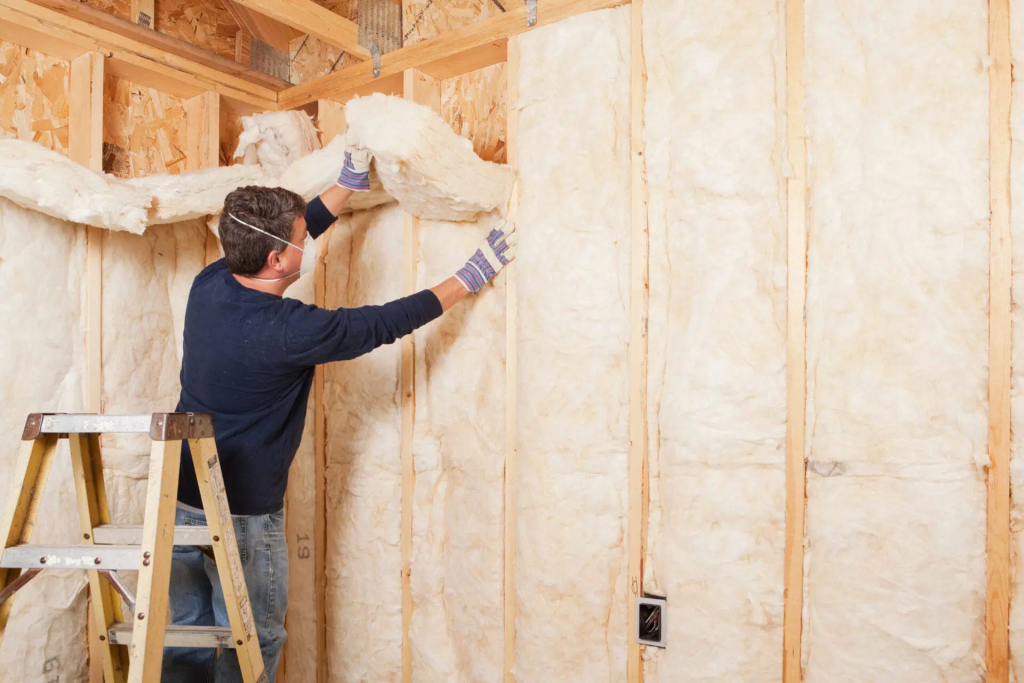
Insulation is one of the most impactful energy-efficient upgrades a homeowner can make.
Proper insulation helps:
- Keep warm air inside during winter
- Block heat from entering during summer
- Reduce strain on heating and cooling systems
Attics, walls, crawl spaces, and basements are common areas where insulation upgrades deliver immediate benefits.
Homes with improved insulation often see noticeable reductions in heating and cooling bills within the first season.
Sealing Air Leaks To Stop Energy Loss
Air leaks allow conditioned air to escape and unconditioned air to enter, forcing HVAC systems to work harder.
Sealing leaks around:
- Windows
- Doors
- Electrical outlets
- Ductwork
- Attic access points
can significantly reduce wasted energy.
This upgrade is relatively low-cost but can produce high returns by improving overall efficiency and indoor comfort.
Energy Efficient Windows And Doors
Older windows and doors are a major source of heat loss and drafts. Energy-efficient replacements are designed to reduce heat transfer and improve insulation.
Benefits include:
- Lower heating and cooling costs
- Reduced drafts
- Improved indoor comfort
- Less condensation
While replacement costs can be higher, long-term energy savings and increased home value often justify the investment.
Heating And Cooling System Improvements
Heating and cooling systems account for a large portion of household energy use. Upgrading or optimizing these systems can lead to substantial savings.
Energy-efficient HVAC upgrades may include:
- High-efficiency furnaces or heat pumps
- Modern air conditioners
- Improved duct sealing
- Zoned temperature controls
- Smart thermostats
Newer systems are designed to use less energy while maintaining consistent temperatures throughout the home.
Smart Thermostats And Energy Control
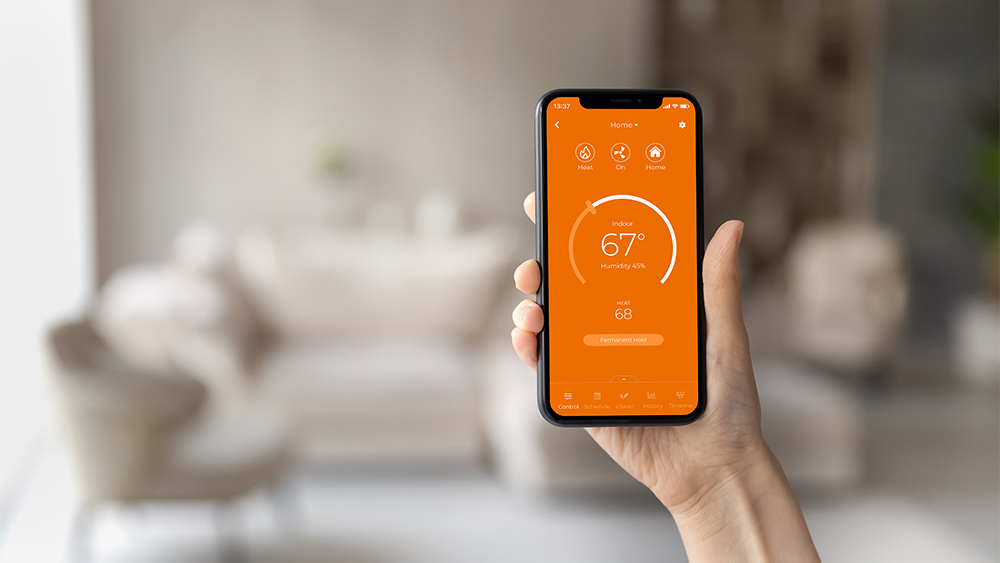
Smart thermostats help homeowners manage energy use more effectively.
They can:
- Adjust temperatures automatically
- Learn household routines
- Reduce heating and cooling when no one is home
- Provide usage insights
By preventing unnecessary system operation, smart thermostats help lower monthly bills without manual effort.
Energy Efficient Appliances And Daily Savings
Appliances run every day, making their efficiency important for long-term savings.
Energy-efficient appliances use less power while delivering the same performance. Common upgrades include:
- Refrigerators
- Washing machines
- Dryers
- Dishwashers
- Water heaters
Over time, the reduced energy consumption adds up to lower utility bills and less wear on home systems.
Lighting Upgrades That Reduce Electricity Use
Lighting is one of the simplest areas to improve energy efficiency.
Energy-efficient lighting options:
- Use significantly less electricity
- Last much longer than traditional bulbs
- Produce less heat
Replacing outdated lighting throughout a home can lead to immediate electricity savings and reduced maintenance costs.
Water Heating Efficiency And Utility Bills
Water heating is another major contributor to energy costs.
Energy-efficient upgrades may include:
- High-efficiency water heaters
- Heat pump water heaters
- Improved insulation for hot water pipes
- Low-flow fixtures
Reducing the energy needed to heat water can lower both electricity and gas bills.
Long Term Financial Benefits Of Energy Efficiency
Energy-efficient upgrades provide savings that extend far beyond monthly utility bills.
Additional benefits include:
- Lower maintenance costs
- Longer system lifespan
- Increased home value
- Improved comfort
- Reduced environmental impact
Many homeowners find that energy upgrades pay for themselves over time through consistent savings.
Assistance Programs And Incentives
In many areas, homeowners may qualify for:
- Energy efficiency rebates
- Utility company incentives
- Tax credits
- Financing programs
- Home energy audits
These programs help reduce upfront costs and make upgrades more accessible.
Common Misconceptions About Energy Efficient Upgrades
Some homeowners hesitate due to misunderstandings.
Common myths include:
- Upgrades are too expensive
- Savings are minimal
- Changes are inconvenient
- Benefits take years to appear
In reality, many upgrades provide noticeable savings quickly, especially when combined.
Choosing The Right Upgrades For Your Home
Not every home needs the same improvements. The most effective upgrades depend on:
- Home age
- Climate
- Existing systems
- Utility costs
- Budget
A home energy assessment can help identify where energy loss is occurring and which upgrades will deliver the greatest return.
Final Thoughts
Energy-efficient upgrades lower utility bills by reducing waste, improving system performance, and making homes more comfortable year-round. From insulation and air sealing to modern appliances and smart controls, these improvements provide lasting financial and practical benefits.
Understanding how energy-efficient upgrades lower utility bills empowers homeowners to make informed decisions that protect their budgets and improve long-term home performance. With the right approach, energy efficiency becomes an investment that pays off every month.


