

Why Consistency Matters More Than Intensity
Many people join a gym motivated by dramatic goals — rapid weight loss, visible muscle, or instant energy. Yet the true transformation rarely comes from short bursts of extreme effort. It comes from consistency.
A consistent gym routine doesn’t just change your body. Over time, it reshapes habits, mindset, confidence, health, and daily structure. The cumulative effect of showing up regularly is far more powerful than occasional intense workouts followed by long breaks.
This article explores how consistent gym routines can transform your life physically, mentally, and emotionally — and why steady commitment matters more than perfection.
What “Consistent” Really Means
Consistency doesn’t mean training every day without rest. It means creating a routine that is realistic, repeatable, and sustainable.
A consistent gym routine typically involves:
- Regular training days each week
- Balanced workouts suited to your level
- Rest and recovery built into the plan
- Long-term commitment rather than short-term motivation
Consistency is about reliability — not intensity.
Physical Transformation Happens Gradually
One of the most visible benefits of consistent gym routines is physical change, but it happens in stages.
Over time, regular training leads to:
- Increased muscle strength
- Improved endurance
- Better posture
- Gradual fat loss
- Enhanced mobility
These changes may feel subtle week to week, but over months they compound into noticeable transformation.
The body adapts to repeated stimulus. Consistency allows that adaptation to occur safely and effectively.

Metabolism and Energy Levels Improve
Regular exercise plays a major role in metabolic health.
Consistent gym routines help:
- Improve insulin sensitivity
- Increase resting metabolic rate
- Stabilize blood sugar levels
- Enhance energy production
Rather than feeling drained, many people experience increased daily energy once exercise becomes a habit. Movement trains the body to use energy more efficiently.
This often leads to:
- Less afternoon fatigue
- Better focus
- More productive days
Mental Health Benefits Build Over Time
Exercise is one of the most powerful tools for mental well-being — but only when practiced consistently.
Regular gym routines support mental health by:
- Reducing stress hormones
- Increasing endorphins
- Improving sleep quality
- Providing emotional release
Over time, consistent training can help manage anxiety, improve mood stability, and reduce symptoms of depression.
The gym becomes more than a physical space — it becomes a mental reset.
Discipline Extends Beyond the Gym
Consistency in the gym often spills into other areas of life.
When people commit to regular workouts, they frequently develop:
- Better time management
- Stronger self-discipline
- Improved focus
- Healthier daily routines
Showing up consistently builds trust with yourself. That self-trust reinforces confidence and follow-through in work, relationships, and personal goals.
Improved Confidence Through Capability
Confidence doesn’t come only from appearance — it comes from capability.
As gym routines become consistent, people notice:
- Lifting heavier weights
- Completing workouts more easily
- Recovering faster
- Moving with more control
These physical improvements translate into psychological confidence. Knowing your body is capable creates a sense of empowerment that carries into everyday life.

Sleep Quality and Recovery Improve
Sleep and exercise are closely connected.
Consistent gym routines can:
- Improve sleep depth
- Reduce nighttime restlessness
- Regulate circadian rhythms
- Support faster recovery
Better sleep leads to improved hormone regulation, mood, and immune function. Over time, this creates a positive cycle where better sleep supports better workouts — and vice versa.
Consistency Reduces Injury Risk
Many injuries occur not from training itself, but from inconsistency.
When workouts are sporadic:
- Muscles are unprepared
- Joints lack stability
- Recovery patterns are disrupted
Consistent routines allow the body to adapt gradually, strengthening connective tissues and improving movement patterns. This reduces the risk of injury and supports long-term training.
Building Identity Through Routine
Consistency reshapes identity.
Rather than seeing exercise as something you occasionally do, it becomes part of who you are. People begin to think:
- “I’m someone who trains regularly”
- “I take care of my body”
- “I follow through on commitments”
This identity shift reinforces consistency itself. The routine becomes self-sustaining.
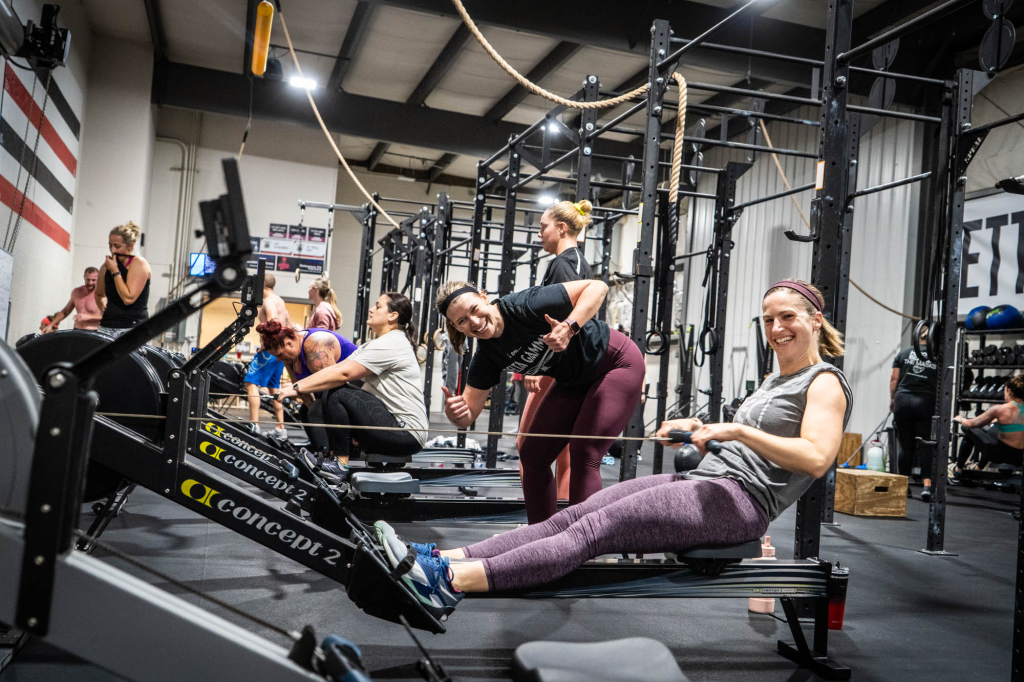
Social Benefits of Regular Gym Attendance
Gyms are social environments, even for those who train independently.
Consistent attendance often leads to:
- Familiar faces
- Supportive communities
- Shared accountability
- Motivation through connection
For many, the gym becomes a place of belonging. That social element further strengthens commitment and enjoyment.
Nutrition and Lifestyle Choices Improve Naturally
When people commit to regular gym routines, other habits often improve automatically.
Consistency encourages:
- More mindful eating
- Increased protein intake
- Better hydration
- Reduced reliance on processed foods
These changes aren’t forced — they feel logical. People want their effort in the gym to count, so lifestyle choices begin to align naturally with fitness goals.
Long-Term Health Benefits Add Up
The health impact of consistent exercise compounds over years.
Long-term benefits include:
- Improved cardiovascular health
- Stronger bones and joints
- Better blood pressure regulation
- Reduced risk of chronic disease
Consistency turns exercise into preventive medicine — supporting longevity and quality of life.
Overcoming Motivation Fluctuations
Motivation is unreliable. Consistency is built on routine, not emotion.
People who succeed long-term:
- Train even when motivation is low
- Rely on schedules instead of feelings
- Focus on showing up, not perfection
Once consistency is established, motivation becomes a byproduct — not a requirement.
Why Small Efforts Matter More Than Big Plans
Many people fail because they aim too high too fast.
Consistent gym routines thrive on:
- Simple programs
- Manageable sessions
- Realistic frequency
Small efforts done repeatedly outperform ambitious plans that are abandoned quickly. Sustainability is the key to transformation.

The Psychological Shift From Results to Process
Early gym goals often focus on outcomes: weight loss, muscle gain, appearance. Over time, consistency shifts focus toward the process itself.
People begin to value:
- The routine
- The feeling after workouts
- The sense of progress
- The discipline itself
This shift reduces frustration and increases satisfaction. The gym becomes part of life — not a temporary project.
Real-Life Transformation Is Gradual but Lasting
The most meaningful changes don’t happen in weeks.
They happen over months and years of consistency:
- Health improves quietly
- Confidence builds steadily
- Habits solidify
- Life structure strengthens
Consistent gym routines don’t just transform bodies — they transform how people live.
Common Misconceptions About Gym Consistency
Myth: You need perfect workouts
Reality: Showing up consistently matters more than perfect execution.
Myth: Missing a week ruins progress
Reality: Long-term consistency matters more than short breaks.
Myth: Results should be fast
Reality: Sustainable change is gradual.
Understanding these truths helps maintain perspective.
How to Build a Consistent Gym Routine
Successful routines share common traits:
- Fixed training days
- Simple programs
- Clear priorities
- Flexibility for life events
Consistency thrives when routines fit real life rather than ideal scenarios.
Final Thoughts
Consistent gym routines can transform your life by reshaping not just your body, but your mindset, habits, and confidence. The power of consistency lies in repetition, patience, and self-trust.
You don’t need extreme workouts or perfect plans. You need reliable effort over time.
When exercise becomes a habit instead of a goal, transformation becomes inevitable.


