
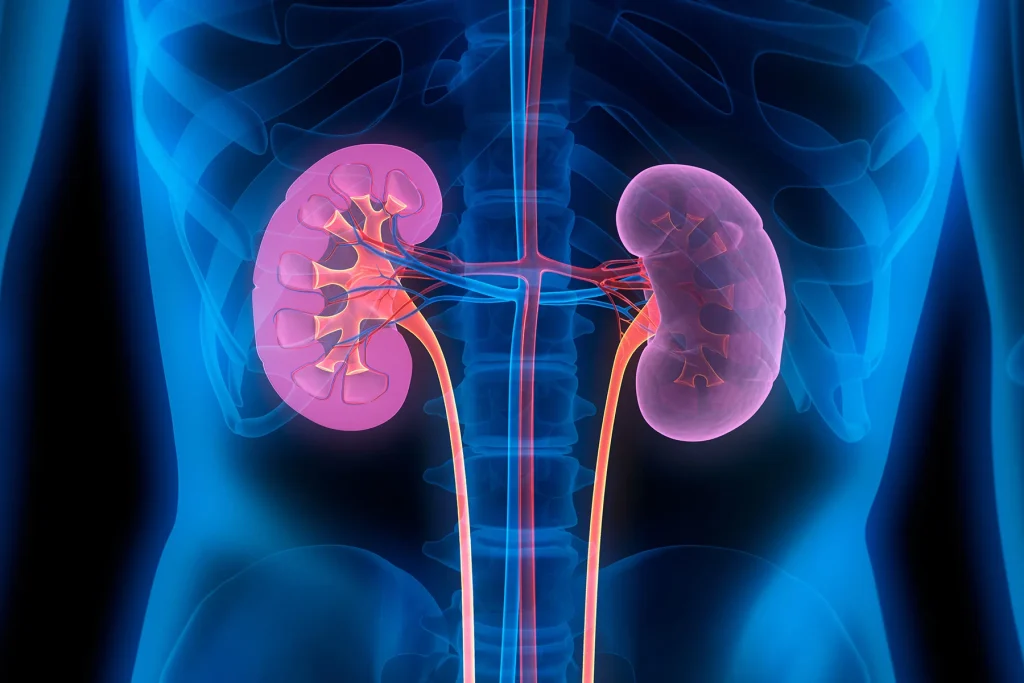
Kidney disease often develops quietly, progressing over time without obvious warning signs. Many people don’t realize there is a problem until kidney function is significantly reduced. Because the kidneys perform essential roles—filtering waste, balancing fluids, and regulating blood pressure—early detection is critical for protecting long-term health.
Understanding the early signs of kidney disease can help individuals recognize potential concerns sooner and seek medical evaluation before serious damage occurs. While symptoms can vary, subtle changes in the body may signal that the kidneys are under stress.
This article explains early signs of kidney disease, why they are easy to overlook, and why early awareness matters.
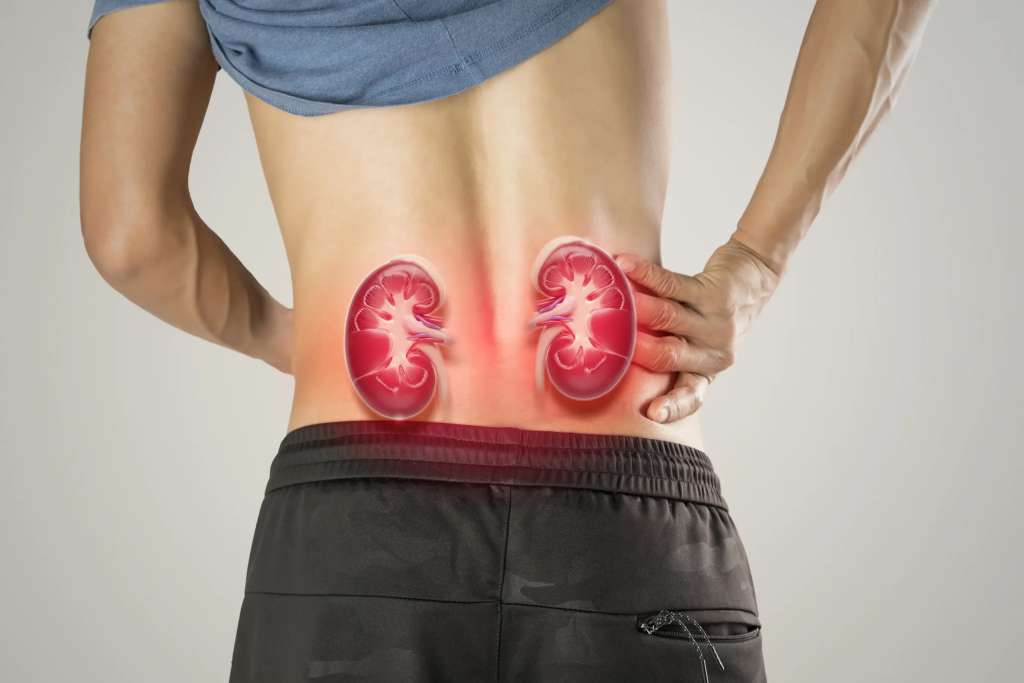
Why Kidney Disease Often Goes Unnoticed
The kidneys are highly efficient organs. Even when partially damaged, they can continue functioning well enough to mask problems. As a result, early kidney disease often causes mild or nonspecific symptoms.
Factors that contribute to delayed detection include:
- Gradual loss of kidney function
- Symptoms that resemble common conditions
- Lack of pain in early stages
This makes awareness of subtle signs especially important.
Changes in Urination Patterns
One of the earliest signs of kidney disease can involve changes in urination. Because the kidneys regulate urine production, early dysfunction may alter how often or how much a person urinates.
Possible changes include:
- Increased frequency, especially at night
- Decreased urine output
- Foamy or bubbly urine
- Urine that appears darker or cloudy
These changes may be intermittent at first, making them easy to dismiss.
Swelling in the Hands, Feet, or Face
When the kidneys are not functioning properly, excess fluid and sodium can build up in the body. This may lead to swelling, also known as edema.
Common areas affected include:
- Ankles and feet
- Hands
- Around the eyes, especially in the morning
Swelling may worsen as the day progresses or after prolonged sitting or standing.
Persistent Fatigue and Low Energy
Healthy kidneys help produce hormones that support red blood cell production. When kidney function declines, anemia may develop, leading to fatigue.
Early fatigue related to kidney disease may feel like:
- Ongoing tiredness despite rest
- Reduced stamina
- Difficulty concentrating
Because fatigue has many possible causes, it is often overlooked as a kidney-related symptom.

Changes in Appetite and Digestion
Early kidney disease can affect appetite and digestion as waste products begin to accumulate in the bloodstream.
Subtle digestive changes may include:
- Reduced appetite
- Nausea or upset stomach
- Metallic or unusual taste in the mouth
These symptoms may come and go, making them easy to ignore.
Dry or Itchy Skin
The kidneys play a role in maintaining mineral balance and removing toxins. When they struggle, skin changes can occur.
Early signs may include:
- Persistent dryness
- Itching without an obvious cause
- Skin irritation that doesn’t improve with moisturizers
These symptoms can appear before more serious kidney issues are identified.
Muscle Cramps and Imbalances
Kidney disease can affect electrolyte levels, such as calcium and potassium, which are essential for muscle function.
Early muscle-related symptoms may include:
- Frequent cramps
- Muscle twitching
- Weakness during activity
These imbalances may worsen as kidney function declines.
Trouble Sleeping
Toxin buildup in the bloodstream can affect sleep quality. Some people with early kidney disease report changes in sleep patterns.
Sleep-related signs may include:
- Difficulty falling or staying asleep
- Restless sleep
- Feeling unrefreshed in the morning
Poor sleep can further contribute to fatigue and reduced well-being.

Blood Pressure Changes
The kidneys help regulate blood pressure by balancing fluids and hormones. Early kidney dysfunction can contribute to rising blood pressure.
Potential signs include:
- Newly elevated blood pressure
- Difficulty controlling existing hypertension
High blood pressure can both cause and worsen kidney disease, creating a cycle that accelerates damage.
Difficulty Concentrating or Mental Fog
As waste products accumulate in the blood, cognitive changes may occur. While subtle at first, these changes can affect daily life.
Possible effects include:
- Trouble focusing
- Slower thinking
- Memory lapses
These symptoms may be mistaken for stress or aging.
Increased Sensitivity to Cold
Anemia related to reduced kidney function can make individuals feel cold more easily, even in warm environments.
This may present as:
- Constant chills
- Cold hands and feet
While not specific to kidney disease, it can be an early indicator when combined with other symptoms.
Who Is at Higher Risk for Kidney Disease
Certain individuals are more likely to develop kidney disease and should be especially alert to early signs.
Higher-risk groups include:
- People with diabetes
- Individuals with high blood pressure
- Those with a family history of kidney disease
- Older adults
Regular health monitoring is particularly important for these groups.

Why Early Detection Matters
Kidney disease often progresses over time, and damage may be irreversible in later stages. Detecting problems early allows for interventions that may slow progression and protect remaining kidney function.
Early detection can:
- Improve treatment outcomes
- Reduce complications
- Delay or prevent advanced kidney disease
Simple tests, such as blood and urine analysis, can provide valuable insight into kidney health.
When to Seek Medical Evaluation
Because early symptoms are subtle, it’s important to consult a healthcare provider if multiple signs are present or if symptoms persist.
Medical evaluation is especially important if:
- Urination changes continue
- Swelling becomes noticeable
- Fatigue interferes with daily life
Professional assessment helps determine whether symptoms are kidney-related or due to another condition.
Common Misconceptions About Kidney Disease Symptoms
Many people believe kidney disease always causes pain. In reality, pain often appears only in later stages or with specific complications.
Other misconceptions include:
- Symptoms appear suddenly
- Only older adults are affected
- Kidney disease is always obvious
Understanding these myths highlights the importance of awareness.
Lifestyle Factors and Kidney Health
Healthy lifestyle choices can support kidney function and reduce risk.
Helpful habits include:
- Staying hydrated
- Managing blood pressure and blood sugar
- Maintaining a balanced diet
- Avoiding excessive use of certain medications
Lifestyle changes are most effective when started early.
Final Thoughts: Recognizing Early Signs of Kidney Disease
Early signs of kidney disease are often subtle and easy to overlook, but they play a critical role in protecting long-term health. Changes in urination, swelling, fatigue, skin issues, and sleep disturbances may signal early kidney stress.
Understanding these early warning signs empowers individuals to seek medical guidance sooner rather than later. With early detection and appropriate care, it is possible to slow disease progression and support kidney health for years to come.


