
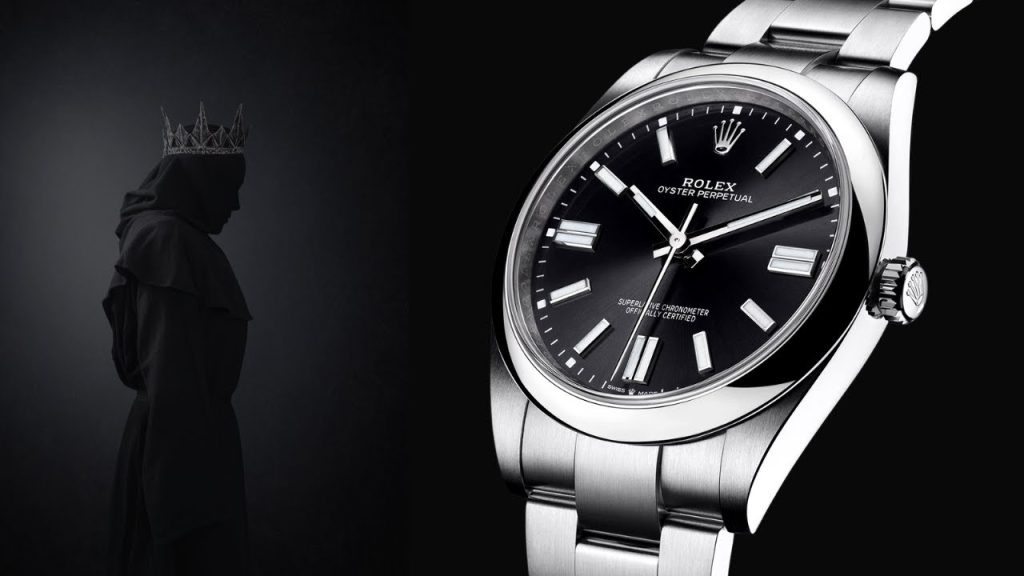
In recent years, something remarkable has happened in the world of horology: used luxury watches have surged in popularity like never before. What was once a niche hobby among a handful of die-hard collectors has blossomed into a global market worth billions — attracting investors, fashion enthusiasts, aficionados, and everyday buyers alike.
But why are used luxury watches becoming so sought after? Why now? And what does this trend say about how we think about value, style, and ownership in 2026?
In this article, we’ll explore the cultural, financial, and emotional forces driving this shift — from investment potential and sustainability to nostalgia and digital commerce.
A New Era for Classic Timepieces
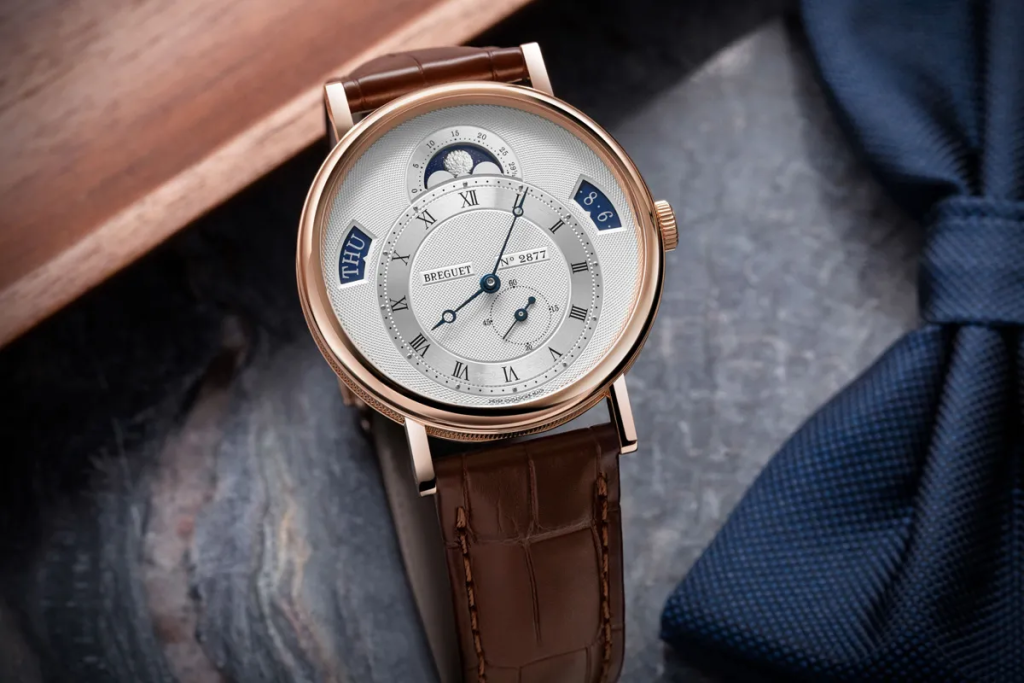
For decades, luxury watches were often considered luxury items you buy and keep forever. But the market has evolved. Today, pre-owned Rolexes, Pateks, Audemars Piguet Royal Oaks, and Omega Speedmasters are far more accessible, transparent, and mainstream — thanks to online marketplaces, authentication technology, and an increasingly savvy buyer base.
Used doesn’t mean inferior — in many cases, it means strategic, smart buying.
The Investment Factor: Watches as Assets
One of the biggest drivers of demand for used luxury watches is their investment appeal.
Unlike many consumer goods that depreciate, certain luxury watches have historically appreciated in value over time. Rare models, limited editions, and pieces with strong provenance can command significant premiums in the resale market — sometimes selling for far more than their original retail price.
This has turned pre-owned watches into:
- Alternative investments
- Collectible assets
- Hedging tools against inflation
In a world where traditional financial markets feel volatile, tangible luxury assets like watches are increasingly attractive.
Case Study: Rolex Demand
Rolex, arguably the most iconic luxury watch brand, exemplifies this trend. Models like the Submariner, Daytona, and GMT-Master II routinely fetch higher prices on the pre-owned market than they did new — especially for stainless steel variants. This has created a cycle where enthusiasts buy used first to avoid waiting lists and potentially capitalize on appreciation.
Sustainability and Circular Luxury
Another reason used luxury watches are gaining popularity is sustainability.
Today’s consumers — especially Millennials and Gen Z — are more conscious about the environmental and ethical footprint of their purchases. Buying pre-owned luxury items reduces waste and extends the life cycle of high-quality products.
In this sense, used watches aren’t just economical — they’re eco-friendly.
As consumers seek more responsible spending habits, the luxury watch sector’s second-hand market fits perfectly into the modern narrative of circular luxury.
Access and Affordability
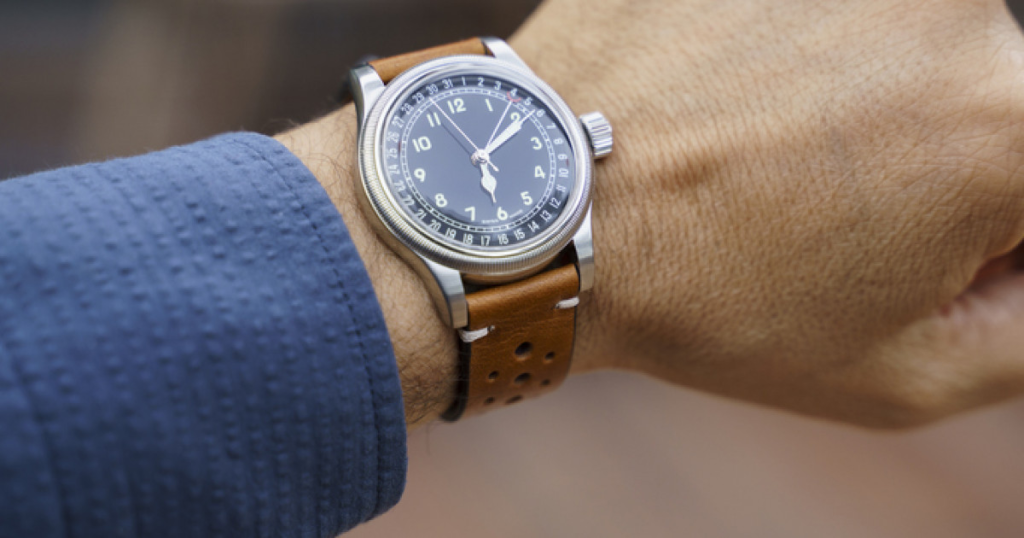
Let’s face it: not everyone can walk into a boutique and buy a brand-new Patek Philippe. Limited production, long waitlists, and high retail prices make new luxury watches inaccessible to many buyers.
Used luxury watches change that.
Pre-owned markets allow buyers to:
- Access discontinued or rare models
- Find watches at lower price points
- Avoid boutique waiting lists
- Compare hundreds of options online
For many buyers, the used market is where the real selection and value lives.
Digital Marketplaces and Trusted Platforms
The rise of digital marketplaces has revolutionized how people buy and sell used luxury watches. Platforms like Chrono24, WatchBox, Bob’s Watches, and others offer:
- Detailed condition reports
- Authentication guarantees
- Buyer protection programs
- Price transparency
This technology has reduced fraud risk and increased buyer confidence — making used luxury watches feel safe, accessible, and mainstream.
Cultural Appeal and Nostalgia
Watches aren’t just tools — they’re symbols. For many buyers, luxury timepieces carry historical, emotional, and cultural significance.
Owning a watch worn by past generations — or a model that marked an era — taps into nostalgia and storytelling in a way few accessories can match.
Vintage Rolexes, early Omega Speedmasters, and historical Pateks aren’t just items — they’re pieces of cultural heritage.
Style Reinvented: Retro Is In
Fashion trends constantly loop, and right now, retro aesthetics are in. Classic designs from the 1950s to the 1990s are hitting peak desirability. This has made:
- Vintage watch designs stylish again
- Old watch models sought after for their original character
- Collectors chase grail pieces with authentic aging
Whether it’s a patina on the dial or the way an acrylic crystal refracts light, many buyers now prefer character over perfection.
Social Proof and Collector Culture
Social media, watch forums, and YouTube channels have also amplified interest in pre-owned watches. Influencers and experts build excitement around:
- Rare discoveries
- Auction results
- Collection showcases
- History and craftsmanship
This community buzz fuels a cycle where enthusiasts — from beginners to seasoned collectors — become emotionally invested in the hunt itself.
The Psychology of Ownership
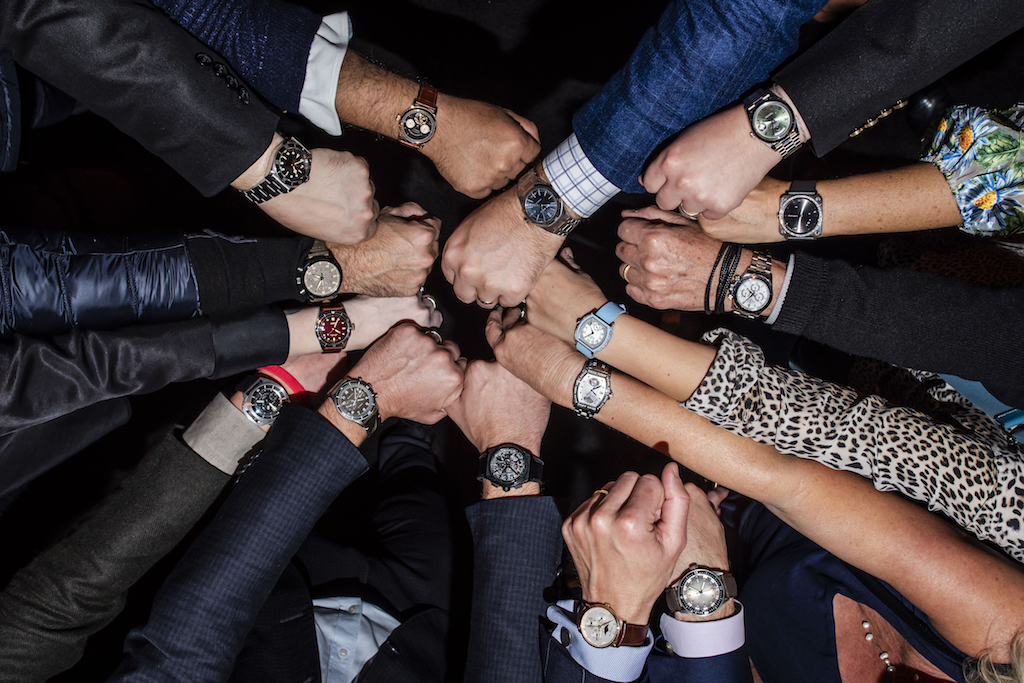
Luxury watches embody more than timekeeping — they represent legacy, achievement, taste, and identity. For many buyers, used watches have stories attached that new watches lack. Signs of wear, unique serial numbers, and original parts become part of the narrative.
When a buyer selects a used watch, they’re not just buying mechanics — they’re joining a lineage of owners and history.
Quality That Lasts a Lifetime
Luxury watches are built to last. Brands like Rolex, Omega, Patek Philippe, and Audemars Piguet craft timepieces with meticulous engineering and materials meant to endure generations.
This means:
- Used watches can still perform flawlessly
- With maintenance, they can last for decades
- Value often holds or increases
In a world of disposables, this longevity adds tangible appeal.
Investment Stories That Inspire
Many watch buyers see their collections as long-term portfolios. Stories circulate of watches that:
- Double in value after a decade
- Attract bidding wars at auctions
- Yield profits on resale without depreciation
While not guaranteed, these narratives attract buyers seeking passion investments — blending style with strategy.
Risk Factors and What Buyers Should Know
While used luxury watches offer many advantages, buyers must still navigate some potential risks:
Authenticity Concerns
- Counterfeit watches are common
- Documentation and provenance matter
Condition Variability
- Hidden wear can affect value
- Servicing history impacts performance
Market Fluctuations
- Not every model appreciates
- Trends shift over time
The smart buyer mitigates risk through trusted sellers, third-party verification, and education.
How to Choose a Used Luxury Watch (Beginner Tips)
Here’s a quick guide to smart, confident buying:
- Learn the market value
- Verify authenticity with papers/serials
- Check condition and service history
- Buy from reputable platforms or dealers
- Understand resale potential
- Know your own style first — invest second
These steps help buyers avoid common pitfalls and make informed decisions.
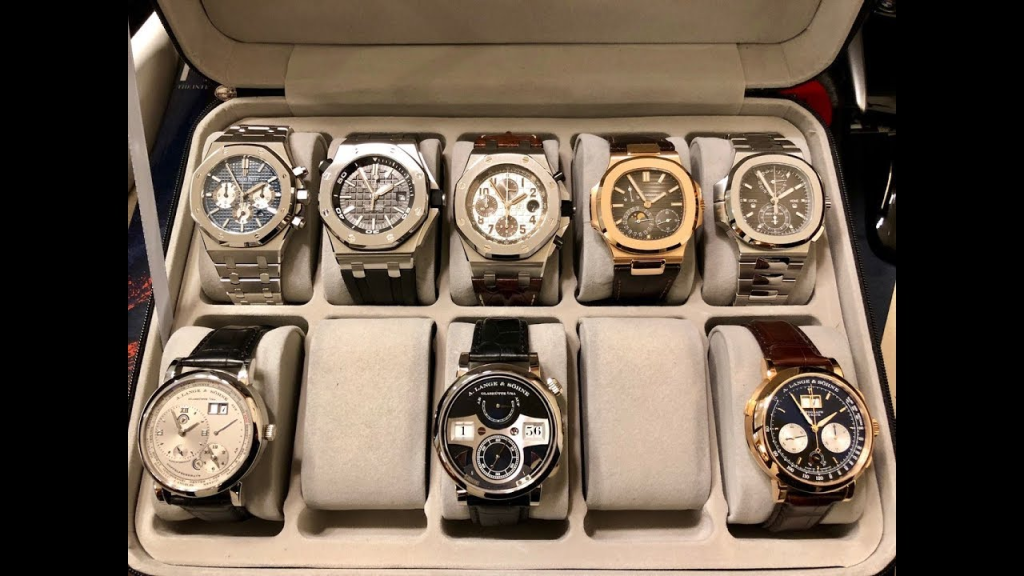
The Future of the Pre-Owned Watch Market
The momentum behind used luxury watches isn’t slowing. In fact, projections show continued growth as:
✔ Younger generations discover watch culture
✔ Digital marketplaces mature with better protection
✔ Brands embrace certified pre-owned programs
✔ Investors view watches as alternative assets
This suggests that the second-hand watch world isn’t a passing trend — it’s a paradigm shift in how we value and trade luxury.
Sustainability Meets Desire
Increasingly, luxury consumers care about sustainability in their purchase choices. Buying used reduces demand for new manufacturing — lowering environmental impact while extending the lifespan of beautifully crafted objects.
This aligns with broader trends in:
- Fashion resale
- Vintage collectibles
- Ethical consumption
The used watch market isn’t just stylish — it’s responsible.
Final Thoughts: Why the Trend Matters
Used luxury watches are gaining popularity not out of necessity, but choice — a choice informed by:
- Investment potential
- Sustainability
- Style and nostalgia
- Market transparency
- Community culture
- Tangible quality and heritage
In a world where many purchases feel fleeting, luxury watches — especially pre-owned ones — represent substance, history, and meaning.
Whether you’re a seasoned collector, a fashion enthusiast, or someone exploring alternative assets, the used luxury watch market offers richness that transcends time — both literally and figuratively.


