
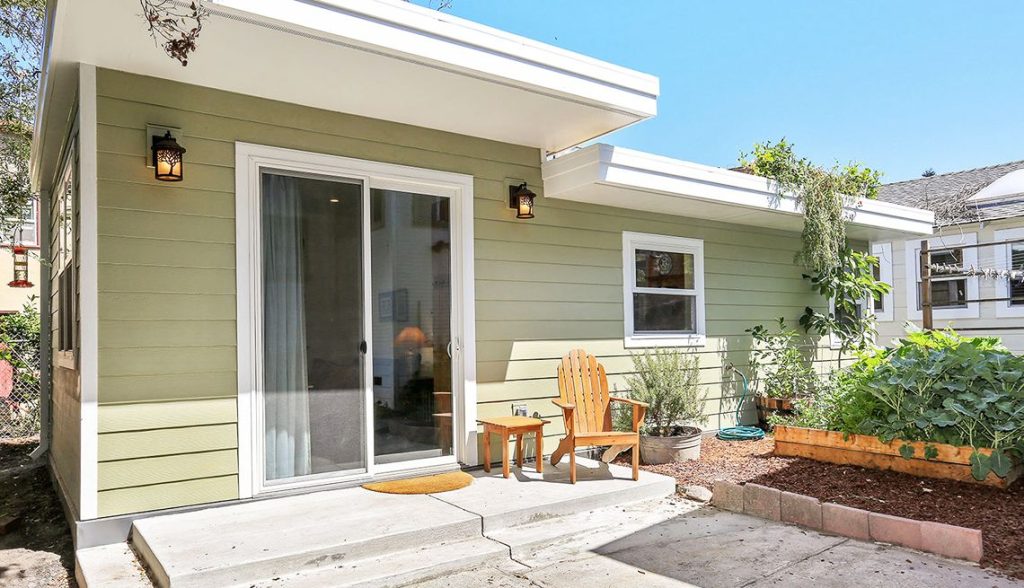
A Practical Response to Aging, Affordability, and Family Living
As housing costs rise and populations age, families are searching for flexible, affordable, and compassionate living solutions. One option gaining significant attention is the granny pod — a small, self-contained living unit placed on the property of a primary residence.
Also known as accessory dwelling units (ADUs), in-law suites, or backyard cottages, granny pods are reshaping how families think about multigenerational living. This article explores why granny pods are becoming popular housing solutions and what factors are driving their growth.
What Are Granny Pods?
Granny pods are compact, independent housing units designed to sit on the same lot as a main home. They typically include:
- A bedroom or sleeping area
- A bathroom
- A small kitchen or kitchenette
- Living space
- Accessibility features for seniors
While originally designed to house aging parents, granny pods are now used for a wide range of needs, from caregiving to affordable housing alternatives.
The Aging Population Is Driving Demand
The global population is aging rapidly. Many older adults prefer to remain close to family rather than move into assisted living facilities.
Granny pods offer a balance between independence and support. Seniors can live privately while staying near loved ones who can provide help when needed.
This arrangement allows families to:
- Support aging relatives
- Maintain independence for seniors
- Reduce reliance on institutional care
The emotional and practical benefits make granny pods especially appealing.
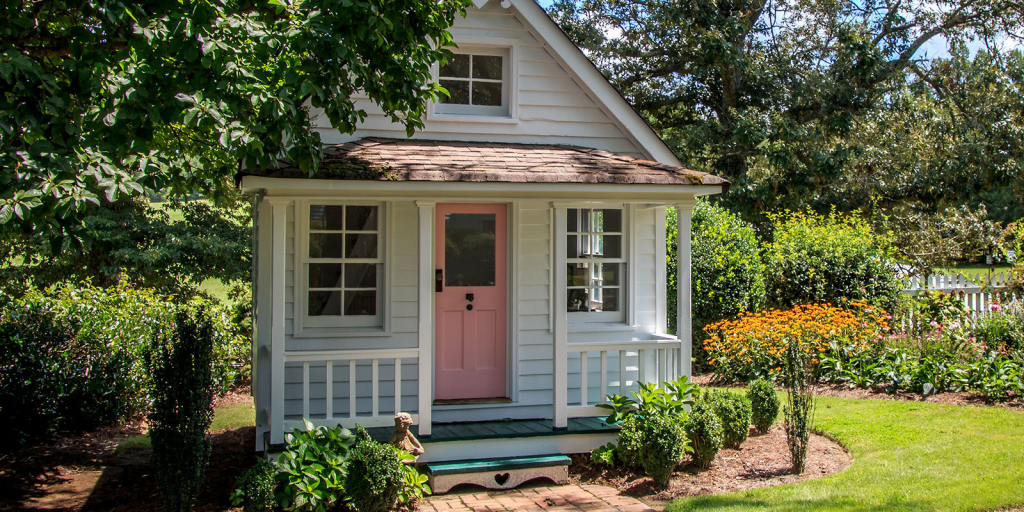
Rising Housing Costs and Affordability Concerns
Housing affordability has become a major issue in many regions. Traditional housing options for seniors, including retirement communities and assisted living, are often expensive.
Granny pods provide a more cost-effective alternative. Building or installing a pod can be significantly less expensive than purchasing a second home or paying ongoing care facility fees.
For families, this translates to:
- Lower long-term housing costs
- Greater financial predictability
- Shared resources and utilities
As affordability pressures grow, granny pods offer a financially sustainable solution.
Multigenerational Living Is Making a Comeback
Cultural attitudes toward multigenerational living are shifting. Many families now see value in living closer together, sharing responsibilities, and maintaining strong family bonds.
Granny pods allow for:
- Proximity without overcrowding
- Clear personal boundaries
- Flexible living arrangements
This structure supports family connection while preserving privacy for all household members.
Zoning Changes and ADU-Friendly Policies
Local governments are increasingly revising zoning laws to allow accessory dwelling units. These changes are designed to:
- Increase housing supply
- Address affordability shortages
- Support aging-in-place initiatives
As regulations become more favorable, homeowners find it easier to build or install granny pods legally.
Policy support has played a significant role in accelerating adoption.
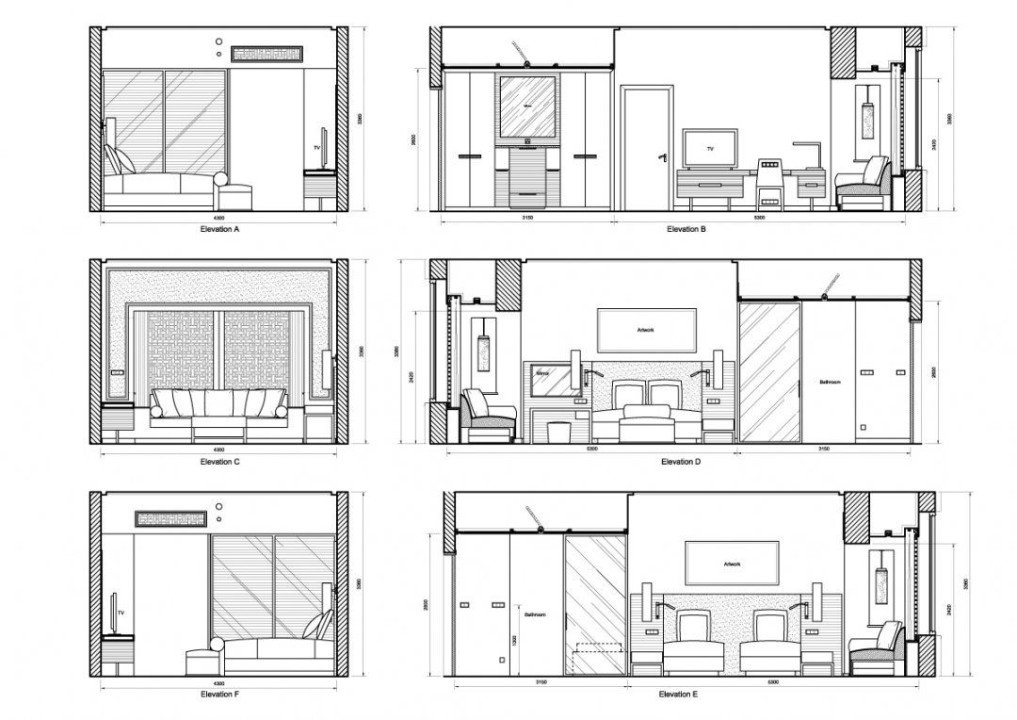
Design Innovations and Modern Amenities
Modern granny pods are far from basic. Advances in design and construction have made these units comfortable, attractive, and highly functional.
Common features include:
- Energy-efficient construction
- Smart home technology
- Universal design for accessibility
- High-quality finishes
Some pods are prefabricated and can be installed quickly, reducing construction time and disruption.
Supporting Aging in Place
Aging in place refers to the ability of seniors to live safely and independently in their own community as they age.
Granny pods are ideal for this goal. They allow seniors to:
- Stay close to family
- Avoid relocating to unfamiliar environments
- Maintain daily routines
This approach supports emotional well-being and reduces the stress associated with major life transitions.
Reduced Strain on Care Facilities
Assisted living and nursing facilities are often understaffed and expensive. Granny pods offer an alternative that reduces reliance on these institutions.
Families can provide:
- Informal daily support
- Monitoring without intrusion
- Customized care arrangements
This flexibility makes granny pods appealing to families managing both caregiving and work responsibilities.

Environmental and Sustainability Benefits
Smaller living spaces typically consume fewer resources. Granny pods:
- Require less energy for heating and cooling
- Use fewer building materials
- Reduce urban sprawl
Many units incorporate sustainable materials and solar options, aligning with environmentally conscious living trends.
Flexibility Beyond Senior Housing
While designed with seniors in mind, granny pods serve multiple purposes over time.
They may later be used as:
- Guest houses
- Home offices
- Rental units
- Housing for adult children
This adaptability increases the long-term value of the investment.
Privacy and Independence for All Parties
One of the greatest advantages of granny pods is privacy. Unlike shared housing arrangements, pods allow seniors to maintain autonomy while remaining nearby.
Family members benefit from:
- Reduced caregiving stress
- Clear living boundaries
- Peace of mind
This balance makes granny pods a practical compromise between independence and connection.
Cost Considerations and Investment Value
While initial costs vary depending on size, design, and location, granny pods often represent a solid investment.
Potential financial benefits include:
- Increased property value
- Reduced elder care expenses
- Rental income opportunities
For many homeowners, the long-term return justifies the upfront investment.

Legal and Planning Considerations
Before installing a granny pod, homeowners should consider:
- Local zoning regulations
- Building permits
- Utility connections
- Accessibility requirements
Consulting professionals ensures compliance and smooth implementation.
Addressing Common Concerns
Some families worry about:
- Property taxes
- Neighborhood acceptance
- Maintenance responsibilities
Clear communication, thoughtful design, and proper planning help address these concerns effectively.
The Emotional Benefits of Close Family Living
Beyond logistics, granny pods strengthen family bonds. Being nearby allows for shared meals, celebrations, and everyday moments that might otherwise be lost.
For seniors, proximity reduces loneliness. For families, it fosters connection and shared responsibility.
The Future of Granny Pods
As housing challenges continue, granny pods are expected to become even more common. Trends point toward:
- Increased prefabrication
- Greater affordability
- Expanded policy support
- Wider public acceptance
They represent a forward-thinking approach to housing that adapts to changing family needs.
Final Thoughts
Granny pods are becoming popular housing solutions because they address multiple modern challenges at once — aging populations, housing affordability, family caregiving, and sustainability.
By offering independence, proximity, and flexibility, granny pods provide a compassionate and practical living arrangement for today’s families.
As communities evolve, these small but impactful dwellings are reshaping the future of multigenerational living.


