
Why Vehicle Choice Matters More With Age
As drivers get older, priorities behind the wheel naturally change. Comfort, visibility, safety, and ease of use begin to matter far more than speed or aggressive styling. For many seniors, the vehicle that once felt exciting can slowly become difficult to enter, uncomfortable to drive, or stressful in traffic.
This is where crossovers stand out.
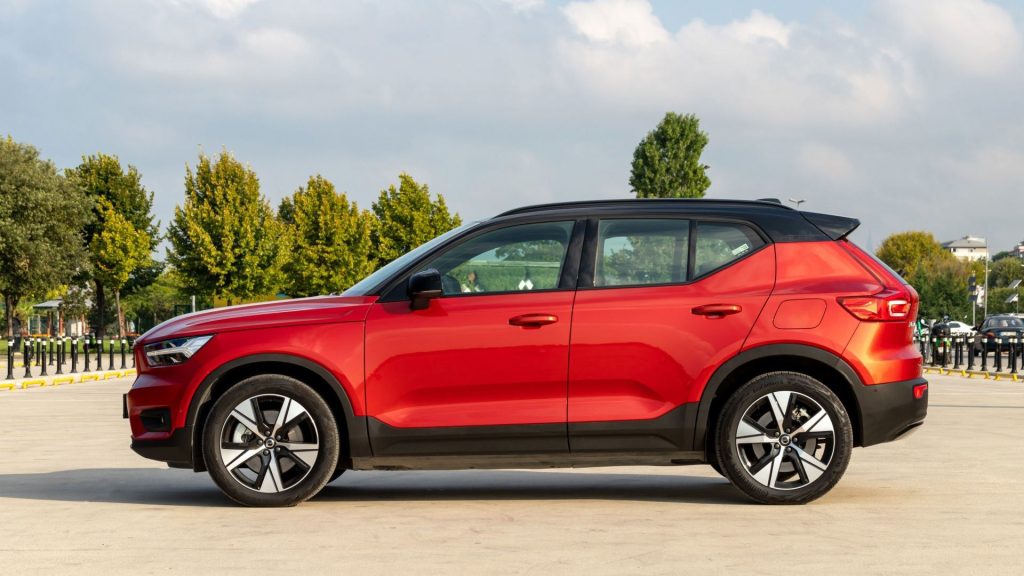
Crossover vehicles blend the best features of sedans, SUVs, and hatchbacks into one highly practical design. They offer a balance of comfort, safety, and accessibility that makes them especially well-suited for senior drivers.
This article explores why crossovers are increasingly considered the ideal vehicle choice for older adults — and what makes them different from traditional cars and SUVs.
What Is a Crossover Vehicle
A crossover, often called a CUV, is built on a car-like unibody platform rather than a truck frame. This design combines:
- The driving comfort of a sedan
- The higher seating position of an SUV
- The practicality of a hatchback
Crossovers typically feature:
- Easier step-in height
- Better fuel efficiency than large SUVs
- Smooth, stable handling
- Modern safety technology
These characteristics directly address many of the challenges senior drivers face.
Easier Entry and Exit Reduces Strain
One of the biggest reasons seniors prefer crossovers is how easy they are to get in and out of.
Sedans often sit too low, requiring drivers to bend deeply or push themselves up. Large SUVs and trucks can be too high, requiring a climb.
Crossovers hit the sweet spot:
- Seat height is close to hip level
- Minimal bending of knees and back
- No climbing or dropping down
This reduces joint strain and makes everyday errands far more comfortable.

Higher Seating Position Improves Visibility
Visibility plays a major role in driving confidence — especially for seniors.
Crossovers provide a higher driving position than sedans, offering:
- Better forward road visibility
- Clearer view of surrounding traffic
- Easier awareness of pedestrians and cyclists
This elevated perspective reduces stress in busy traffic and makes navigating intersections, parking lots, and highways feel safer and more controlled.
Comfortable Ride for Longer Drives
Comfort becomes increasingly important with age, particularly on longer trips.
Crossover vehicles are designed for comfort with features such as:
- Supportive seating
- Smooth suspension tuning
- Reduced road noise
- Stable handling
Unlike trucks or body-on-frame SUVs, crossovers absorb bumps more effectively, leading to a softer, less fatiguing ride.
For seniors who enjoy road trips, visiting family, or daily commuting, this comfort makes a noticeable difference.
Advanced Safety Features Add Peace of Mind
Safety technology has advanced rapidly, and crossovers are often at the forefront.
Many modern crossovers include:
- Blind-spot monitoring
- Lane departure warnings
- Rearview cameras
- Automatic emergency braking
- Adaptive cruise control
These systems act as an extra set of eyes on the road, helping compensate for slower reaction times or reduced neck mobility.
For senior drivers, these features don’t replace skill — they enhance it.
Easier Steering and Handling
Crossovers are generally lighter and easier to maneuver than full-size SUVs.
Benefits include:
- Responsive steering
- Tighter turning radius
- Better control at low speeds
This makes everyday tasks like parking, U-turns, and navigating narrow streets less stressful.
For seniors who may feel overwhelmed by large vehicles, crossovers offer confidence without compromise.
Better Fuel Efficiency Than Traditional SUVs
Fuel efficiency matters, especially for fixed or retirement incomes.
Because crossovers are built on car-based platforms, they typically offer:
- Better gas mileage
- Lower fuel costs
- Reduced emissions
This efficiency makes them practical for both city driving and longer highway trips, without sacrificing comfort or safety.
Flexible Cargo Space Without Bulk
Crossovers offer versatile cargo areas without the excessive size of large SUVs.
Features often include:
- Low cargo floors for easy loading
- Fold-flat rear seats
- Wide rear openings
This makes it easy for seniors to transport:
- Groceries
- Mobility aids
- Luggage
- Gardening supplies
The design balances space and accessibility perfectly.
Modern Interiors Designed for Ease of Use
Interior design matters more than many realize.
Crossover cabins often prioritize:
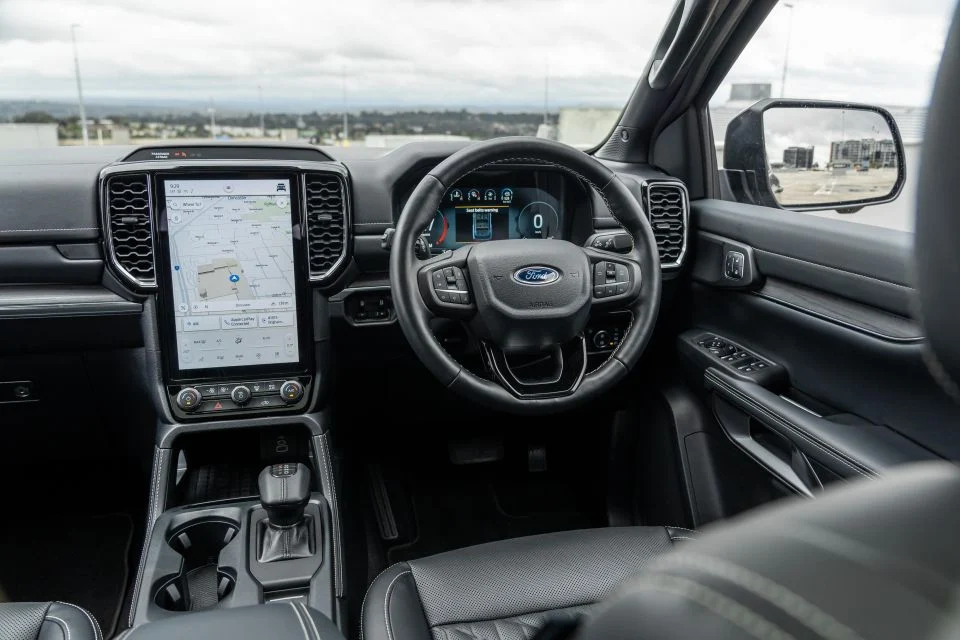
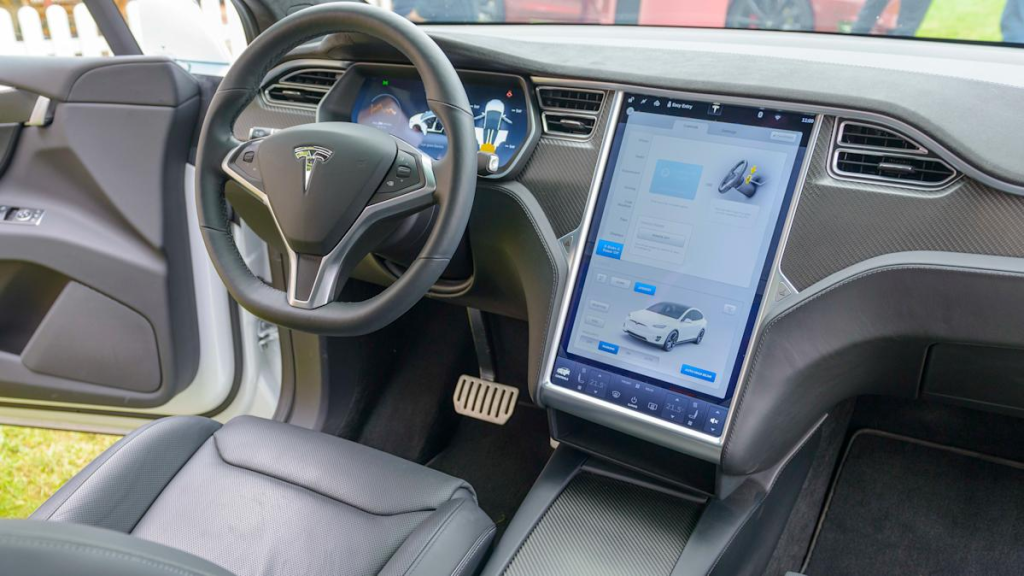
- Clear instrument displays
- Intuitive controls
- Large touchscreens with simple menus
- Comfortable armrests and storage
Many models also include voice controls, reducing the need to reach or take eyes off the road.
These features support safe, stress-free driving.
All-Weather Confidence Without Complexity
Many crossovers offer optional all-wheel drive (AWD), which improves traction in rain, snow, or uneven road conditions.
Unlike heavy off-road systems, AWD in crossovers:
- Activates automatically when needed
- Requires no manual engagement
- Enhances stability without driver effort
This provides reassurance for seniors driving in variable weather without adding complexity.
Reliable and Lower Maintenance Costs
Crossovers tend to be more affordable to maintain than large SUVs or luxury vehicles.
Advantages include:
- Widely available parts
- Lower repair costs
- Proven reliability across many models
This predictability helps seniors plan expenses and avoid unexpected costs.
Popular Crossover Models Among Seniors
While preferences vary, some crossover types consistently appeal to older drivers:
- Compact crossovers for easy maneuverability
- Mid-size crossovers for added comfort and space
- Hybrid crossovers for fuel efficiency
What matters most is fit, comfort, and confidence — not brand prestige.
Why Crossovers Support Driving Independence
Driving represents freedom.
For many seniors, the right vehicle:
- Encourages continued independence
- Reduces anxiety behind the wheel
- Supports daily routines and social life
Crossovers help maintain mobility longer by adapting to changing physical needs without feeling limiting.

Common Misconceptions About Crossovers
Misconception: Crossovers are just small SUVs
In reality, crossovers drive more like cars and prioritize comfort and efficiency.
Misconception: They’re too complex
Many crossovers simplify driving with intuitive controls and driver-assist features.
Misconception: Seniors should stick to sedans
Crossovers often provide better ergonomics and safety than traditional sedans.
Understanding these points helps seniors choose confidently.
How to Choose the Right Crossover as a Senior Driver
When selecting a crossover, seniors should consider:
- Seat height and comfort
- Visibility from the driver’s seat
- Ease of entering and exiting
- Safety technology availability
- Ride smoothness
- Control simplicity
Test drives are essential. Comfort and confidence should guide the decision.
Final Thoughts
Crossovers offer an ideal balance of comfort, safety, and practicality — making them an excellent choice for senior drivers.
With easy access, improved visibility, modern safety features, and a smooth driving experience, crossovers support independence and confidence at every stage of life.
For seniors seeking a vehicle that adapts to their needs without compromise, crossovers deliver where it matters most.