
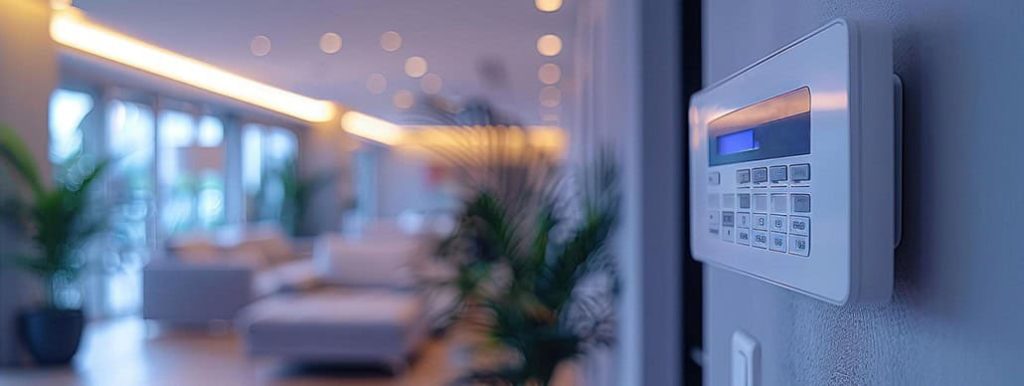
Why Choosing the Right Alarm System Matters
Home security has never been more important. Break-ins, property crime, and safety concerns — real or perceived — have led millions of homeowners and renters to invest in alarm systems that protect their homes, families, and belongings.
But not all alarm systems are created equal. A modern alarm system does more than just trigger a loud siren. Today’s smart security systems integrate technology, connectivity, and proactive protection features that offer peace of mind and real value.
Whether you’re buying your first security system or upgrading an older setup, knowing what to look for helps you choose a system that matches your lifestyle, priorities, and budget.
Understanding the Basics: What an Alarm System Does
At a fundamental level, an alarm system:
- Detects unauthorized entry
- Notifies you and/or a monitoring service
- Signals alerts through sirens, messages, or calls
- Integrates with cameras and sensors
Modern systems expand on these basics with smart features, automation, and remote control options that elevate both security and convenience.
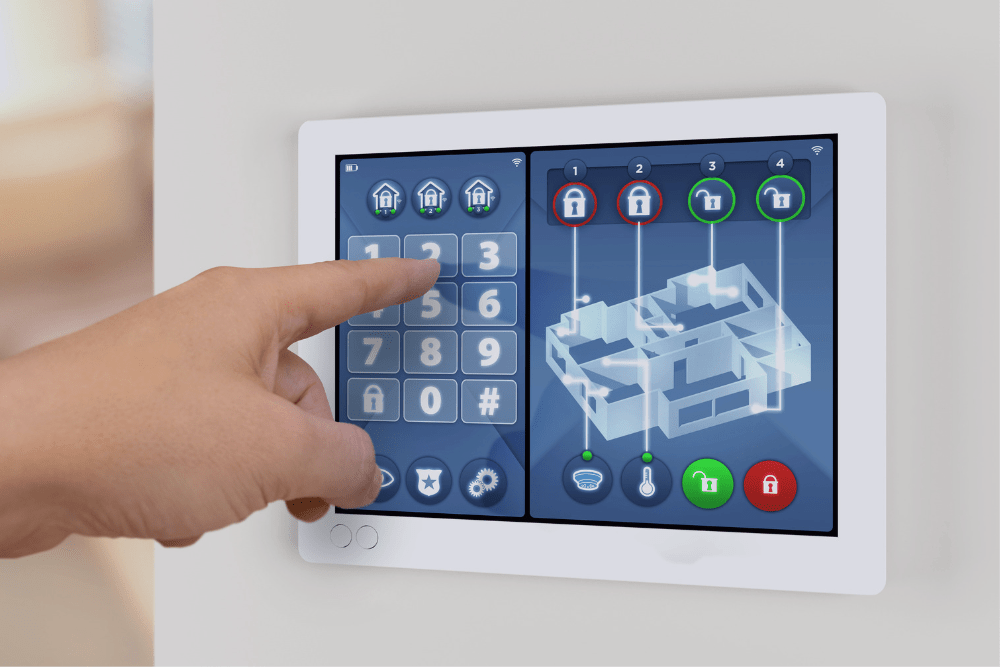
1. Wired vs Wireless — Know the Difference
The first major choice is whether you want a wired or wireless system.
Wired Systems
- Hard-wired into your home’s electrical system
- Very reliable once installed
- Usually installed by professionals
- Can be more difficult and costly to relocate
Wireless Systems
- Connect through Wi-Fi or cellular networks
- Easier to install DIY
- Flexible for renters or frequent movers
- Can integrate easily with smart home devices
For most modern users, wireless systems provide the best balance of flexibility, performance, and cost.
2. Professional Monitoring vs Self-Monitoring
Many alarm systems offer two main alerting approaches:
Professional Monitoring
A security company monitors your system 24/7 and contacts emergency services on your behalf if an alarm triggers.
Benefits:
- Immediate response even when you’re not available
- Peace of mind for families, travelers, or seniors
Self-Monitoring
You receive alerts on your phone and decide how to respond.
Benefits:
- Lower cost
- Full control
- No monthly fees
The choice depends on how much reassurance you want and how quickly you expect responses.
3. Smart Home Integration
Modern alarm systems are part of the larger smart home ecosystem.
Look for systems that work with:
- Voice assistants (Alexa, Google Assistant)
- Smart lighting (automation during an alarm)
- Smart locks (remote locking/unlocking)
- Thermostats and environmental sensors
Integration enhances convenience — like arming your system from your phone or syncing alerts with lighting automation.
4. Mobile App & Remote Control
Remote control is one of the biggest advantages of modern security systems.
Good systems let you:
- Arm or disarm your system from anywhere
- Receive real-time alerts
- View live video feeds
- Check sensor status
- Manage user permissions for family members
A user-friendly mobile app makes this control simple and intuitive.
5. Cameras and Visual Verification
Sensors detect intrusion, but cameras confirm what’s happening.
Important camera features include:
- High-resolution video (1080p or higher)
- Night vision
- Motion-triggered recording
- Two-way audio
- Cloud or local storage
Visual verification helps reduce false alarms and provides evidence if a security event occurs.
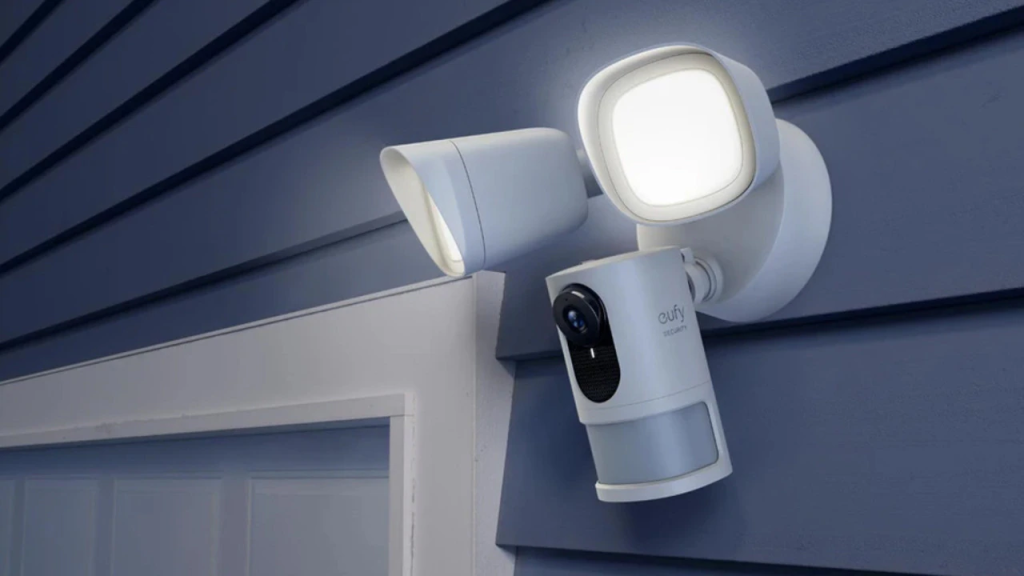
6. Environmental Sensors
Security isn’t only about intruders. Many modern systems include environmental detectors for:
- Smoke and fire
- Carbon monoxide
- Water leaks
- Temperature extremes
These sensors extend protection to life safety and home preservation — especially important for families and frequent travelers.
7. Entry and Motion Sensors
The backbone of any alarm system is reliable detection.
Look for:
- Door and window contact sensors
- Motion detectors with pets excluded
- Adjustable sensitivity settings
High-quality sensors reduce false alarms from pets, drafts, or routine movement.
8. Power Backup and Connectivity Redundancy
Power or network outages shouldn’t disable your system.
Top systems offer:
- Battery backup that lasts hours or even days
- Cellular backup if Wi-Fi fails
- Redundant communication paths
This ensures alerts still go out even during outages or disruptions.
9. User Permissions and Multi-User Access
Modern systems support multiple authorized users.
Consider:
- Individual user codes
- Temporary or time-based access
- Audit logs of who armed/disarmed the system
This is especially useful for families, roommates, or caregivers.
10. False Alarm Prevention
Nothing undermines confidence in a security system like frequent false alarms.
Look for features like:
- Motion sensors with pet immunity
- Sensitivity customization
- Verification (camera confirmation before alarms escalate)
- Alert delay options
These reduce unnecessary disruptions and unnecessary emergency responses.
11. System Expandability
Your needs may change over time.
Choose a system that supports:
- Additional sensors (garage, basement, outdoor)
- Extra cameras
- Smart locks and lights
- Environmental detectors
Scalability ensures your system grows with your home and priorities.
12. Installation Options and Support
Some systems are perfect for DIY installation; others require professional setup.
DIY installations:
- Are typically faster and cheaper
- Work well for renters or straightforward layouts
Professional installations:
- Are ideal for complex homes
- Ensure optimal sensor placement
- Often include configuration support
Choose the level of involvement that fits your comfort and availability.
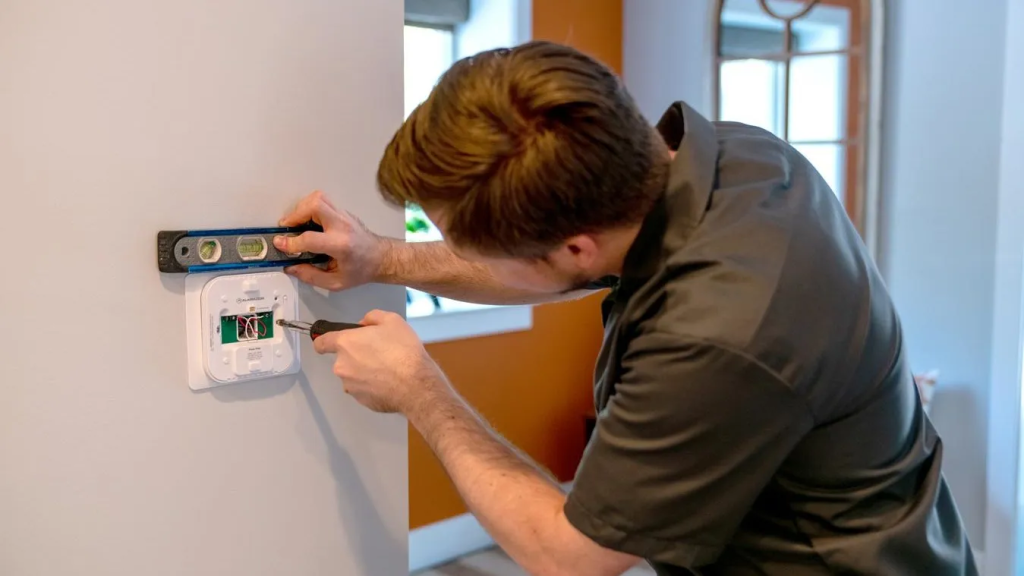
13. Alarm System Costs
Costs vary, but should always be evaluated in full.
Consider:
- Upfront equipment costs
- Professional installation fees
- Monthly monitoring fees
- Cloud storage subscription
- Add-on device costs
A low upfront cost can come with high monthly fees. Knowing total cost over time helps you compare options objectively.
14. Data Privacy and Security
Your security system collects sensitive data — so privacy matters.
Look for systems that:
- Encrypt video and alerts
- Don’t sell your data
- Allow control over sharing permissions
- Offer secure login and authentication
Privacy policies should be transparent and strong.
15. Customer Support and Warranty
After purchase, you may need assistance.
Good support features include:
- 24/7 customer service
- Online knowledge base
- Community forums
- Warranty on equipment
Strong support ensures issues are resolved quickly without long downtimes.
16. Ratings, Reviews, and Reputation
Before buying, check:
- Professional and user reviews
- Independent testing results
- Reliability scores
- Customer satisfaction ratings
Real-world feedback often provides insights beyond feature lists or marketing claims.

Common Misconceptions About Modern Alarm Systems
Misconception: A loud siren is enough
Reality: Smart systems provide remote alerts, professional monitoring, and automation — far beyond noise alone.
Misconception: Systems are only for high-crime areas
Reality: They provide peace of mind and protection in almost any neighborhood.
Misconception: All systems are expensive
Reality: There are flexible options tailored for different budgets and needs.
Matching Features to Your Priorities
Choosing the right alarm system is about priorities, not just features.
Ask yourself:
- Do I need cameras or just entry sensors?
- Will I rely on professional monitoring?
- Is smart home integration important?
- Do I want to avoid monthly fees?
- Is privacy a top concern?
Answering these questions narrows your options and identifies the best fit.
Practical Tips Before You Buy
- Research coverage area of sensors vs. actual house layout
- Ask about installation warranties
- Compare monitoring options and contracts
- Look for no-contract or flexible contract plans
- Check if cameras include local storage options
Prepared shoppers make confident choices.
Final Thoughts
A modern alarm system does more than detect intruders — it protects your home, family, and peace of mind with connectivity, automation, and smart features. When you know what to look for — from sensors and cameras to monitoring and mobile alerts — choosing the right system becomes a planned, informed decision rather than a guess.
Security should feel seamless, intelligent, and empowering. The right alarm system lets you live with confidence — whether you’re at home, at work, or on the go.