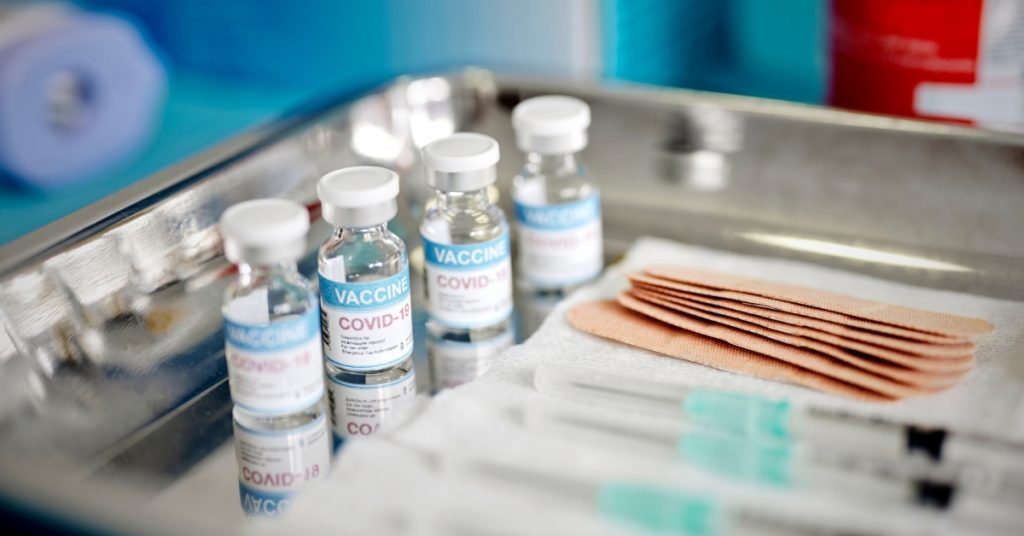
COVID-19 continues to evolve, and vaccination strategies have evolved along with it. Updated COVID booster shots are designed to better match currently circulating variants rather than the original strain from early in the pandemic. These updates are part of an ongoing effort to maintain protection as immunity naturally fades and the virus changes over time.
If you’ve heard terms like updated booster, seasonal COVID vaccine, or variant-matched shot and aren’t sure what they mean for you or your family, you’re not alone. Guidance has shifted, and understanding what matters most can help you make informed decisions.
This article explains what to know about updated COVID booster shots, including what they target, who they are intended for, and how to decide if getting one makes sense for you.
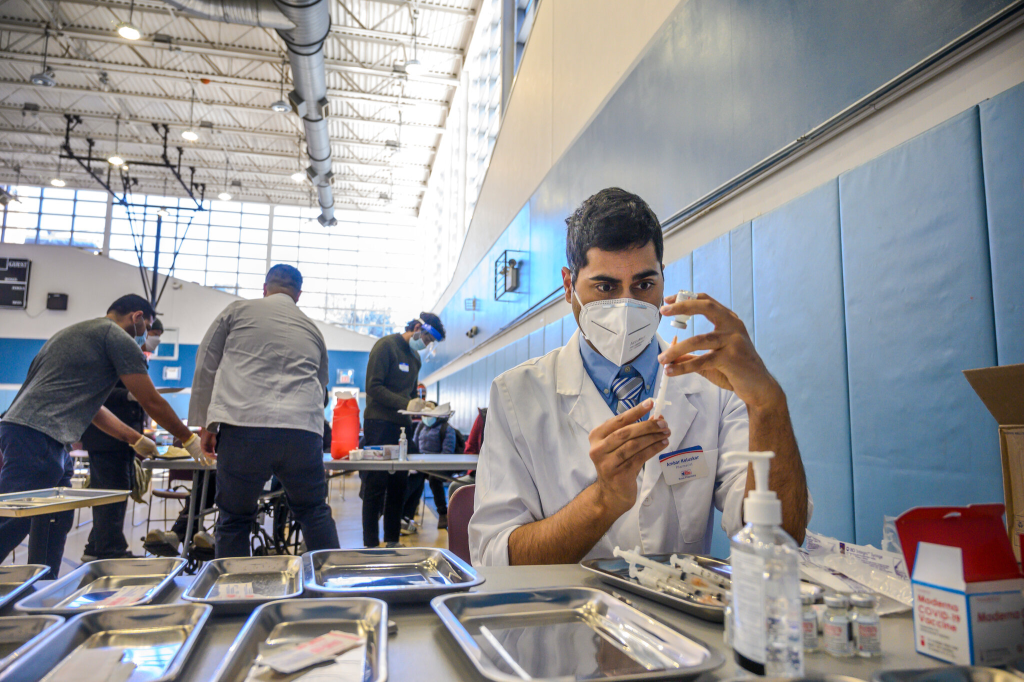
What Updated COVID Booster Shots Are
Updated COVID booster shots are vaccines reformulated to better match newer versions of the virus that are currently circulating. Rather than targeting the original COVID strain, these boosters focus on more recent Omicron-lineage variants.
The goal is to refresh the immune system’s memory so it can respond more effectively to the virus most people are likely to encounter now. This approach is similar to how seasonal flu vaccines are updated each year.
Updated boosters are considered part of routine COVID protection rather than emergency doses.
What This Year’s Boosters Are Designed to Target
Current updated boosters are based on newer Omicron-lineage variants that have become dominant over time. These variants differ enough from earlier strains that older vaccines may not provide the same level of protection against severe illness.
By targeting more recent variants, updated boosters aim to:
- Improve immune recognition
- Reduce the risk of severe outcomes
- Restore protection that may have declined over time
They are not designed to eliminate all infections, but to strengthen defense against serious disease.
Who Updated Boosters Are Intended For
Updated COVID boosters are recommended for most people starting in early childhood, with specific considerations based on age, health status, and vaccination history.
People who often benefit most from staying up to date include:
- Older adults
- Individuals with chronic medical conditions
- People with weakened immune systems
- Pregnant individuals
- Caregivers or household members of high-risk individuals
- Those in high-exposure environments
For children and teens, recommendations may depend on age and prior vaccination history.

What “Up to Date” Typically Means
Being “up to date” usually means receiving the most current COVID vaccine formulation recommended for your age group, regardless of how many doses you had in previous years.
Even if you were vaccinated earlier in the pandemic or had COVID in the past, an updated booster can still be helpful because immunity changes over time and variants shift.
The focus is less on the total number of past doses and more on whether you’ve received the current formulation.
Do You Need a Booster If You Recently Had COVID
A recent COVID infection can provide some temporary immune protection, but it does not always replace the benefit of an updated booster—especially for people at higher risk.
Factors often considered include:
- Time since infection
- Severity of past illness
- Personal risk factors
- Upcoming exposure risks
Many people choose to wait a short period after recovery before getting an updated booster, but individual timing can vary.
What Updated Boosters Can and Can’t Do
What they help with
Updated boosters are primarily designed to:
- Lower the risk of severe illness
- Reduce hospitalizations
- Refresh fading immunity
What they don’t guarantee
Updated boosters do not guarantee complete protection from infection. Mild or moderate infections can still occur, especially with high exposure.
The main benefit is reducing the likelihood of serious outcomes.
Types of Updated COVID Boosters
There are different vaccine technologies used for updated boosters, including:
- mRNA-based vaccines
- Protein-based vaccines
Availability may vary by location and age group. For most people, the most important factor is receiving an approved, age-appropriate updated vaccine rather than focusing on brand differences.

Special Considerations for Higher-Risk Groups
People with weakened immune systems may have different dosing recommendations than the general population. In some cases, additional doses or different timing may be advised.
If you fall into a higher-risk category, it’s important to discuss:
- How many doses are recommended this season
- Appropriate spacing between doses
- Coordination with other medical treatments
Personalized guidance helps ensure the best level of protection.
Side Effects and Safety Overview
Side effects from updated COVID boosters are generally similar to earlier doses and are usually mild to moderate.
Common effects may include:
- Soreness at the injection site
- Fatigue
- Headache
- Muscle aches
- Mild fever or chills
These symptoms typically resolve within a few days and reflect the immune system responding to the vaccine.
Timing Your Booster
Choosing when to get an updated booster often depends on:
- Current health status
- Recent illness or vaccination
- Anticipated exposure in coming months
Some people choose to get boosted ahead of travel, seasonal surges, or periods of increased indoor activity.

Common Misunderstandings About Updated Boosters
Missing a previous booster doesn’t disqualify you
If you skipped a prior booster, you can still receive the current updated version.
Monovalent doesn’t mean weaker
A monovalent vaccine simply targets one main variant lineage rather than multiple strains at once.
Updated boosters are not emergency measures
They are part of ongoing, routine COVID prevention efforts.
Questions to Ask Before Getting Boosted
Before receiving an updated COVID booster, you may want to ask:
- Which vaccine is appropriate for my age group?
- How many doses are recommended for me this season?
- Is there a suggested waiting period after recent illness?
- Can this be given alongside other vaccines?
Clear answers help align vaccination decisions with personal health needs.
Final Thoughts
Updated COVID booster shots are designed to better match currently circulating variants and to restore protection that fades over time. While they do not eliminate the possibility of infection, they play an important role in reducing the risk of severe illness, especially for older adults and people with underlying health conditions.
Understanding how updated boosters work, who they are for, and when to consider them can help individuals make confident, informed decisions. Staying informed allows COVID protection to remain proactive rather than reactive as the virus continues to change.