

Making Smart Borrowing Decisions That Protect Your Financial Future
Personal loans can be useful financial tools when used thoughtfully. They offer flexibility for covering expenses such as debt consolidation, medical bills, home repairs, or unexpected emergencies. However, borrowing without careful evaluation can lead to long-term financial strain.
This guide explains what to consider before applying for a personal loan, helping you understand costs, risks, eligibility factors, and how to decide whether a loan truly fits your financial situation.
What Is a Personal Loan?

A personal loan is typically an unsecured loan that provides a lump sum of money repaid over a fixed period with interest. Because most personal loans do not require collateral, lenders assess risk primarily through credit history, income, and debt levels.
Personal loans are commonly used for:
- Consolidating high-interest debt
- Covering unexpected expenses
- Funding large purchases
- Managing short-term financial gaps
Understanding how these loans work is the first step toward responsible borrowing.
Clarifying Your Reason for Borrowing
Before applying, define exactly why you need the loan. Ask yourself:
- Is this expense necessary or optional?
- Can it be delayed or reduced?
- Are there lower-cost alternatives?
Borrowing for essential needs or to reduce higher-interest debt often makes more sense than using a loan for discretionary spending.
Understanding Total Loan Cost
The true cost of a personal loan goes beyond the monthly payment. Consider:
- Interest rate
- Loan term length
- Fees and charges
A longer loan term may lower monthly payments but increase the total interest paid over time.
Interest Rates and How They Affect Affordability
Interest rates vary widely depending on:
- Credit score
- Income stability
- Market conditions
- Lender policies
Lower rates reduce borrowing costs significantly. Comparing offers from multiple lenders helps identify competitive rates.
Fixed vs Variable Interest Rates
Personal loans may offer:
- Fixed rates: predictable monthly payments
- Variable rates: payments that may change over time
Fixed rates provide stability and easier budgeting, while variable rates may carry uncertainty if rates increase.
Loan Fees and Additional Charges
Common personal loan fees include:
- Origination fees
- Late payment fees
- Prepayment penalties
Understanding fees upfront prevents surprises and allows accurate cost comparison.
Your Credit Score and Credit History
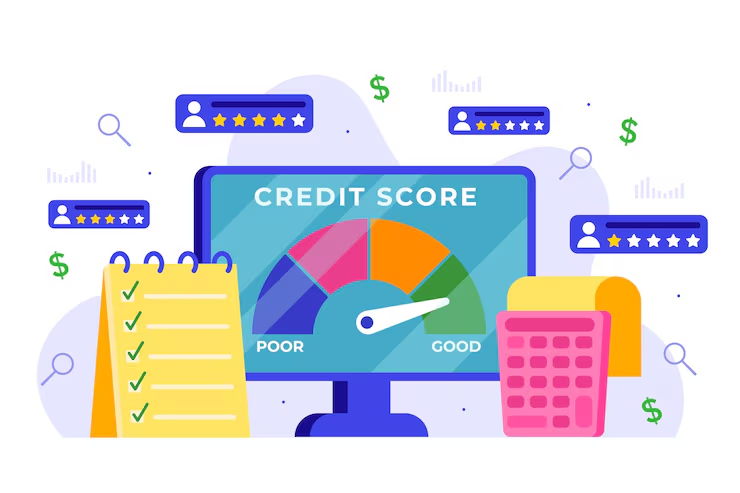
Creditworthiness plays a major role in loan approval and pricing. Lenders review:
- Credit score
- Payment history
- Credit utilization
- Length of credit history
A stronger credit profile typically results in better loan terms.
How a Personal Loan Affects Your Credit
Applying for a loan may cause a temporary dip in your credit score due to a credit inquiry. Over time:
- On-time payments can improve credit
- Missed payments can harm credit
Consider your ability to maintain consistent payments before borrowing.
Assessing Your Debt-to-Income Ratio
Debt-to-income (DTI) ratio measures how much of your income goes toward debt payments. A high DTI may:
- Limit loan approval
- Increase interest rates
- Strain your monthly budget
Understanding your DTI helps determine whether taking on more debt is manageable.
Monthly Payment Comfort Level
Before applying, ensure the monthly payment fits comfortably within your budget. Consider:
- Existing financial obligations
- Variable expenses
- Emergency savings
Avoid loans that leave little room for unexpected costs.
Loan Term Length Considerations
Personal loan terms often range from a few years to several years. Shorter terms:
- Reduce total interest paid
- Increase monthly payments
Longer terms:
- Lower monthly payments
- Increase total cost
Choose a term that balances affordability and overall cost.
Secured vs Unsecured Loans
Most personal loans are unsecured, but some may be secured by assets. Secured loans may offer:
- Lower interest rates
- Higher borrowing limits
However, failure to repay could result in loss of collateral.
Lender Reputation and Transparency

Not all lenders operate the same way. Research:
- Customer reviews
- Transparency of terms
- Responsiveness and support
A reputable lender provides clear terms and fair practices.
Comparing Loan Offers Carefully
Always compare multiple offers based on:
- Annual percentage rate (APR)
- Fees
- Repayment flexibility
- Customer service
APR provides the most accurate comparison of overall cost.
Prequalification and Soft Credit Checks
Many lenders allow prequalification with a soft credit check. This helps:
- Estimate rates
- Compare options
- Avoid unnecessary credit impact
Prequalification provides valuable insight before formal application.
Loan Repayment Flexibility
Consider whether the loan offers:
- Early payoff without penalties
- Payment due date flexibility
- Hardship assistance options
Flexible terms provide added protection if circumstances change.
Alternatives to Personal Loans
Before committing, explore alternatives such as:
- Emergency savings
- Payment plans
- Credit counseling
- Balance transfer options
Sometimes alternatives carry lower cost and less risk.
Using Personal Loans for Debt Consolidation
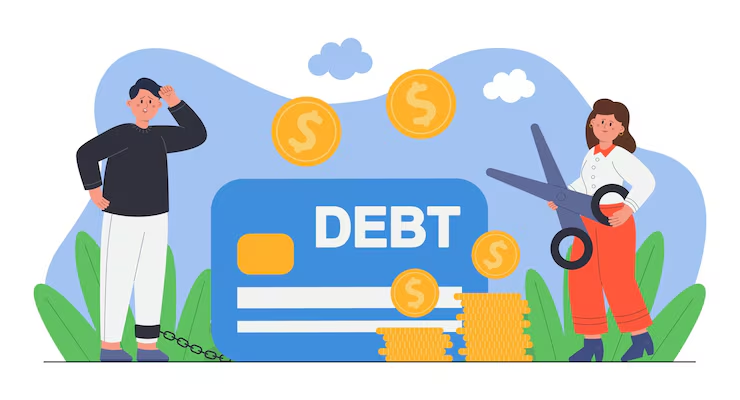
Personal loans can simplify multiple debts into one payment. This strategy works best when:
- Interest rates are lower than existing debts
- Spending habits are controlled
- New debt is avoided
Without discipline, consolidation can worsen financial stress.
Risks of Overborrowing
Borrowing more than needed increases:
- Monthly payment burden
- Interest costs
- Risk of default
Borrow only what you truly need to manage the expense responsibly.
Understanding Loan Default Consequences
Failure to repay a personal loan can result in:
- Late fees
- Credit damage
- Collection actions
- Legal consequences
Understanding risks reinforces the importance of careful planning.
Timing Your Loan Application
Applying when your finances are stable improves approval chances and terms. Consider:
- Employment stability
- Credit improvements
- Lower existing debt
Timing can significantly affect loan affordability.
Personal Loans and Long-Term Financial Goals
Borrowing should align with long-term goals. Consider how a loan affects:
- Saving plans
- Homeownership goals
- Retirement contributions
Loans that support financial progress are preferable to those that delay it.
Red Flags to Watch For
Be cautious of lenders that:
- Guarantee approval without checks
- Hide fees
- Pressure quick decisions
Transparency is essential for safe borrowing.
Preparing for the Application Process
Before applying, gather:
- Proof of income
- Identification
- Employment details
- Banking information
Preparation speeds approval and reduces stress.
When a Personal Loan Makes Sense
A personal loan may be appropriate when:
- The expense is necessary
- Terms are affordable
- It improves financial stability
Careful consideration ensures borrowing supports—not harms—your finances.
When to Avoid a Personal Loan
Avoid borrowing if:
- Monthly payments strain your budget
- The loan funds nonessential spending
- You already struggle with debt
Waiting or exploring alternatives may be wiser.
Final Thoughts
Personal loans can be helpful financial tools when used responsibly, but they require careful evaluation. Understanding interest rates, fees, repayment terms, and your own financial capacity is essential before applying.
By taking time to assess your needs, compare offers, and plan repayment, you can make informed borrowing decisions that support financial stability rather than undermine it. Smart preparation ensures that a personal loan becomes a solution—not a setback—on your financial journey.