

Understanding Pricing, Technology, and Long-Term Value
Hearing aids can significantly improve quality of life, yet their cost often surprises first-time buyers. Prices vary widely, ranging from a few hundred to several thousand dollars per device. Understanding what determines the cost of hearing aids helps individuals make informed decisions and choose solutions that match both their hearing needs and budget.
This article explains the key factors influencing hearing aid pricing, from technology and features to professional services and long-term care considerations.
Why Hearing Aid Prices Vary So Widely
Hearing aids are not one-size-fits-all devices. Each person’s hearing loss, lifestyle, and expectations differ, which directly impacts product selection and price.
The cost reflects a combination of:
- Device technology
- Level of customization
- Professional services
- Ongoing care and support
Understanding these components clarifies why prices differ and what value is included.
Technology Level and Processing Power
One of the biggest factors affecting cost is the level of technology inside the hearing aid.
Basic Technology
Basic hearing aids amplify sound and reduce background noise to a limited degree. They are suitable for:
- Mild hearing loss
- Quiet environments
- Occasional use
Lower processing capability generally results in lower cost.
Advanced and Premium Technology
Higher-end hearing aids include advanced sound processing features such as:
- Automatic environment detection
- Directional microphones
- Speech enhancement in noisy settings
- Wind and feedback reduction
These features improve clarity in complex listening environments and increase overall comfort, which raises cost.
Hearing Aid Style and Design
The physical design of a hearing aid also influences price.
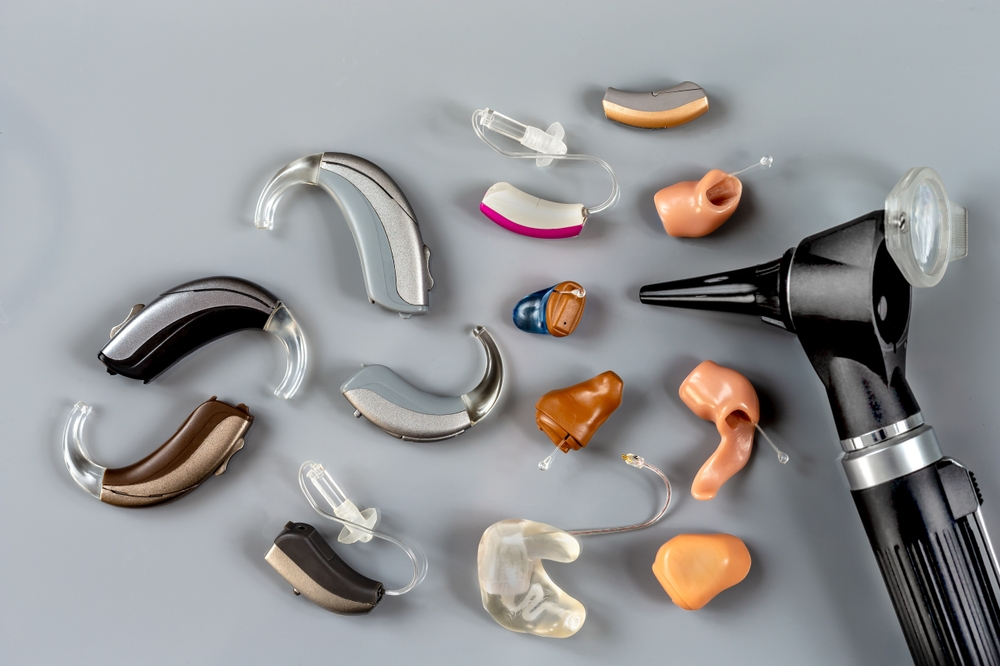
Behind-the-Ear (BTE)
BTE models sit behind the ear and connect to an earpiece. They are often more affordable due to simpler manufacturing and durability.
In-the-Ear (ITE) and In-the-Canal (ITC)
Custom-molded designs fit inside the ear and offer greater discretion. The customization process increases production cost.
Completely-in-Canal (CIC) and Invisible-in-Canal (IIC)
Smaller, more discreet devices require advanced miniaturization and precision manufacturing, contributing to higher prices.
Degree and Type of Hearing Loss
The severity and complexity of hearing loss affect cost. Individuals with moderate to severe hearing loss may require:
- More powerful devices
- Specialized receivers
- Enhanced processing
Complex hearing profiles often require higher-end technology and more professional adjustment time.
Customization and Fitting Process

Proper fitting is essential for performance and comfort. Hearing aids are programmed based on:
- Audiometric testing
- Ear anatomy
- Listening preferences
Customized programming requires professional expertise and time, which is reflected in overall pricing.
Professional Services and Support
A significant portion of hearing aid cost includes professional services rather than the device alone.
These services often include:
- Comprehensive hearing evaluation
- Initial fitting and adjustments
- Follow-up appointments
- Counseling and education
Packages that include lifetime support typically cost more but offer greater long-term value.
Ongoing Maintenance and Care
Hearing aids require ongoing care to function optimally. Costs may include:
- Routine cleanings
- Software updates
- Minor repairs
- Replacement parts
Some providers bundle these services into the initial price, while others charge separately.
Connectivity and Smart Features
Modern hearing aids often include wireless connectivity, allowing users to:
- Stream phone calls
- Listen to music or media
- Adjust settings via smartphone apps
Bluetooth and smart features enhance convenience but add to manufacturing and development costs.
Battery Type and Power System
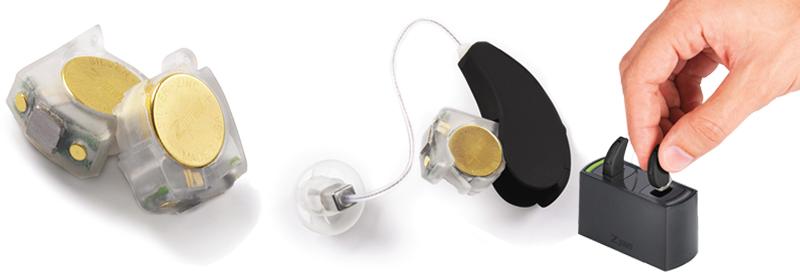
Battery systems influence pricing.
Disposable Batteries
Traditional battery-powered hearing aids may have lower upfront costs but require ongoing battery purchases.
Rechargeable Hearing Aids
Rechargeable models use built-in lithium-ion batteries and charging stations. While more expensive initially, they can reduce long-term operating costs and improve ease of use.
Brand Reputation and Research Investment
Established hearing aid manufacturers invest heavily in:
- Research and development
- Clinical testing
- Software innovation
These investments improve performance and reliability but also contribute to higher pricing compared to generic alternatives.
Warranty and Protection Plans
Warranty coverage affects cost. Higher-priced hearing aids often include:
- Extended repair coverage
- Loss or damage protection
- Replacement guarantees
These protections reduce long-term risk for users and add value beyond the device itself.
Retail vs Direct-to-Consumer Models
Where hearing aids are purchased also affects cost.
Hearing Clinics
Clinic-based purchases often include comprehensive services, contributing to higher prices but greater support.
Over-the-Counter and Online Options
Lower-cost hearing aids are increasingly available directly to consumers. These options may suit individuals with mild hearing loss but often offer limited customization and support.
Regulatory and Medical Standards
Hearing aids are regulated medical devices that must meet strict safety and performance standards. Compliance, testing, and certification add to production costs.
Geographic Location and Market Factors
Prices may vary by region due to:
- Local healthcare costs
- Provider pricing models
- Insurance coverage differences
Understanding regional pricing helps set realistic expectations.
Insurance Coverage and Financial Assistance
Insurance coverage for hearing aids varies widely. Some plans offer partial coverage, while others provide none.
Financial assistance programs, flexible spending accounts, and payment plans can help manage costs.
Long-Term Value vs Upfront Cost

While upfront price matters, long-term value is equally important. Effective hearing aids can:
- Improve communication
- Reduce listening fatigue
- Support cognitive health
- Enhance social engagement
Investing in appropriate technology and support often delivers lasting benefits beyond initial cost.
Common Misconceptions About Hearing Aid Pricing
Common myths include:
- Higher price always means better hearing
- Cheaper devices work the same for everyone
- Hearing aids are simple amplifiers
In reality, suitability and proper fitting matter more than price alone.
How to Choose the Right Hearing Aid for Your Budget
When evaluating options:
- Identify listening challenges
- Compare feature levels
- Understand service inclusions
- Ask about trial periods and warranties
Informed discussions with hearing care professionals lead to better outcomes.
Trial Periods and Return Policies
Many providers offer trial periods allowing users to test hearing aids in real-world settings. These periods reduce financial risk and ensure satisfaction before final commitment.
The Role of Education in Cost Transparency
Understanding pricing components empowers individuals to compare offerings accurately. Transparent pricing clarifies what is included and prevents unexpected expenses.
Final Thoughts
The cost of hearing aids is determined by a combination of technology, design, professional services, and long-term support. While prices vary, higher cost often reflects greater customization, advanced features, and comprehensive care.
Choosing the right hearing aid involves balancing budget, hearing needs, and lifestyle preferences. When selected thoughtfully, hearing aids provide lasting value, improved communication, and enhanced quality of life.
Understanding what drives pricing helps individuals make confident, informed decisions about their hearing health.


