
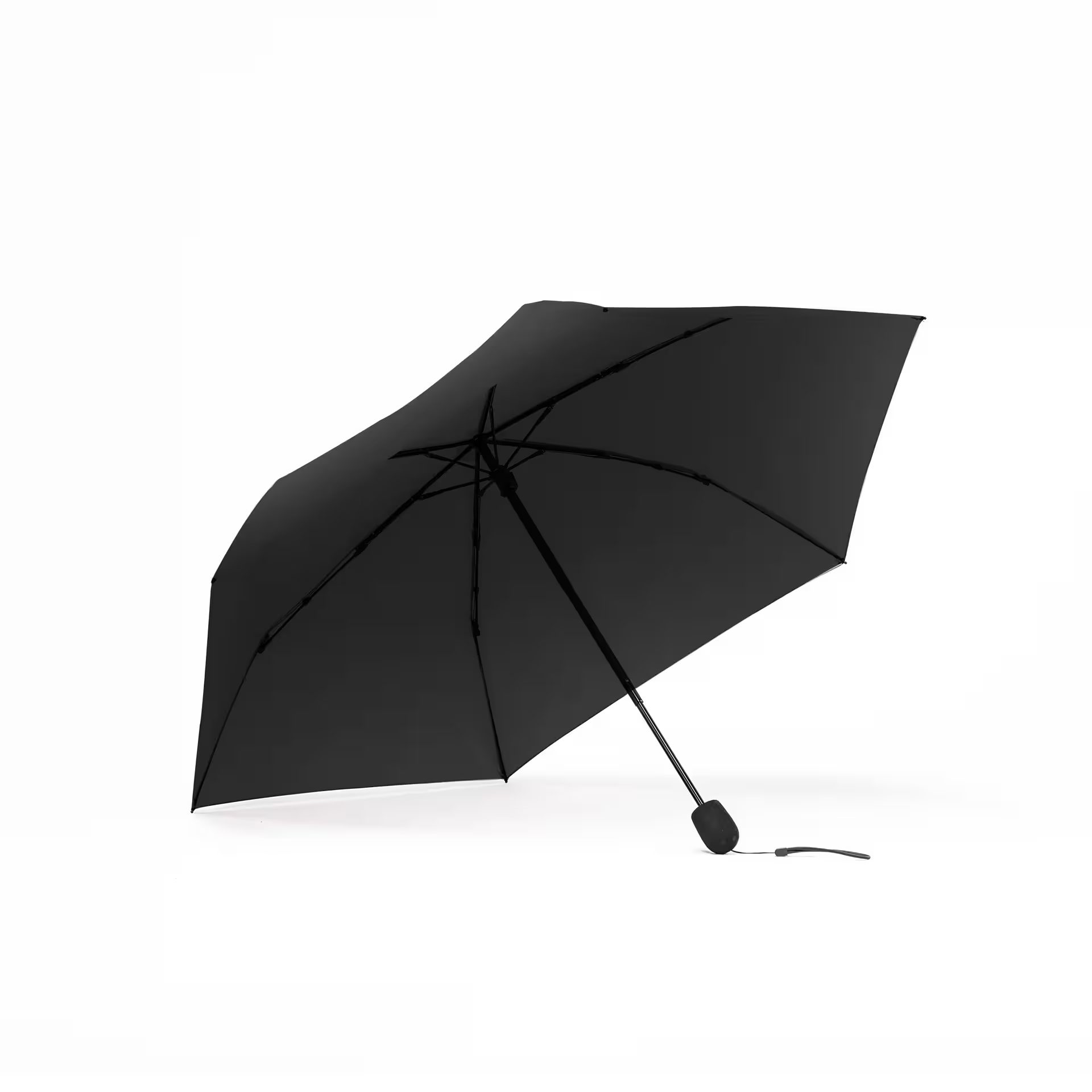
This is widely considered one of the most reliable umbrellas for harsh weather. Its unique shape is designed to cut through wind instead of resisting it, helping prevent inversion even in strong conditions .
Best for: heavy rain, windy cities, long-term durability
1. Wind resistance matters most

Modern umbrellas use vented canopies or flexible ribs to avoid breaking. Some are designed to bend instead of snap, which dramatically improves durability .
2. Size vs portability

- Compact umbrellas → easy to carry
- Full-size umbrellas → better coverage
There’s always a tradeoff between convenience and protection.
3. Frame construction
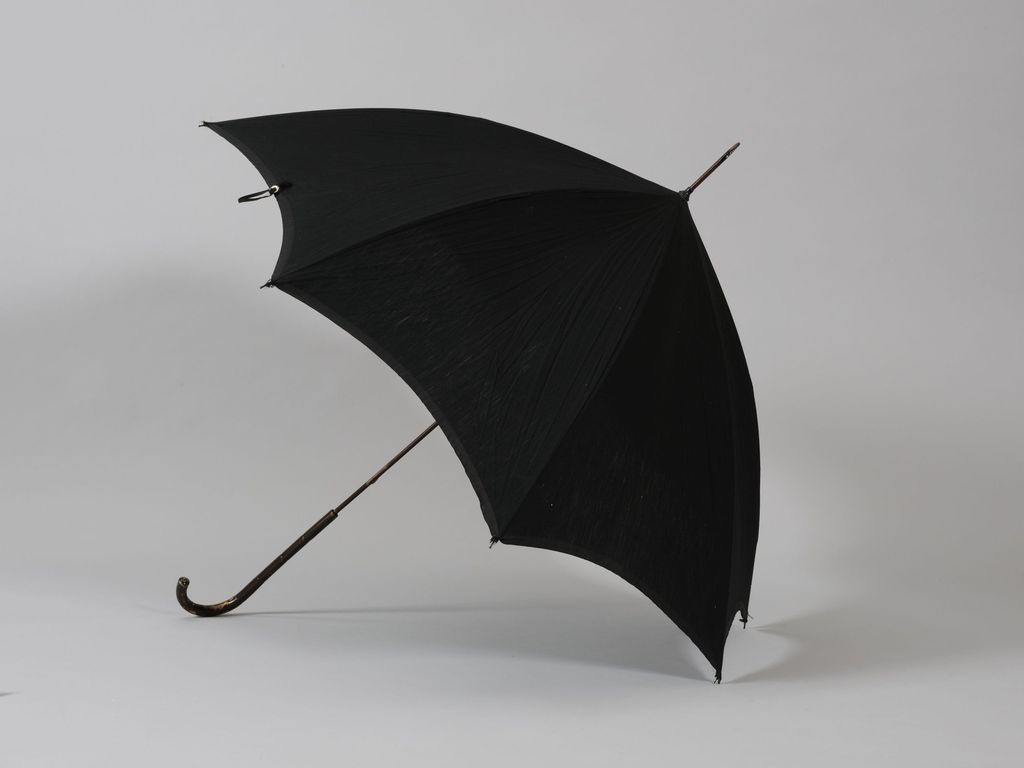
Better umbrellas use:
- Fiberglass ribs
- Reinforced joints
- Double-canopy designs
These features prevent failure in strong weather.
4. Ease of use

Auto open/close features make a big difference for daily convenience—especially when entering buildings or cars.
Which umbrella should you choose
- Want maximum durability → Senz storm umbrella
- Need something portable → TUMELLA travel
- Want full rain protection → G4Free golf umbrella
- Need cheap and simple → 24 ribs folding umbrella
- Want style + function → Duckhead compact
Final takeaway
The best umbrella isn’t just about rain—it’s about reliability when the weather gets bad. Cheap umbrellas often fail when you need them most, while better-designed ones are built to handle wind, last longer, and perform consistently.
If you use an umbrella regularly, it’s usually worth investing in one that won’t flip, break, or disappoint the moment the weather turns.


