
How Graphic Tees Are Evolving in Fashion and Culture
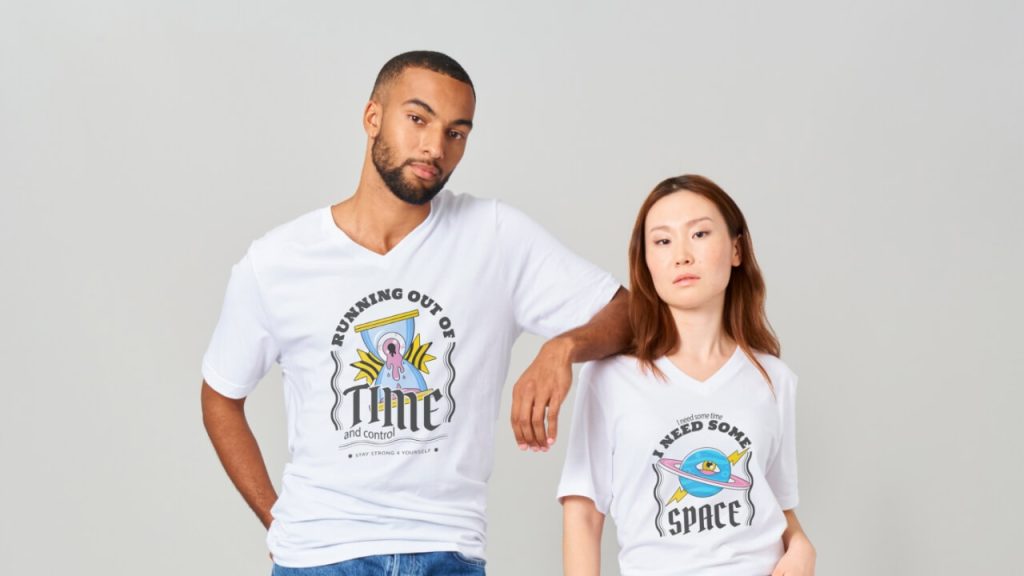
Graphic T-shirts are no longer just casual basics. Today, they’re a canvas for self-expression, social commentary, brand identity, and artistic innovation. From streetwear culture to sustainable fashion, graphic tee design continues to adapt and reflect broader trends in art, technology, and consumer values.
This article explores the latest trends shaping graphic T-shirt design, why they resonate with buyers, and how brands and designers are pushing creative boundaries.
The Rise of Nostalgia and Retro Revival
Nostalgia has become a dominant force in fashion. Graphic T-shirts featuring retro logos, old school fonts, and 80s-90s pop culture imagery appeal to consumers’ emotional connections to the past.
Elements include:
- Vintage band logos
- Classic cartoon characters
- Retro color palettes
- Old-school typography
These designs tap into cultural memory and offer timeless appeal.
Minimalism and Subtle Graphics
Not all trends favor loud prints. Minimalism has surfaced as a powerful counterpoint, emphasizing simplicity and refined aesthetics.
Key features of minimalist graphic T-shirts:
- Clean lines
- Limited color palettes
- Small, centered graphics
- Simple typography
Minimalist designs appeal to consumers seeking understated yet stylish options.
Strong Typographic Statements
Typography has become a dominant design element. Graphic tees with bold statements, powerful quotes, or expressive type treatments are trending.
Popular typographic trends include:
- Hand-drawn lettering
- Layered type effects
- Mix of serif and sans-serif fonts
- Big, bold headline text
These designs communicate attitude and personality without relying heavily on imagery.
Social and Environmental Messaging
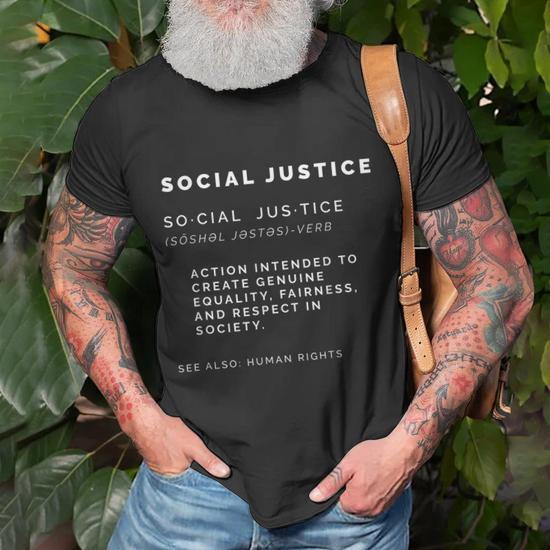
Consumers increasingly expect fashion to reflect values. Graphic T-shirts have become a platform for messaging on:
- Social justice
- Climate action
- Equality and inclusion
- Mental health awareness
These tees resonate emotionally and often support community or activist movements.
Eco-Friendly and Sustainable Graphics
Sustainability is influencing both materials and design. Eco-friendly graphic tees use recycled fabrics, water-based inks, and nature-inspired visuals.
Sustainable graphics often feature:
- Earth tones
- Botanical illustrations
- Recycle and conservation symbols
- Predominantly organic themes
Brands are using design to reinforce sustainability commitments.
Illustrative Art and Hand-Drawn Designs
Illustrative graphics add a personal, artistic touch. Hand-drawn art conveys craft, creativity, and uniqueness — setting tees apart from generic images.
Styles gaining traction include:
- Sketchy line art
- Ink illustrations
- Watercolor textures
- Abstract figures and shapes
These designs appeal to art lovers and independent labels.
Maximalist and Collage Graphics
At the opposite end from minimalism, maximalism embraces boldness. Designs layer multiple elements — photos, text, patterns — to create a visually rich statement.
Features include:
- Mixed media effects
- Photo collages
- Vibrant, saturated colors
- Complex compositions
Maximalist tees are eye-catching and expressive.
Cultural Fusion and Global Influences
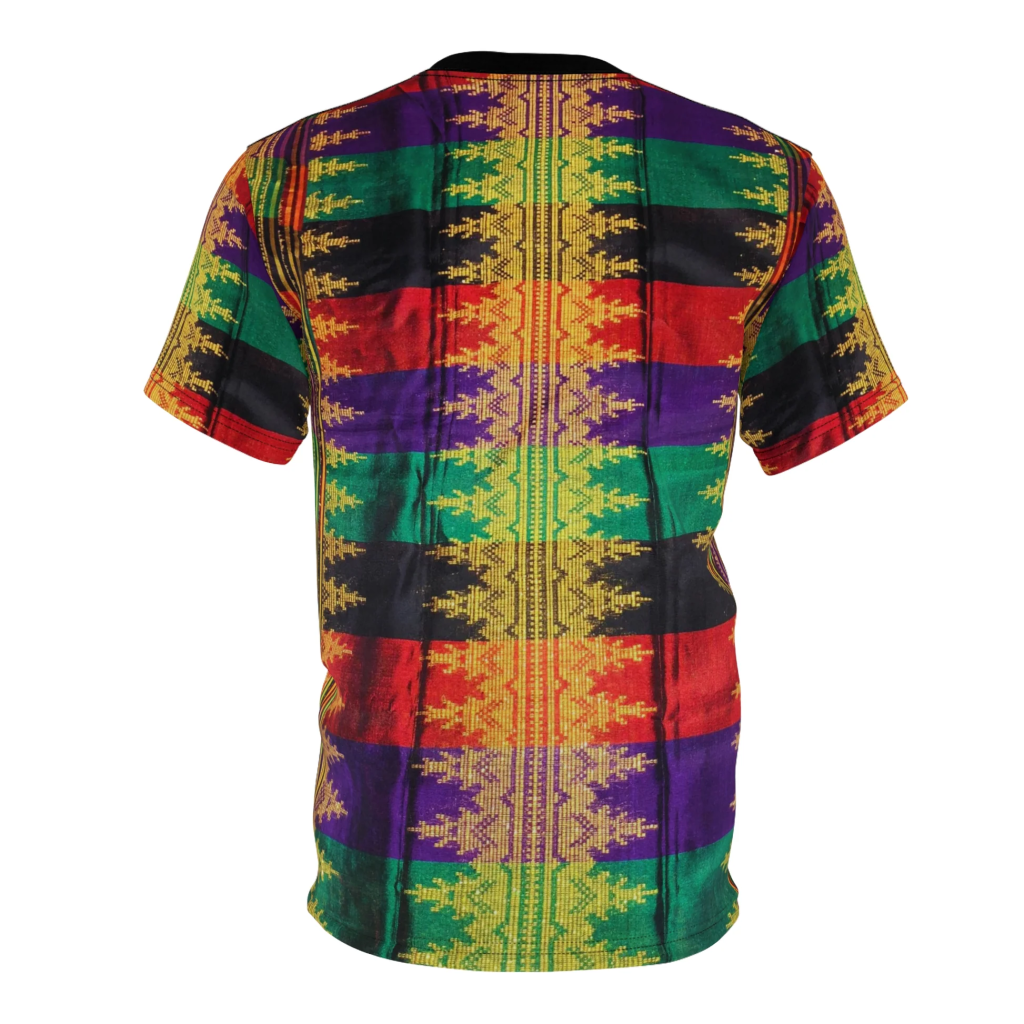
Graphic T-shirt design is increasingly influenced by global aesthetics. Designers borrow patterns, symbols, and art styles from:
- Indigenous art
- Asian calligraphy
- African motifs
- Latin American colorways
This trend celebrates cultural diversity and global creativity when done respectfully and with proper acknowledgment.
Retro Gaming and Tech Nostalgia
Gaming culture has a strong impact on graphic tees. Classic game graphics, pixel art, and code-inspired designs attract fans of tech nostalgia.
Popular elements include:
- 8-bit graphics
- Vintage game logos
- Console iconography
- Gaming phrases and jokes
This trend resonates with younger consumers and lifelong gamers alike.
Pop Culture Crossovers
Collaborations between fashion brands and entertainment franchises have influenced graphic T-shirt trends. Tee designs now include:
- TV and movie references
- Comic and anime graphics
- Music iconography
- Celebrity fan art
Pop culture tees generate buzz and often become collectible items.
Augmented Reality and Interactive Graphics
Technology is creating interactive graphic T-shirt experiences. Augmented reality (AR) compatible designs allow users to scan graphics with a smartphone, unlocking:
- Animated visuals
- Hidden messages
- Exclusive digital content
- Virtual try-ons
AR tees blend physical fashion with digital engagement.
Personalized and Custom Graphics
Personalization continues to grow. Consumers want T-shirts that reflect their names, interests, or custom artwork.
Popular customization options:
- Name or monogram graphics
- Custom slogans or dates
- Photos or personal art
- On-demand printing
Custom tees offer uniqueness and emotional value.
Artistic Photography and Graphic Collages
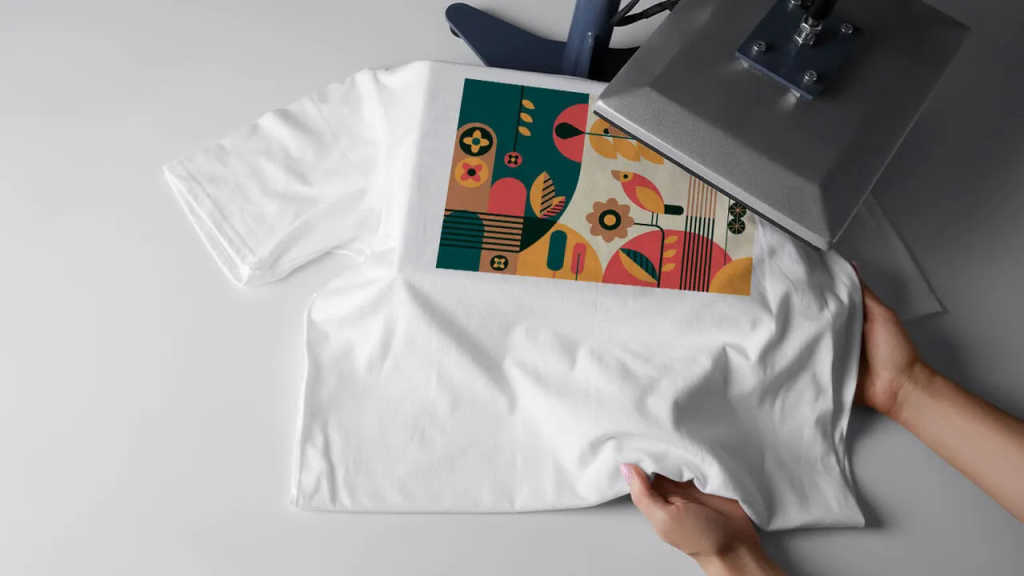
Photography-based graphics are trending, especially black-and-white or stylized images. Designs often blend photography with text or drawing for layered visual impact.
Elements frequently used include:
- Portraits
- Landscapes
- Abstract photography
- Double exposures
These tees feel like wearable art.
Retro Sports and Vintage Athletic Graphics
Vintage sports graphics — old team logos, classic mascots, and 70s/80s athletic designs — are reemerging. These tees appeal to fans of retro aesthetics and nostalgia.
Authentic vintage graphics often emphasize:
- Slightly faded colors
- Classic typography
- Simple team imagery
This trend blends fashion with sports heritage.
Humor and Meme-Driven Graphics
Humor remains a powerful motivator. Meme-inspired designs, visual puns, and quirky slogans connect with audiences that appreciate irony, wit, and internet culture.
These designs are timely, shareable, and often generate social media buzz.
Bold Color Blocking and Gradient Graphics
Color trends in graphic tees include bold combinations and gradients that add visual energy. Gradients, geometric patterns, and contrasting blocks elevate simple designs.
Color trends include:
- Vibrant neon hues
- Earth tone palettes
- Soft pastels with contrast
- Chromatic gradients
These approaches make graphics more dynamic.
Tie-Dye and Textured Visuals
Tie-dye remains a major influence, especially when combined with printed graphics. Textured patterns add visual depth and a handcrafted feel.
Tie-dye and texture trends include:
- Watercolor effects
- Acid wash visuals
- Marbled prints
- Subtle background textures behind graphics
These elements add tactile character.
Eco Messaging and Ethical Statements
More consumers seek purpose-driven fashion. Graphic tees with eco messages, ethical statements, climate awareness, and calls for action resonate deeply with conscientious buyers.
These designs reinforce:
- Brand values
- Personal belief systems
- Shared social priorities
Purpose-driven graphics build emotional connection.
The Role of Streetwear Culture
Streetwear continues to shape graphic tee design. This influence is visible through:
- Bold iconography
- Limited edition drops
- Brand collaborations
- Experimental typography
Streetwear tees blend fashion, music, and lifestyle culture.
Design Tools and Digital Creativity
Advances in design software and tools have democratized tee creativity. Designers can now:
- Create vector art easily
- Experiment with layered effects
- Preview mockups instantly
- Use generative tools for rapid ideation
Technology empowers both independent artists and brands.
Sustainability of Graphic Tee Production
Beyond design aesthetics, production sustainability is a rising trend. Innovations include:
- Water-based inks
- Organic or recycled fabrics
- Low-impact dyeing processes
- On-demand printing
Sustainable production aligns with consumer expectations and ethical fashion movements.
How Trends Impact Consumer Purchase Decisions
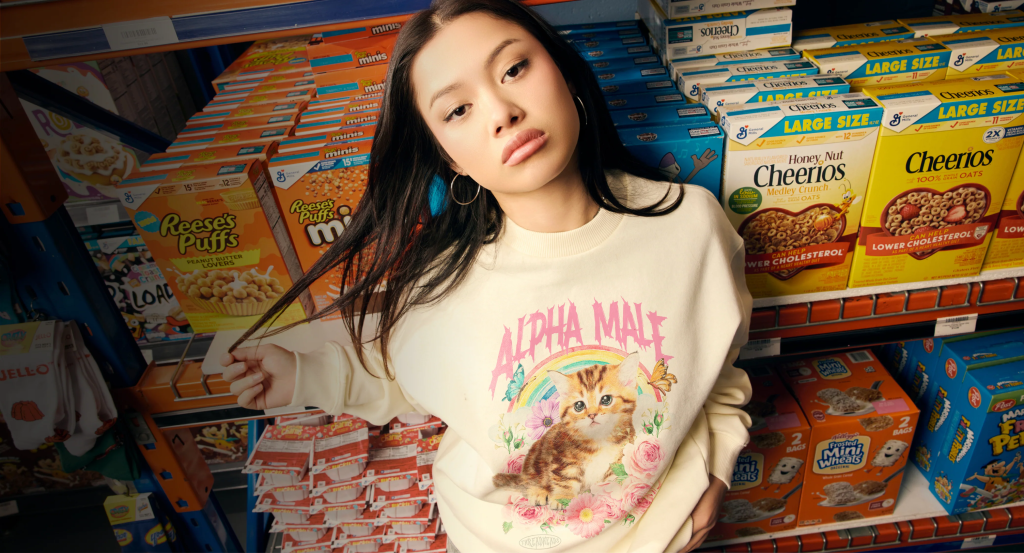
Consumers today don’t just buy T-shirts — they buy meaning. Trends influence purchase decisions by offering:
- Cultural relevance
- Personal identity expression
- Emotional resonance
- Social or environmental values
Brands that align graphics with consumer trends increase engagement and sales.
Final Thoughts
The world of graphic T-shirt design is vibrant, dynamic, and deeply connected to cultural, technological, and social trends. From nostalgia and minimalism to interactive AR graphics and purpose-driven messaging, today’s trends reflect evolving consumer priorities and creative innovation.
For designers and brands, understanding these trends — and how they resonate with audiences — is key to creating compelling graphic T-shirts that stand out in a crowded market.
Graphic T-shirts remain not just fashion items, but powerful tools of expression, identity, and cultural connection — and their evolution continues to shape the industry.


