
The Best Baby Monitors for Peace of Mind, Safety, and Better Sleep
Discover the best baby monitors for modern parents, including Wi-Fi, non-Wi-Fi, video, audio, smart, and budget-friendly options. Learn what features matter before you buy.
Why the Right Baby Monitor Matters
Choosing the best baby monitor is one of the most practical decisions new parents can make. When your baby is sleeping in another room, even a few minutes of uncertainty can feel stressful. A good baby monitor helps you hear, see, and check on your baby without opening the door, turning on the lights, or disturbing their rest.
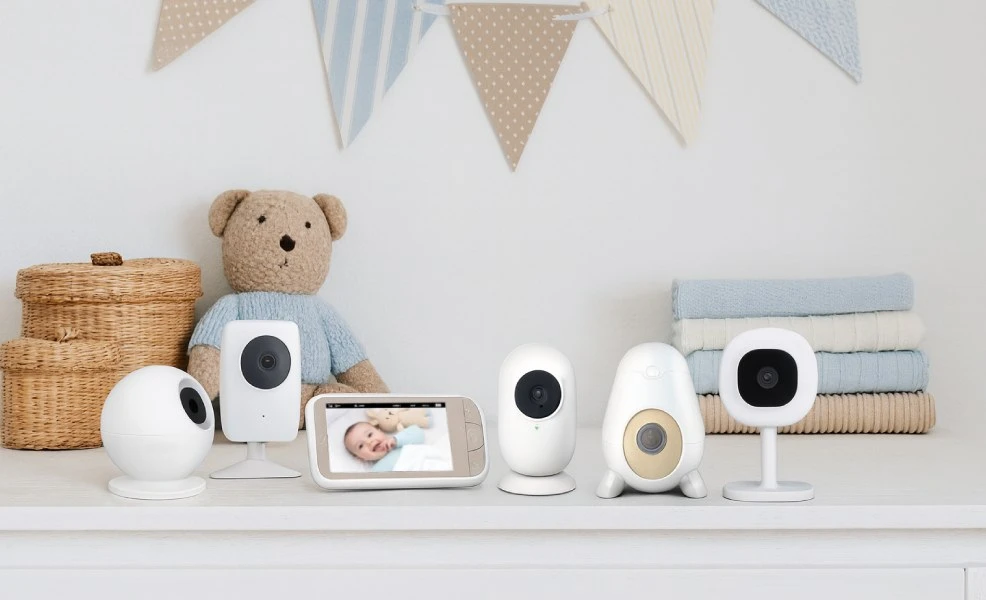
Today’s baby monitors are more advanced than ever. Some offer clear video, night vision, two-way talk, room temperature alerts, lullabies, breathing motion features, sleep tracking, and smartphone access. Others keep things simple with a private, non-Wi-Fi connection and a dedicated screen. The best choice depends on your home, budget, parenting style, and comfort level with technology.
This guide will help you understand what to look for, which baby monitor type may be best for your needs, and how to choose one that gives peace of mind without overwhelming you with unnecessary features.
What Is a Baby Monitor?
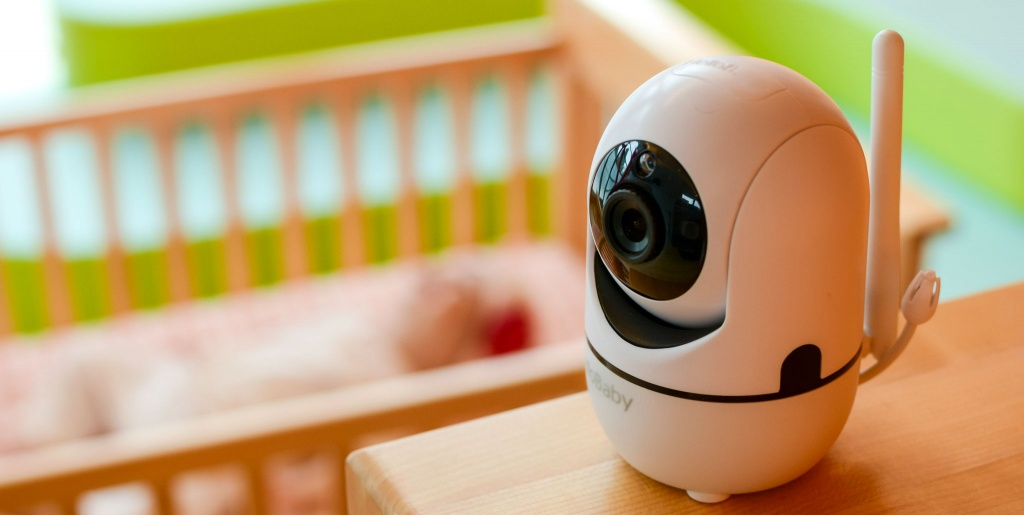
A baby monitor is a device that helps parents or caregivers listen to or watch a baby from another room. Traditional baby monitors were audio-only, meaning parents could hear crying, movement, or other sounds. Modern baby monitors often include video cameras, night vision, movement alerts, smartphone apps, and two-way communication.
A baby monitor is not a replacement for safe sleep practices or regular supervision. Instead, it is a helpful tool that gives parents extra awareness. It can be especially useful in larger homes, during naps, at night, or when another caregiver is watching the baby.
Best Overall Baby Monitor: Non-Wi-Fi Video Monitor
For many parents, the best overall baby monitor is a non-Wi-Fi video monitor with a dedicated parent screen. This type is popular because it is simple, private, and easy to use. You do not need to connect it to your home internet, download an app, or rely on your phone battery.
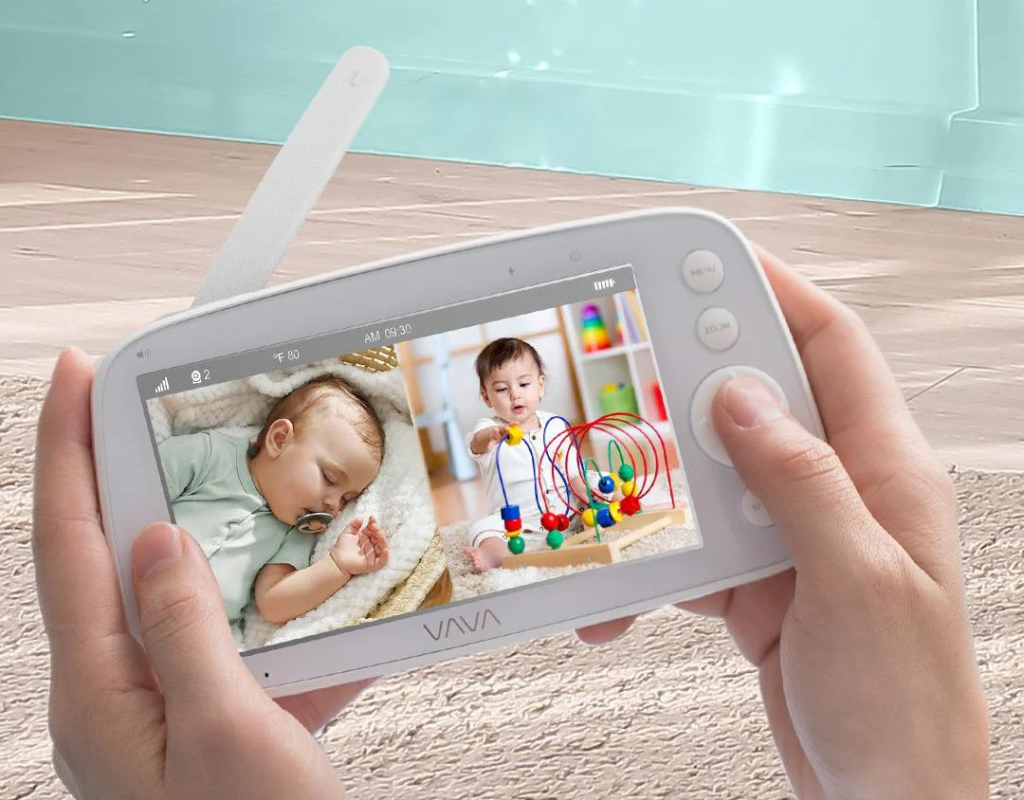
A strong non-Wi-Fi baby monitor usually includes a clear screen, night vision, two-way talk, zoom, volume control, and good battery life. Some models also offer pan-and-tilt camera movement, temperature alerts, and the option to add extra cameras.
This is a great choice for parents who want a reliable monitor that works right out of the box. It is also ideal for families who prefer privacy because the camera signal stays within the monitor system instead of streaming through the internet.
Best for: Parents who want privacy, simplicity, and dependable everyday monitoring.

Best Smart Baby Monitor: Wi-Fi Baby Monitor
A Wi-Fi baby monitor is a good option for parents who want advanced features and remote access. These monitors connect to an app, allowing you to check the camera feed from your smartphone. This can be helpful if you are away from home while a trusted caregiver is with the baby.
Smart baby monitors may include sleep analytics, motion alerts, cry detection, breathing motion tracking, cloud storage, multiple user access, and high-definition video. Some models also offer split-screen viewing for families with more than one child.
However, smart monitors usually require more setup. You may need a strong Wi-Fi connection, a secure password, app updates, and sometimes a subscription for advanced features. For parents who love technology and want more insight into sleep patterns, a Wi-Fi baby monitor can be worth considering.
Best for: Tech-friendly parents who want app access, sleep insights, and advanced smart features.
Best Budget Baby Monitor: Basic Video Monitor
Not every family needs an expensive smart monitor. A budget video baby monitor can still provide the most important features: clear sound, basic video, night vision, and a parent screen. For many parents, that is enough.
Budget baby monitors are great for small homes, apartments, grandparents’ houses, or travel. They may not have premium image quality or advanced tracking, but they can still help you know when your baby is awake, crying, or moving.
When choosing a budget monitor, look for decent battery life, stable signal, easy controls, and a screen size that is comfortable to view. Avoid choosing based only on price. A cheap monitor is only useful if it has reliable sound and a steady connection.
Best for: Parents who want practical monitoring without spending too much.
Best Baby Monitor for Privacy: No Wi-Fi Monitor
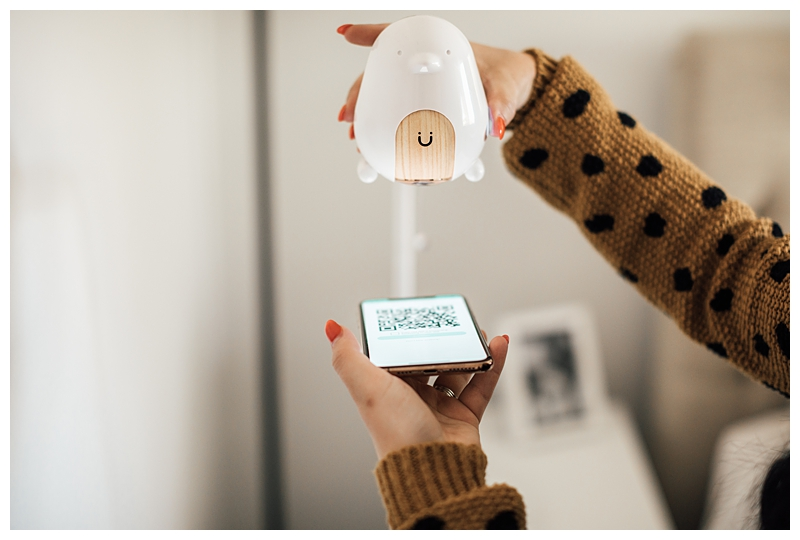
Privacy is one of the biggest concerns for modern parents. A non-Wi-Fi baby monitor can be a strong choice if you do not want your baby’s video feed connected to the internet. These monitors usually use a closed signal between the camera and the parent unit.
A no Wi-Fi monitor reduces the need for app passwords, cloud storage, or internet-based access. It is also useful in places with weak Wi-Fi or when traveling. Many parents choose this type because it feels more secure and less complicated.
The downside is that you cannot check the video feed when you are away from home. The range is also limited to the monitor’s signal strength. Still, for everyday use inside the house, a private non-Wi-Fi monitor is often one of the most dependable choices.
Best for: Parents who value privacy and want to avoid app-based monitoring.
Best Baby Monitor for Multiple Rooms: Split-Screen or Multi-Camera Monitor
Families with twins, siblings, or multiple rooms may benefit from a baby monitor that supports more than one camera. Some monitors allow split-screen viewing, while others let you switch between cameras.
This feature is useful if you have one baby in the nursery and another child in a separate bedroom or play area. It can also help if you want one camera over the crib and another camera covering the room.
Before buying a multi-camera baby monitor, check whether extra cameras are sold separately, how many cameras the system supports, and whether the screen can show more than one camera at the same time.
Best for: Families with twins, siblings, or more than one sleeping area.
Best Baby Monitor for Travel
A travel-friendly baby monitor should be compact, easy to set up, and reliable in different environments. Non-Wi-Fi monitors are often useful for travel because they do not require a hotel or relative’s Wi-Fi connection. A lightweight camera and portable parent screen make monitoring easier during overnight stays.
Look for a monitor with good battery life, simple charging, flexible camera placement, and a secure stand. If you travel often, avoid systems that require complicated wall mounting. A camera that can sit on a dresser, shelf, or portable mount will be more convenient.
Best for: Families who travel, visit relatives, or need a second monitor outside the home.
Important Features to Look For in the Best Baby Monitors
When comparing baby monitors, focus on features that make everyday use easier.
Video quality: A clear image helps you check your baby without guessing. High-definition video is helpful, but it does not need to be the most expensive resolution available.
Night vision: Babies often sleep in dark rooms, so good night vision is essential. Infrared night vision allows you to see your baby without turning on bright lights.
Audio quality: Clear sound matters just as much as video. A monitor should pick up soft cries and movement without constant static.
Battery life: The parent unit or app device should last long enough for naps and nighttime use. If the battery drains quickly, the monitor becomes less useful.
Range: A monitor should work well from your bedroom, kitchen, living room, or outdoor area if you need it.
Two-way talk: This feature allows you to speak through the monitor. It may help comfort your baby or communicate with another caregiver.
Temperature sensor: Some monitors show the room temperature, which can help parents keep the nursery comfortable.
Camera movement: Pan, tilt, and zoom features make it easier to adjust the view as your baby grows and moves around.
Multi-camera support: This is useful for families with more than one child or more than one room to monitor.
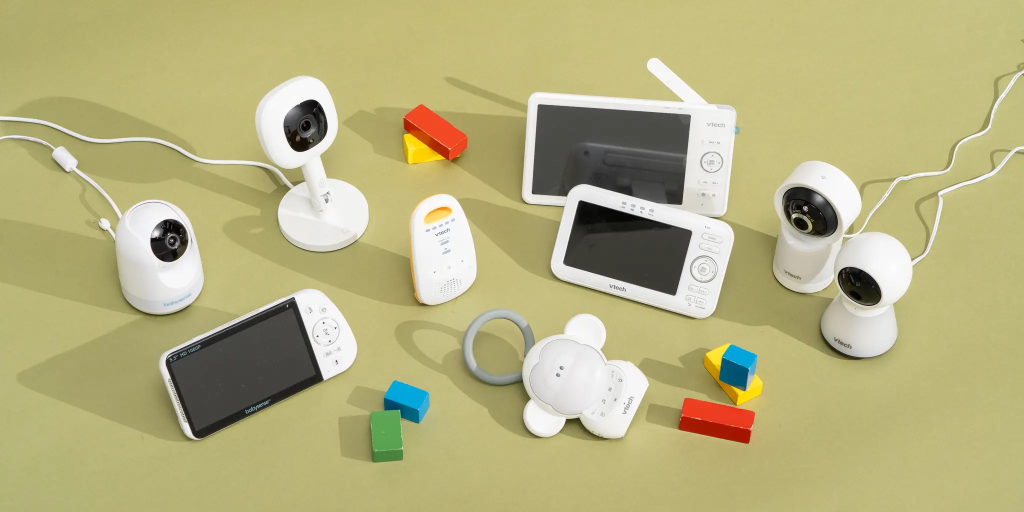
Wi-Fi vs Non-Wi-Fi Baby Monitors
One of the biggest decisions is whether to choose a Wi-Fi or non-Wi-Fi baby monitor.
A Wi-Fi baby monitor connects to your home internet and usually works through a smartphone app. It is convenient because you can check the feed from your phone, and some models offer smart features like sleep tracking, video history, and alerts.
A non-Wi-Fi baby monitor uses a dedicated signal between the camera and parent unit. It is usually simpler, more private, and not dependent on internet quality. However, you can only use it within the monitor’s range.
Choose Wi-Fi if you want remote access and smart features. Choose non-Wi-Fi if you want privacy, simplicity, and fewer setup requirements.
Baby Monitor Safety Tips
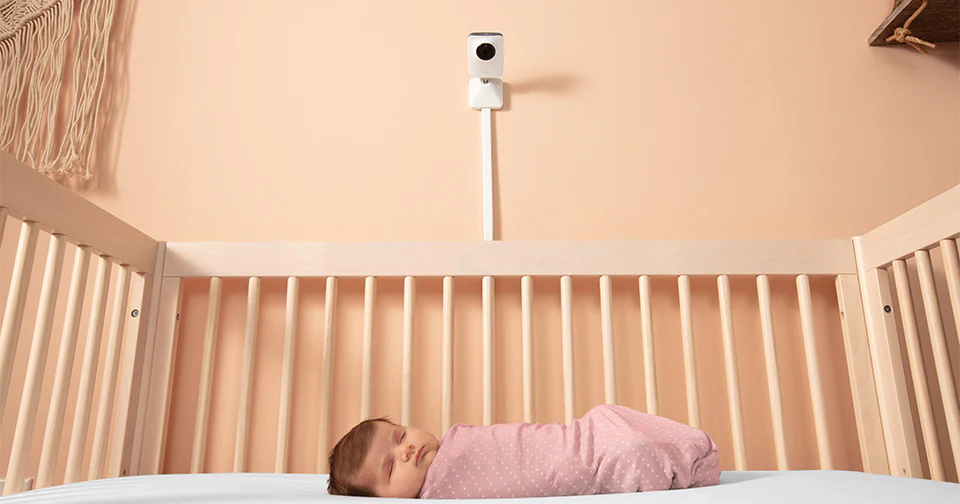
A baby monitor should always be set up safely. Place the camera where it has a clear view of the crib, but never put the monitor inside the crib or on the edge of the crib. Keep cords well away from the baby’s reach. Babies grow quickly, so a cord that seems far away today may become reachable later.
Do not place loose items, pillows, blankets, or stuffed toys in the crib just to improve the camera angle. The safest sleep space is simple, firm, and clear. A baby monitor helps you observe, but safe sleep habits are still the most important priority.
Also, avoid relying too heavily on alerts. Even the best baby monitor can lose signal, run out of battery, or miss something. Use the monitor as a support tool, not as your only safety system.
How Much Should You Spend on a Baby Monitor?
Baby monitors come in a wide range of prices. Basic audio monitors are usually the most affordable. Budget video monitors are often enough for parents who only need to see and hear their baby. Mid-range monitors may include better screens, longer battery life, pan-and-tilt cameras, and stronger range. Premium smart monitors may include app access, sleep tracking, cloud storage, and advanced alerts.
The best baby monitor is not always the most expensive. What matters most is whether it fits your real needs. If you only need to check naps in a small home, a simple video monitor may be enough. If you want remote access and sleep data, a smart Wi-Fi monitor may be worth the higher price.
Who Should Buy a Smart Baby Monitor?
A smart baby monitor is best for parents who want more than basic video. It may be helpful if you want to view the nursery from your phone, share access with another caregiver, track sleep patterns, or receive motion and sound alerts.
However, smart monitors can come with extra costs. Some features may require a subscription. You should also keep the app updated, use a strong password, and secure your home Wi-Fi network.
A smart baby monitor is a great choice for convenience, but it should be chosen carefully.
Who Should Buy a Simple Baby Monitor?
A simple baby monitor is best for parents who want fewer distractions. Many parents do not need sleep charts, cloud video, or app notifications. They just want to hear and see their baby clearly.
A basic video monitor can be less stressful because it has one job: show you what is happening in the nursery. It is also a good option for grandparents, babysitters, or caregivers who may not want to use an app.
Recommended Baby Monitor Buying Checklist
Before buying a baby monitor, ask these questions:
- Do I want Wi-Fi or non-Wi-Fi?
- Do I need video, or is audio enough?
- Is the night vision clear?
- How long does the battery last?
- Is the screen easy to see?
- Does the monitor have a strong range?
- Can I add more cameras later?
- Is the app secure and easy to use?
- Are important features locked behind a subscription?
- Can I place the camera safely away from the crib?
This checklist will help you avoid buying a monitor that looks impressive but does not match your daily routine.
Final Verdict: What Is the Best Baby Monitor?
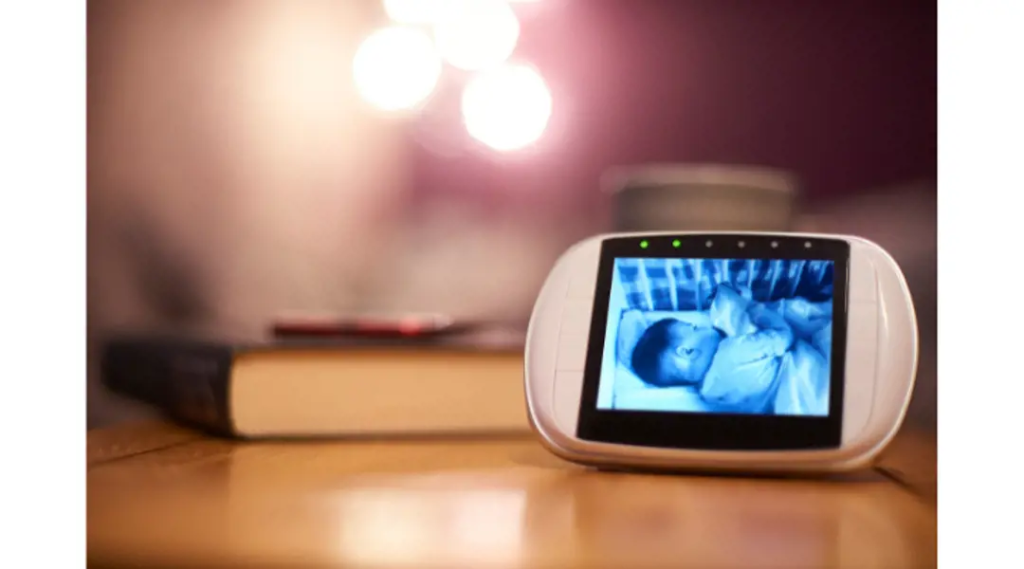
The best baby monitor depends on your family’s needs. For most parents, a reliable non-Wi-Fi video monitor with clear sound, night vision, good range, and a dedicated screen is a strong all-around choice. It is private, easy to use, and dependable for everyday monitoring.
For tech-loving parents, a Wi-Fi smart baby monitor can be a better fit because it offers app access, alerts, sleep insights, and remote viewing. For families on a budget, a basic video monitor can still provide peace of mind without the high price.
The most important thing is to choose a baby monitor that makes parenting easier, not more complicated. A good baby monitor should help you rest, respond, and feel more confident while your baby sleeps safely.
Frequently Asked Questions About Baby Monitors
Do I really need a baby monitor?
A baby monitor is helpful if your baby sleeps in a different room, if you live in a larger home, or if you want to check naps without entering the nursery.
Is a Wi-Fi baby monitor safe?
A Wi-Fi monitor can be safe when properly secured. Use a strong password, update the app and firmware, and avoid default login details.
Is a non-Wi-Fi baby monitor better?
A non-Wi-Fi monitor is better for parents who want privacy and simple setup. It does not offer remote viewing, but it is usually easier to use.
Can a baby monitor prevent SIDS?
No. A baby monitor cannot prevent SIDS. Parents should still follow safe sleep recommendations and use the monitor only as a support tool.
Where should I place a baby monitor?
Place it where it has a clear view of the baby, but keep the camera and cords away from the crib and out of reach.
Affiliate Disclosure
This article may contain affiliate links. If you purchase through these links, the publisher may earn a small commission at no extra cost to you. Product prices, availability, and features may change, so always check the latest details before buying.
Conclusion
Finding the best baby monitor is about matching the product to your lifestyle. Some parents want smart technology and remote access. Others want a simple, private monitor that works without Wi-Fi. Some families need multiple cameras, while others only need one dependable screen.
No matter which baby monitor you choose, focus on safety, reliability, clarity, and ease of use. The right monitor can give parents more peace of mind, help caregivers respond faster, and make daily routines more comfortable. A baby monitor is not just a gadget—it is a practical tool that supports calmer nights, safer naps, and more confident parenting.


