
A Comprehensive Guide for Savvy Property Investors

Dubai’s real estate market has attracted global attention over the past two decades. Known for its world-class infrastructure, thriving business environment, and dynamic expatriate population, Dubai continues to be a top destination for property investment.
Among the most sought-after segments is villa ownership — standalone luxury homes that offer space, privacy, and premium lifestyle. But is investing in a villa in Dubai a smart financial move? This article explores the key factors that influence investment potential, risks, returns, and long-term considerations.
What Makes Dubai Real Estate Unique?
Dubai differs from many global property markets in several ways:
- Strategic location between East and West
- Stable political and economic environment
- No personal income tax or capital gains tax
- High rental demand from expatriates
- World-class amenities and lifestyle appeal
These factors combine to create a real estate ecosystem that is both dynamic and attractive to both local and international investors.
Understanding Villa Market Demand
Villas in Dubai cater to a specific niche: families, high-net-worth individuals, and expatriates looking for long-term residency. Demand drivers include:
- Desire for space and privacy
- High quality of life and community living
- High expat population with long-term residence visas
- Schools, healthcare, and lifestyle amenities nearby
Unlike apartments, which attract single professionals and short-term rentals, villas often command higher rents and more stable tenancy.
Potential Financial Benefits of Investing in a Villa
Capital Appreciation Over Time
Dubai’s real estate has experienced periods of significant price appreciation. While markets fluctuate, luxury properties — including villas — tend to retain value and appreciate over the long term due to limited supply and high demand in premium communities.
Historical data shows that well-located villa communities often outperform broader market averages.
High Rental Income Potential
Dubai remains a rental-driven market. Non-citizens often prefer renting over buying, creating steady demand for quality rental properties.
Villas can command:
- Premium monthly rents compared to apartments
- Long-term leases with stable tenants
- Higher yield in established communities
Rental yields for villas in prime locations can range from moderate to high, depending on amenities, proximity to business hubs, and community reputation.
Tax Advantages
Dubai has historically offered no personal income tax, no property tax, and no capital gains tax for individual investors. This tax-friendly regime enhances net returns and makes long-term holding more financially attractive.
However, it is important to understand local laws and any updates to tax policy before investing.
Visa and Residency Benefits
Certain property investment thresholds in Dubai may qualify investors and their families for residency visas. This creates both lifestyle and financial incentives for international buyers.
These residency options add a compelling benefit beyond pure financial return.
Risks and Considerations Before Investing
Market Volatility and Cycles
Property markets naturally fluctuate. Dubai has experienced cycles of price growth and correction. Investors should understand that short-term price drops can occur, and holding periods should often be long-term (5–10+ years) to smooth market cycles.
Liquidity and Transaction Costs

Real estate is a relatively illiquid asset compared to stocks or bonds. Selling a villa quickly may not always be possible without price concessions. Transaction costs, such as agent fees, transfer fees, and registration charges, should also be factored into investment returns.
Rental Market Competition
While rental demand is strong, competition exists. Supply levels in some communities may impact how quickly a property rents and at what price. Understanding the local rental ecosystem is crucial to setting realistic income expectations.
Ongoing Maintenance and Ownership Costs
Owning a villa means ongoing expenses, including:
- Community service charges
- Property maintenance
- Repairs and landscaping
- Insurance
These costs affect net income and should be included in investment calculations.
Key Factors That Influence Villa Investment Success
Location and Community
Prime villa locations include areas such as:
- Arabian Ranches
- Emirates Hills
- Palm Jumeirah
- Jumeirah Golf Estates
- Dubai Hills Estate
These communities offer lifestyle appeal, strong demand, and established infrastructure, which support long-term property value.
Property Design and Amenities
Villas with modern design, outdoor space, private gardens, and quality finishes attract premium buyers and tenants. Investment appeal increases when properties offer lifestyle benefits such as shared parks, pools, and security.
Macro Economic Conditions
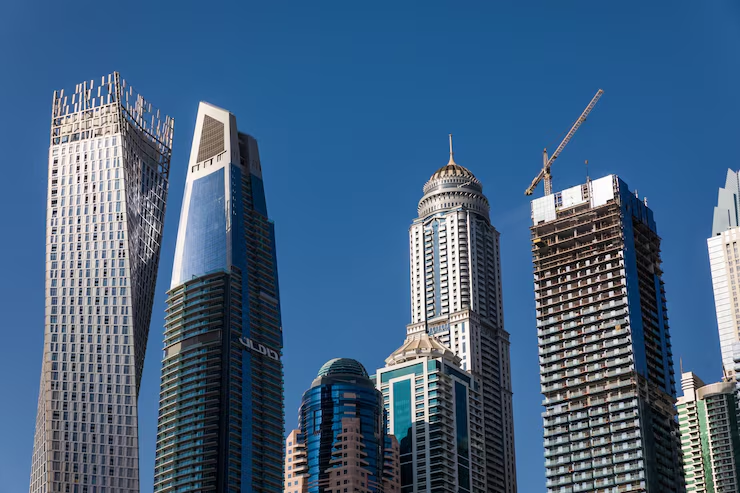
Global economic trends, interest rate shifts, and foreign exchange movements can influence investor confidence and capital flows. Staying informed on economic indicators helps investors time entry and exit decisions.
Comparing Villa Investments to Other Property Types
Villas vs. Apartments
| Feature | Villas | Apartments |
|---|---|---|
| Space | Larger indoor/outdoor areas | Compact living spaces |
| Rent | Higher potential | More demand among singles |
| Tenant Types | Families, long-term tenants | Professionals, short-term |
| Appreciation | Often more stable | Variable |
| Maintenance | Higher cost | Lower cost |
| Price | Higher upfront | Lower entry point |
While apartments may deliver higher turnover and easier management, villas offer premium rental cash flow and lifestyle demand, especially in family-centric markets.
Financing and Payment Structures
Foreign buyers can obtain financing in Dubai, though lending requirements, down payments, and interest rates may vary by bank and nationality.
Common options include:
- Mortgages for non-resident investors
- Developer payment plans
- Cash purchases
Understanding financing terms and currency exchange risk is crucial when investing internationally.
Tax and Legal Considerations
Dubai’s tax structure is favorable, but investors must understand:
- Residency eligibility criteria
- Property transfer and registration costs
- Local ownership laws (freehold vs. leasehold)
- Estate planning implications
Consulting with legal and tax professionals ensures clarity and compliance.
How to Evaluate a Villa Investment
Perform Due Diligence
Important steps include:
- Structural and condition inspection
- Title and lien search
- Community and future development analysis
- Rental market study
These factors impact both investment risk and long-term return potential.
Case Studies: Villa Investment Scenarios
Scenario A — Long-Term Appreciation
An investor purchases a villa in a community with improving infrastructure, holds for ten years, and benefits from price appreciation driven by scarcity and luxury demand.
Scenario B — Rental Income Strategy
Another investor uses rental income to cover holding costs while property value increases over time. This strategy depends on strong rental demand and competitive pricing.
Maximizing Returns on Your Investment
Professional Property Management
Engaging professional property management ensures:
- Timely tenant placement
- Maintenance coordination
- Rental pricing optimization
- Compliance with local regulations
Management support enhances passive income and reduces hands-on involvement.
Renovations and Value Enhancements
Renovating kitchens, bathrooms, and outdoor spaces can increase a villa’s rental appeal and resale value. Upgrades should align with market preferences and community standards.
Outlook for Dubai’s Villa Market
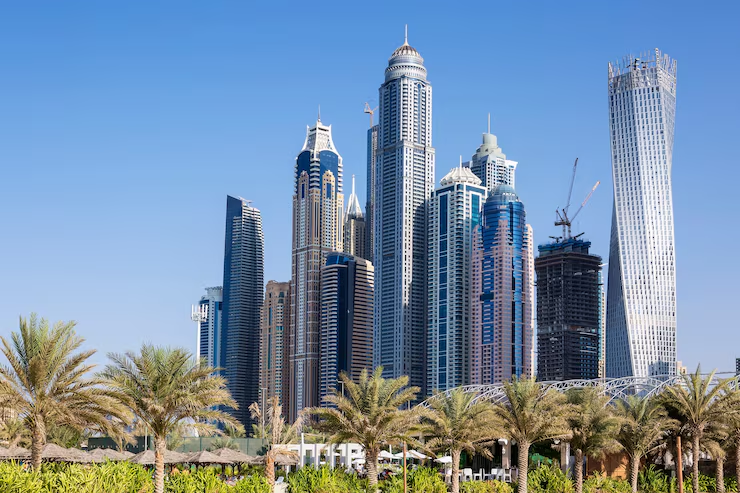
Dubai continues to attract global capital, expatriates, and long-term residents. With ongoing economic diversification and major events drawing attention, the real estate market — including villas — remains resilient.
Analysts point to demand stability in premium communities and incremental price growth over time, particularly where supply is controlled and infrastructure is strong.
Final Thoughts
Investing in a villa in Dubai can be a smart financial move for many buyers, but success requires careful research, realistic expectations, and a long-term perspective.
Key takeaways include:
- Strong demand for quality villa rentals
- Potential for capital appreciation
- Favorable tax and residency incentives
- Importance of location and management
- Consideration of ongoing costs
For investors seeking a combination of lifestyle appeal, rental income, and long-term growth, Dubai villas remain a compelling option when considered thoughtfully.