
Why Choosing the Right Tires Matters More Than You Think
Tires are the only part of your vehicle that touches the road — yet they’re often the most misunderstood. Many drivers choose tires based on price, brand familiarity, or whatever happens to be in stock. The result? Reduced safety, higher fuel costs, and faster wear.
Choosing the right tires isn’t just about size. It’s about performance, safety, comfort, and long-term value. When you understand how tires are designed and what different features actually do, you make smarter decisions that protect both your vehicle and your wallet.
This guide breaks down everything you need to know about selecting the right tires for your vehicle — clearly, practically, and without unnecessary jargon.
Understanding Your Driving Needs First
Before comparing brands or prices, the most important step is understanding how and where you drive.
Ask yourself:
- Do you drive mostly in the city or on highways?
- Do you experience rain, snow, or extreme heat?
- Do you prioritize comfort, performance, or longevity?
- Is your vehicle used for commuting, hauling, or leisure driving?
Tires are engineered for specific conditions. Choosing the wrong type can compromise handling, braking, and durability.
Tire Size Explained Simply
Every vehicle has a recommended tire size set by the manufacturer. You’ll find it:
- On the driver-side door frame
- In the owner’s manual
- On the current tire’s sidewall
A typical tire size looks like this: 225/55R17
What it means:
- 225: Tire width in millimeters
- 55: Aspect ratio (sidewall height)
- R: Radial construction
- 17: Wheel diameter in inches
Using the correct size ensures proper speedometer accuracy, fuel efficiency, and handling.
All-Season, Summer, or Winter Tires
One of the most common mistakes drivers make is assuming all tires perform the same year-round.
All-Season Tires
Designed for moderate climates, all-season tires offer:
- Balanced performance
- Acceptable traction in light rain and mild snow
- Long tread life
They’re a popular choice for everyday drivers in regions without extreme weather.
Summer Tires
Summer tires are optimized for:
- Dry and wet pavement
- Enhanced grip and handling
- Shorter braking distances
However, they perform poorly in cold temperatures and snow. They’re best for performance vehicles and warm climates.
Winter Tires
Winter tires are built for:
- Snow, ice, and slush
- Cold temperatures
- Maximum traction and control
Their softer rubber stays flexible in freezing conditions, dramatically improving safety during winter months.
Touring vs Performance Tires
Beyond seasonal types, tires also differ in driving feel.
Touring Tires
Best for comfort-focused drivers, touring tires offer:
- Quiet ride
- Smooth handling
- Long tread life
Ideal for sedans, family vehicles, and commuters.
Performance Tires
Performance tires prioritize:
- Sharp steering response
- High-speed stability
- Aggressive traction
They’re commonly used on sports cars and performance-oriented vehicles.
Tread Patterns and What They Do
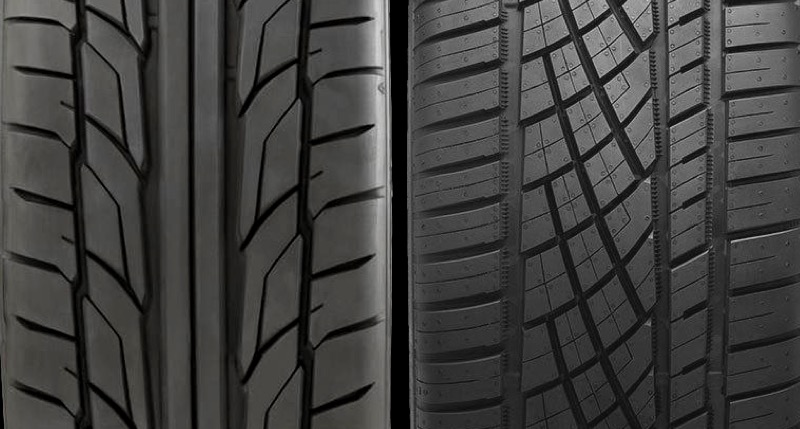
Tread design directly affects traction, noise, and water evacuation.
Symmetrical Tread
- Even wear
- Quiet operation
- Long lifespan
Common in all-season and touring tires.
Asymmetrical Tread
- Better cornering
- Improved wet traction
- Balanced performance
Often found in higher-end tires.
Directional Tread
- Excellent water displacement
- Reduced hydroplaning
- Enhanced grip in wet conditions
Must be installed correctly to function properly.
Load Index and Speed Rating Explained
These markings tell you how much weight a tire can carry and how fast it can safely travel.
Load Index
Indicates the maximum weight capacity of each tire. Choosing a lower load index than recommended can be dangerous.
Speed Rating
Common ratings include:
- S (112 mph)
- T (118 mph)
- H (130 mph)
- V (149 mph)
You don’t need racing speeds, but matching manufacturer recommendations ensures safety and performance.
How Tires Affect Fuel Efficiency
Tires influence rolling resistance — how much effort it takes for your vehicle to move.
Low rolling resistance tires:
- Improve fuel economy
- Reduce emissions
- Lower long-term costs
While they may cost more upfront, the fuel savings can offset the price over time.
Road Noise and Ride Comfort
Not all tires sound or feel the same.
Factors that affect comfort include:
- Rubber compound
- Tread pattern
- Sidewall stiffness
Drivers who prioritize quiet cabins and smooth rides should look for touring or comfort-focused tire designs.
Budget vs Premium Tires
Cheaper tires may seem appealing, but the long-term costs often tell a different story.
Premium tires typically offer:
- Better traction
- Longer tread life
- Improved safety features
Budget tires may wear faster, handle poorly in wet conditions, and cost more in replacements.
When to Replace Your Tires
Even good tires don’t last forever.
Signs it’s time to replace:
- Tread depth below 2/32 of an inch
- Cracks or bulges
- Uneven wear
- Reduced traction in wet conditions
Regular inspections help catch issues early.
Tire Maintenance Extends Tire Life
Choosing the right tire is only part of the equation. Proper maintenance makes a huge difference.
Essential habits:
- Regular tire rotations
- Correct tire pressure
- Proper wheel alignment
- Balanced installations
Well-maintained tires perform better and last longer.
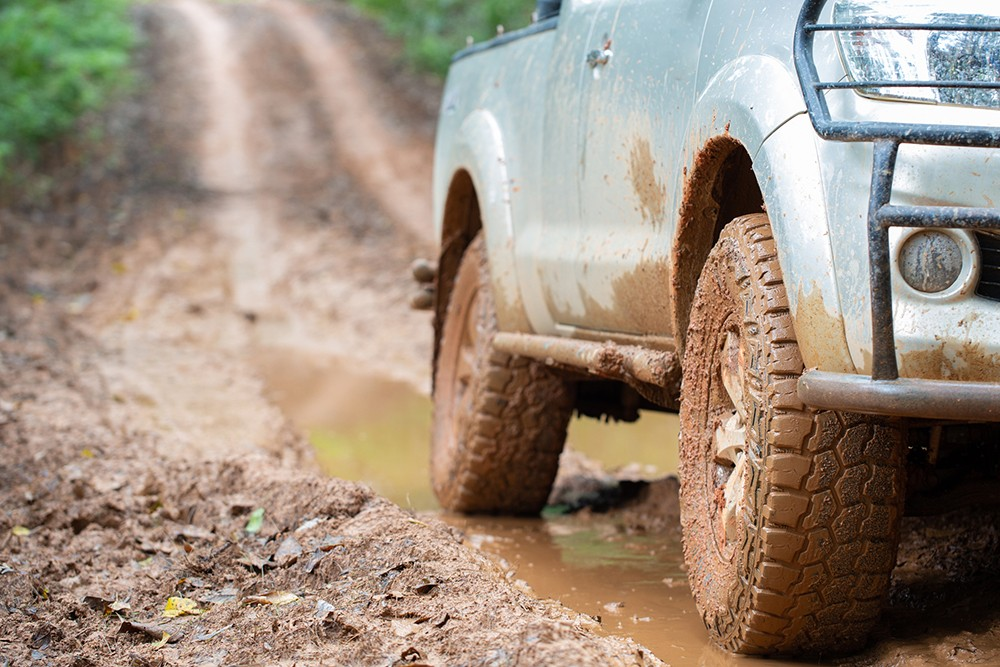
Choosing Tires for SUVs and Trucks
SUVs and trucks require tires built for:
- Heavier loads
- Higher center of gravity
- Off-road capability (if applicable)
Options include:
- Highway terrain tires
- All-terrain tires
- Mud-terrain tires
Choosing the wrong type can negatively affect handling and safety.
Why the Right Tires Improve Safety
Tires play a critical role in:
- Braking distance
- Steering response
- Stability control
- Wet weather performance
The right tires can significantly reduce accident risk, especially in poor conditions.
How Tire Choice Impacts Resale Value
Vehicles with quality tires:
- Signal proper maintenance
- Increase buyer confidence
- Reduce negotiation friction
It’s a small detail that can influence resale outcomes more than most drivers expect.
Final Thoughts
Choosing the right tires isn’t about brand hype or lowest price — it’s about matching your driving needs with the right design, size, and performance features.
When you understand what tires actually do, you drive safer, spend smarter, and enjoy a better experience behind the wheel.
The right tires don’t just move your vehicle — they protect it.