
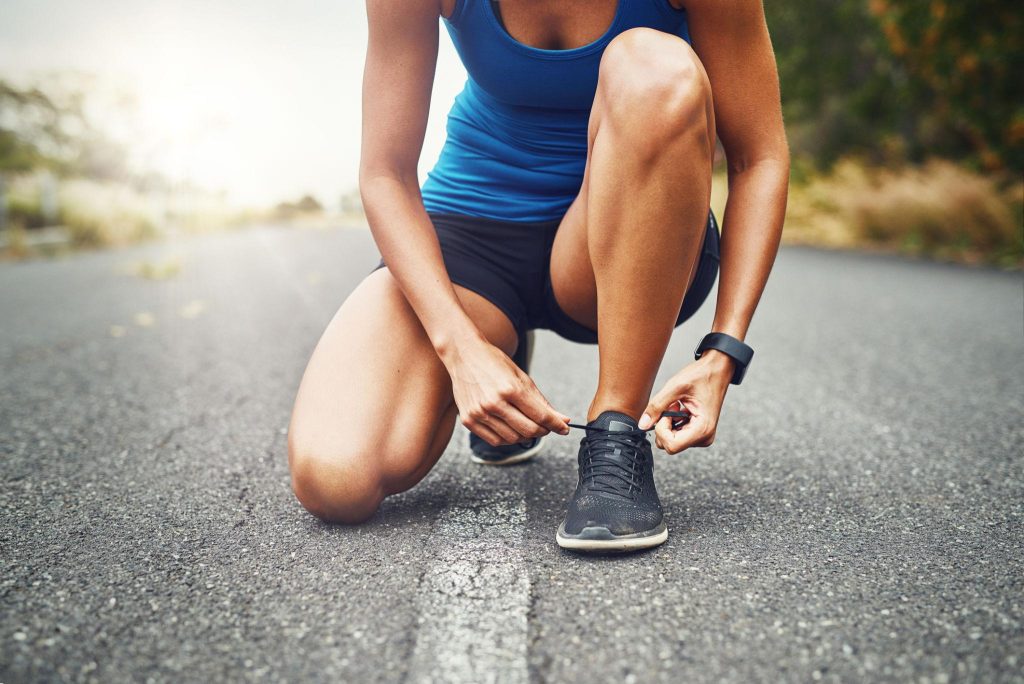
Choosing the right running shoes can make the difference between enjoying every mile and dealing with blisters, sore knees, shin splints, or constant discomfort. With hundreds of models on the market, finding the perfect pair can feel overwhelming—but focusing on a few key factors makes the process much easier.
The truth is that there is no single “best running shoe” for everyone. The ideal shoe depends on your foot shape, running style, mileage, experience level, and where you run.
According to experts from the American Academy of Podiatric Sports Medicine and Runner’s World, comfort should be the most important factor when selecting a running shoe.

Why Running Shoes Matter
Running places significant impact forces on your body.
Each step can generate forces of roughly two to three times your body weight. Good running shoes help manage those forces by providing:
- Cushioning
- Stability
- Shock absorption
- Comfort
- Traction
- Protection
Wearing the wrong shoes can lead to discomfort and may increase injury risk for some runners.
Step 1: Know Your Running Style
Before shopping, think about how and where you run.
Road Running
Most runners fall into this category.
Road-running shoes focus on:
- Cushioning
- Lightweight construction
- Smooth ride
- Pavement durability
Popular examples include:
- ASICS Gel-Nimbus 27
- Brooks Ghost 17
- New Balance Fresh Foam X 1080 v14

Trail Running
Trail shoes provide:
- Aggressive grip
- Extra protection
- Durable uppers
- Better stability on uneven terrain
Popular choices include:
- Salomon Speedcross 6
- Hoka Speedgoat 6
- Brooks Cascadia 18

Step 2: Understand Cushioning Levels
Different runners prefer different amounts of cushioning.
Maximum Cushioning
Best for:
- Long runs
- Heavier runners
- Recovery runs
- Joint comfort
Popular examples:
- Hoka Bondi 9
- ASICS Gel-Nimbus 27

Benefits
- Softer landings
- Comfortable long runs
- Reduced impact feel
Moderate Cushioning
Best for:
- Most runners
- Daily training
- Versatility
Popular models:
- Brooks Ghost 17
- Saucony Ride 18
These shoes balance comfort and responsiveness.
Step 3: Neutral vs Stability Shoes
This is one of the most misunderstood topics in running.
Neutral Shoes
Designed for runners who do not need additional support.
Examples:
- Brooks Ghost 17
- ASICS Gel-Nimbus 27
Stability Shoes
Provide extra support features.
Examples:
- Brooks Adrenaline GTS 24
- ASICS Gel-Kayano 32
Many modern experts recommend choosing the shoe that feels most comfortable rather than obsessing over pronation labels.
Step 4: Get the Right Fit
Fit is often more important than brand.
A properly fitting running shoe should provide:
✅ Thumb-width of space in front of the toes
✅ Secure heel hold
✅ Comfortable midfoot fit
✅ No pressure points
✅ Natural toe splay
Common mistake
Buying shoes that are too small.
Many runners wear running shoes half a size to a full size larger than their everyday shoes.

Step 5: Consider Your Body Weight
Heavier runners often benefit from:
- More cushioning
- Durable midsoles
- Stable platforms
Popular options include:
- Hoka Bondi 9
- New Balance Fresh Foam X More v5
- Brooks Glycerin 22
Lighter runners may enjoy more responsive shoes with less cushioning.
Step 6: Match Shoes to Your Goals
| Goal | Recommended Shoe Type |
|---|---|
| Walking | Cushioned daily trainer |
| Beginner running | Neutral daily trainer |
| Marathon training | High-mileage cushioned trainer |
| Speed workouts | Lightweight trainer |
| Trail running | Trail-specific shoe |
| Racing | Carbon-plated racer |
Best Running Shoes by Category
Best Overall Daily Trainer
Brooks Ghost 17
Known for comfort, durability, and broad appeal.
Best Cushioning
Hoka Bondi 9
Among the most cushioned running shoes available.
Best Stability Shoe
Brooks Adrenaline GTS 24
A longtime favorite among runners seeking additional support.
Best Trail Shoe
Hoka Speedgoat 6
One of the most recommended trail-running shoes worldwide.
Best Marathon Racing Shoe
Nike Alphafly 3
Designed for elite performance and race-day speed.

When Should You Replace Running Shoes?
Most running shoes last roughly:
300–500 miles (480–800 km)
Common signs it’s time to replace them:
- Flattened cushioning
- Uneven outsole wear
- New aches and pains
- Reduced comfort
Many runners keep track of mileage using apps such as Strava or Garmin Connect.
Final Thoughts
The best running shoe is ultimately the one that feels comfortable on your feet. While reviews and recommendations are helpful, your individual fit, comfort, and running style matter far more than brand loyalty.
For most runners starting today:
🏆 Best Overall: Brooks Ghost 17
☁️ Best Cushioning: Hoka Bondi 9
🛡️ Best Stability: Brooks Adrenaline GTS 24
⛰️ Best Trail Shoe: Hoka Speedgoat 6
⚡ Best Racing Shoe: Nike Alphafly 3
Take the time to find the right fit, and your feet—and knees—will thank you for every mile ahead.


