
Introduction: Why the Tiny Home Movement Is Exploding
In a world overwhelmed by clutter, debt, stress, and nonstop consumption, millions of people are quietly choosing a different path. They’re downsizing their homes, their expenses, and often their expectations — and discovering something remarkable in the process: freedom.
The tiny home movement isn’t just about smaller houses.
It’s about bigger lives.
More time.
More money.
More purpose.
More peace.
From young professionals escaping rent traps to retirees seeking simplicity, tiny homes are becoming the symbol of a simpler, more intentional lifestyle that prioritizes experiences over possessions and meaning over materialism.
What Is a Tiny Home?
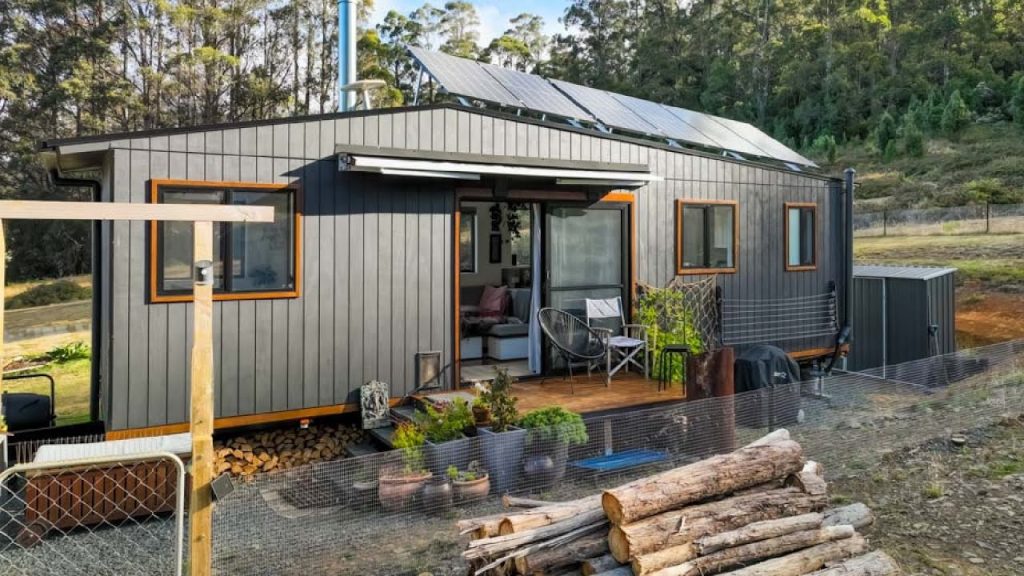
A tiny home is typically a residence between 100 and 400 square feet, designed to maximize functionality, efficiency, and comfort using creative architecture and smart storage solutions.
Tiny homes come in many forms:
- Tiny houses on wheels (THOWs)
- Backyard accessory dwelling units (ADUs)
- Converted vans & buses
- Off-grid cabins
- Micro apartments
But they all share one mission:
live well with less.
The Psychological Power of Living With Less
1. Clutter Creates Stress
Studies repeatedly show that visual clutter increases cortisol, the stress hormone.
When your environment is overloaded, your mind becomes overloaded.
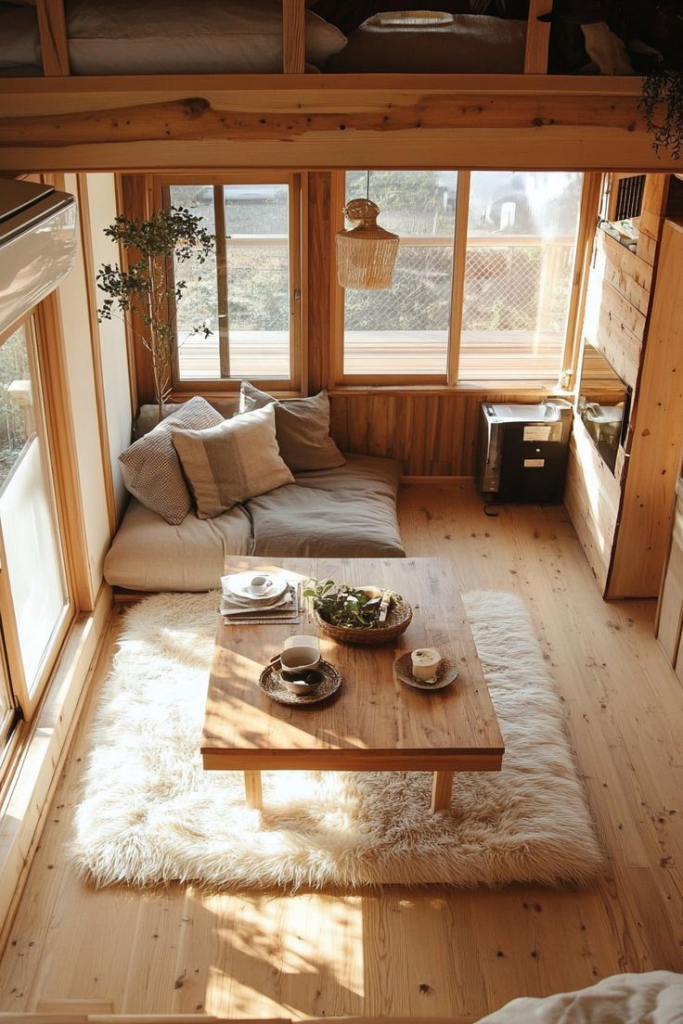
Tiny homes force intentional ownership:
- You only keep what you need
- You surround yourself with what you love
- You eliminate what drains your energy
The result is a calmer, clearer mental state.
2. Decision Fatigue Disappears
Fewer rooms, fewer things, fewer choices.
Your brain no longer wastes energy on:
- Managing stuff
- Cleaning endlessly
- Organizing excess
You reclaim enormous mental bandwidth for creativity, relationships, and purpose.
How Tiny Homes Redefine “Wealth”
Traditional success is measured in square footage, cars, and mortgage size.
Tiny living rewrites that formula.
New wealth looks like:
- Zero or minimal debt
- Low monthly expenses
- Financial flexibility
- Location independence
- Time abundance
Many tiny homeowners report:
- Saving 50–80% on housing costs
- Becoming debt-free years earlier
- Working fewer hours
- Retiring sooner
Wealth becomes measured in freedom, not furniture.
The Shift Toward Intentional Living
Tiny homes demand conscious choices.
Every inch matters.
Every object must earn its place.
This naturally cultivates intentional living:
| Area | Traditional Living | Tiny Living |
|---|---|---|
| Home | Accumulation | Purposeful ownership |
| Time | Overworked | Balanced |
| Money | Debt-driven | Freedom-driven |
| Lifestyle | Consumerism | Experience-focused |
| Mindset | Scarcity | Abundance |
You stop chasing more and start designing better.
Environmental Impact: Living Light on the Planet
Tiny homes dramatically reduce environmental footprint:
- Lower energy consumption
- Smaller carbon emissions
- Less construction waste
- Reduced resource use
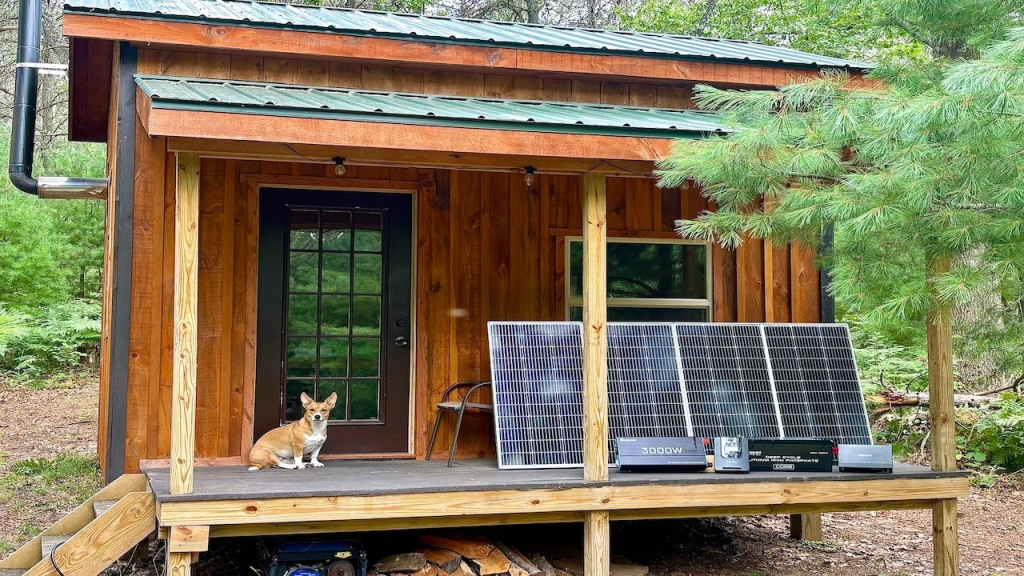
Many tiny homes integrate:
- Solar panels
- Composting toilets
- Rainwater collection
- High-efficiency insulation
Tiny living becomes an act of environmental stewardship — not sacrifice.
Relationships Flourish in Smaller Spaces
Contrary to fear, small living spaces often strengthen relationships.
Why?
- You communicate more
- You resolve conflicts faster
- You share daily experiences closely
- You prioritize connection over distraction
Families in tiny homes report:
- Deeper bonds
- More shared activities
- Less screen time
- Greater cooperation
Space shrinks.
Connection expands.
Time Becomes Your Greatest Asset
With:
- Less cleaning
- Fewer possessions
- Lower expenses
You regain hundreds of hours per year.
People use that time to:
- Start businesses
- Travel
- Learn new skills
- Volunteer
- Create art
- Build relationships
Tiny living doesn’t make life smaller.
It makes it fuller.

Tiny Homes & Financial Independence
Tiny homes fast-track the journey to financial independence.
Lower fixed costs mean:
- Faster savings growth
- Greater investment capacity
- Reduced financial stress
- Protection against economic downturns
Many tiny homeowners reach FI (financial independence) years — even decades — earlier than their peers.
Is Tiny Living Right for You?
Tiny living works best for people who value:
- Freedom over possessions
- Experiences over status
- Simplicity over excess
- Intentionality over convenience
It may challenge:
- Hoarders
- Status-seekers
- Those addicted to consumption
But for the right mindset, it’s life-changing.
Final Thoughts: Designing a Life That Actually Feels Good
The tiny home movement isn’t about houses.
It’s about happiness.
It asks the most important question:
“What do you really need to live a good life?”
And then it helps you build exactly that.
Not bigger.
Not louder.
Not more expensive.
Just better.


