
Why Swimsuit Fashion Reflects More Than Style
Swimsuit fashion is more than a seasonal trend. It reflects changing attitudes toward the body, gender roles, leisure, technology, and cultural values. What people wear to swim has always been shaped by social norms, morality, innovation, and personal freedom.
From full-body garments designed for modesty to modern designs focused on self-expression, swimsuit fashion tells a broader story about how societies evolve. Understanding how swimsuit fashion has changed over time reveals not just shifts in design, but shifts in mindset.
Early Swimwear and the Emphasis on Modesty
In the early 19th century, swimwear was not designed for swimming as much as it was designed for social acceptability.
Early swimsuits often featured:
- Heavy wool fabrics
- Long sleeves
- High necklines
- Knee- or ankle-length coverage
Swimming itself was a controlled activity, often separated by gender and guided by strict rules of propriety. Comfort, mobility, and practicality were secondary to modesty.
Water absorption made these garments heavy and restrictive, limiting movement and reinforcing the idea that swimwear was not meant for performance.
The Rise of Recreational Swimming
As beach culture began to grow in the late 19th and early 20th centuries, attitudes toward leisure slowly changed.
Seaside vacations became more popular, and swimming shifted from a medical or moral activity to a recreational one. This shift encouraged early experimentation in swimwear design.
Changes included:
- Shorter hems
- Lighter materials
- More functional cuts
While still conservative by modern standards, these updates signaled the beginning of swimsuit fashion as a distinct category.

The 1920s and the Birth of Modern Swimwear
The 1920s marked a turning point.
Women began wearing sleeveless swimsuits that exposed arms and legs, challenging long-standing norms. These designs were controversial, and in some places, women could be fined or arrested for wearing swimsuits considered too revealing.
However, the era introduced key developments:
- One-piece swimsuits
- Stretchier fabrics
- Designs intended for movement
Swimsuit fashion became associated with freedom, modernity, and changing roles for women in society.
Athletic Influence and Functionality
As swimming gained popularity as a sport, athletic needs began influencing design.
Competitive swimmers required:
- Reduced drag
- Improved flexibility
- Better fit
This led to sleeker silhouettes and more body-conscious designs. Swimwear increasingly balanced performance and appearance, influencing mainstream fashion as well.
Athletic swimwear helped normalize fitted designs and shifted public perception of the body in motion.
The Post-War Era and the Bikini Revolution
The mid-20th century brought one of the most dramatic shifts in swimsuit history: the bikini.
Introduced in the 1940s and gaining popularity in the 1950s and 1960s, the bikini was initially controversial. Many societies viewed it as provocative or inappropriate.
Over time, the bikini became a symbol of:
- Body confidence
- Youth culture
- Cultural liberation
- Changing beauty standards
This era also popularized:
- Two-piece swimsuits
- Sunbathing culture
- Fashion-driven beachwear
Swimsuits were no longer just functional garments — they became fashion statements.

The 1970s and 1980s: Expression and Experimentation
The 1970s and 1980s embraced bold self-expression.
Swimsuit fashion reflected broader cultural movements emphasizing individuality, fitness, and freedom.
Key trends included:
- High-cut leg designs
- Bright colors and bold patterns
- Minimalist silhouettes
- Influence from surf and athletic cultures
Fitness trends also influenced swimwear, blending athletic and lifestyle aesthetics. Swimsuits became tools for both performance and personal expression.
Body Image and Beauty Standards
As swimsuit fashion evolved, it became closely tied to body image.
Advertising and media often promoted narrow beauty ideals, influencing how people felt about wearing swimsuits. For many, swimwear became emotionally charged — associated with confidence for some and discomfort for others.
This connection highlighted how fashion choices can reflect and reinforce cultural attitudes toward bodies, beauty, and worth.
The 1990s and Early 2000s: Minimalism and Branding
The late 20th century saw a shift toward minimalist design and branding.
Popular elements included:
- Clean lines
- Neutral colors
- Logo-focused designs
- Low-rise bikini bottoms
Swimsuits became part of a broader lifestyle identity tied to brand culture, celebrity influence, and global fashion trends.
At the same time, mass production made swimwear more accessible, expanding style options for consumers.

Technology and Fabric Innovation
One of the most significant drivers of change in swimsuit fashion has been material innovation.
Modern swimsuits benefit from:
- Quick-drying fabrics
- Stretch technology
- UV protection
- Chlorine resistance
- Enhanced durability
These advancements improved comfort, performance, and longevity. Technology allowed designers to experiment with shapes and fits that were previously impractical.
Swimwear became more adaptable to different activities and body types.
Inclusivity and Body Positivity
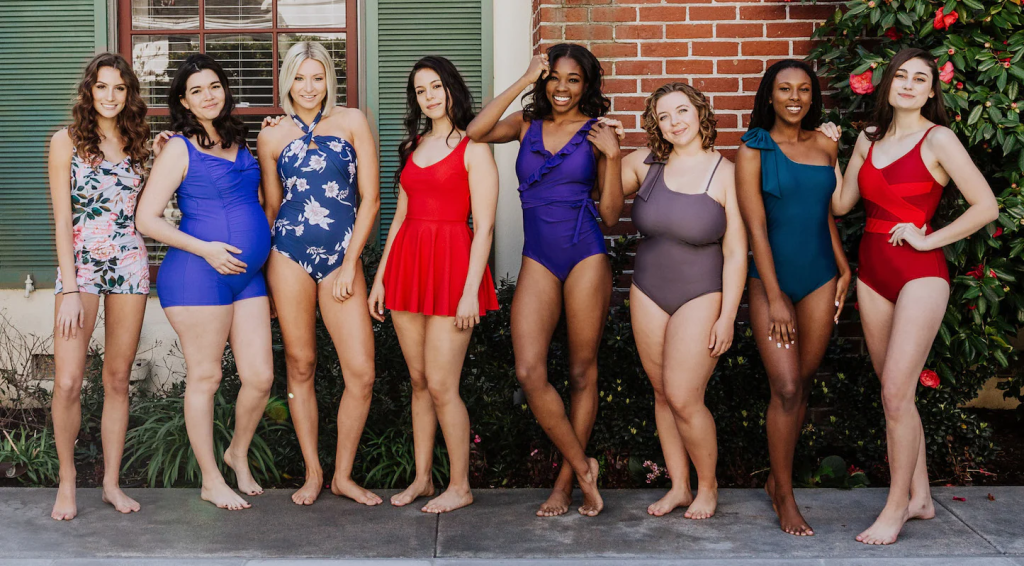
Recent decades have seen a strong push toward inclusivity in swimsuit fashion.
Designers and brands increasingly recognize the need to:
- Offer extended size ranges
- Represent diverse body types
- Challenge narrow beauty standards
- Design for comfort and confidence
High-waisted bottoms, supportive tops, and adjustable designs reflect a shift toward empowerment rather than conformity.
Swimwear is becoming less about hiding and more about choice.
Gender Expression and Swimsuit Fashion
Swimsuit fashion has also evolved in how it approaches gender.
Modern trends include:
- Gender-neutral designs
- Expanded options for coverage
- Styles that prioritize comfort over tradition
These changes reflect broader cultural conversations about identity, self-expression, and personal autonomy.
Swimwear is increasingly seen as functional clothing rather than a rigid symbol of gender norms.
Sustainability and Ethical Fashion
Environmental awareness has influenced how swimsuits are made.
Many brands now focus on:
- Recycled materials
- Ethical manufacturing
- Reduced waste
- Long-lasting design
Sustainability has become part of swimsuit fashion’s evolution, aligning personal style with environmental responsibility.
This shift reflects growing consumer interest in conscious fashion choices.
Swimsuit Fashion as Cultural Commentary
Swimsuits continue to reflect cultural values.
What is considered acceptable, stylish, or empowering varies across regions and eras. Swimsuit fashion adapts to:
- Cultural norms
- Climate
- Media influence
- Social movements
As societies change, so does swimwear — making it a visible marker of cultural evolution.
The Influence of Social Media
Social media has accelerated trends and expanded representation.
Platforms allow:
- Independent designers to reach audiences
- Individuals to showcase personal style
- Diverse bodies to gain visibility
- Trends to spread globally
This democratization has reduced reliance on traditional gatekeepers and broadened definitions of beauty and style.
From Restriction to Choice
One of the clearest themes in swimsuit fashion history is the move from restriction to choice.
Early swimwear imposed rules. Modern swimwear offers options.
Today’s swimsuit fashion emphasizes:
- Personal comfort
- Self-expression
- Functionality
- Inclusivity
This evolution reflects broader social progress toward individual freedom.
Final Thoughts
Swimsuit fashion has changed dramatically over time, evolving alongside shifts in culture, technology, and identity. From heavy garments designed for modesty to modern designs celebrating choice and confidence, swimwear tells a powerful story about society’s relationship with the body.
Each era leaves its mark, shaping how people experience beaches, pools, and themselves. As values continue to evolve, swimsuit fashion will continue to adapt — reflecting not just what we wear, but who we are.
Swimwear is no longer just about swimming. It’s about expression, comfort, and freedom.


