
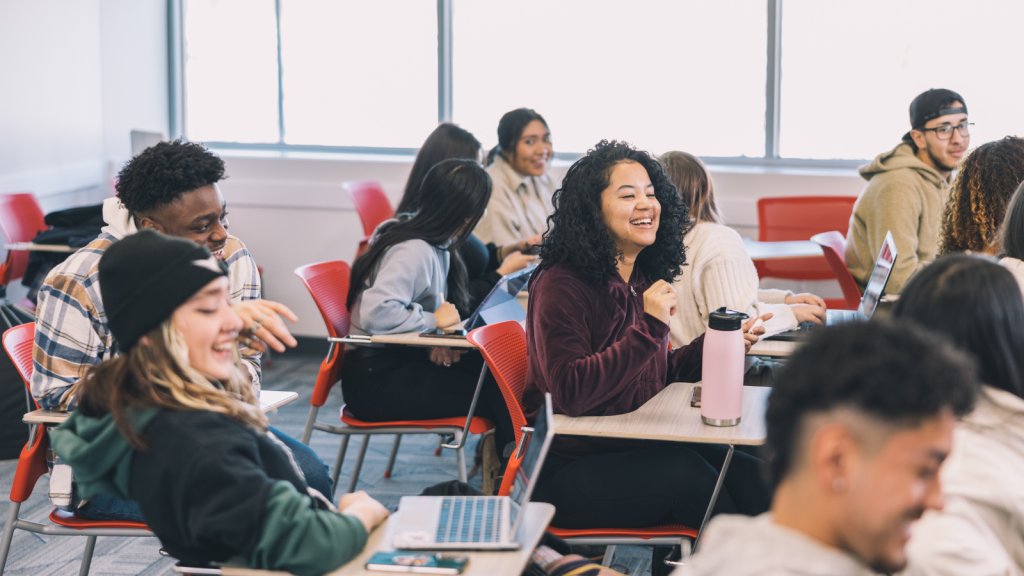
Why Education Is Shifting Toward the Student
Education is undergoing a fundamental transformation. Traditional models that position teachers as the sole source of knowledge are giving way to approaches that place students at the center of the learning experience.
Student-centered learning reflects a broader recognition that modern students learn best when they are actively engaged, empowered to make choices, and encouraged to take ownership of their education. Rather than passively absorbing information, students become participants in the learning process.
This shift is not just a trend — it is a response to changing societal needs, technological advancement, and a deeper understanding of how people learn.
What Is Student-Centered Learning
Student-centered learning is an educational approach that prioritizes the needs, interests, abilities, and learning styles of students.
Key characteristics include:
- Active participation rather than passive listening
- Flexibility in pace and learning pathways
- Collaboration and discussion
- Real-world problem solving
- Emphasis on critical thinking
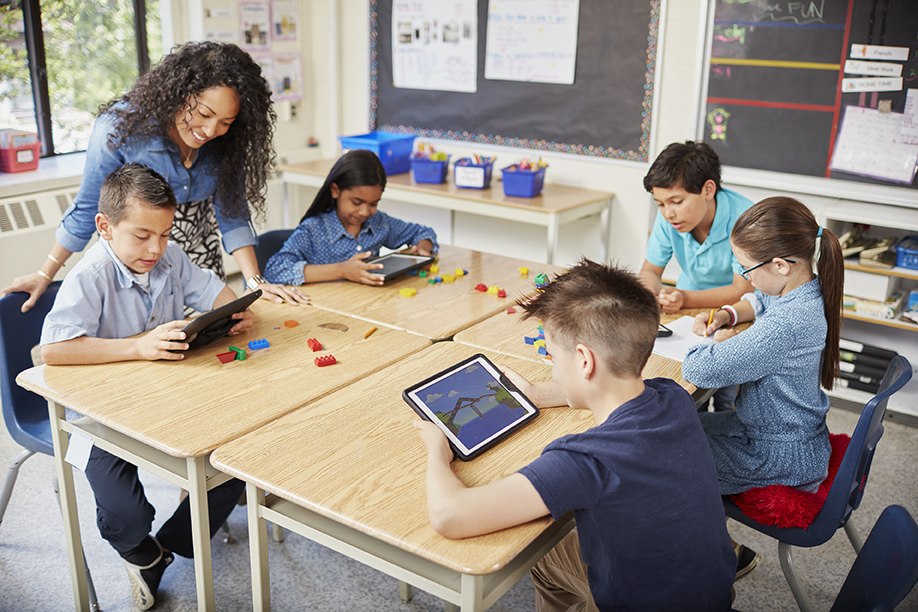
Teachers act as facilitators or guides, supporting students as they explore concepts and construct understanding.
Moving Beyond One-Size-Fits-All Education
Traditional education often assumes all students learn the same way, at the same pace, using the same methods. Student-centered learning challenges this assumption.
By acknowledging individual differences, this approach:
- Reduces disengagement
- Supports diverse learning styles
- Allows students to progress at appropriate speeds
- Encourages curiosity and intrinsic motivation
Learning becomes more inclusive and adaptable, meeting students where they are rather than forcing uniform outcomes.
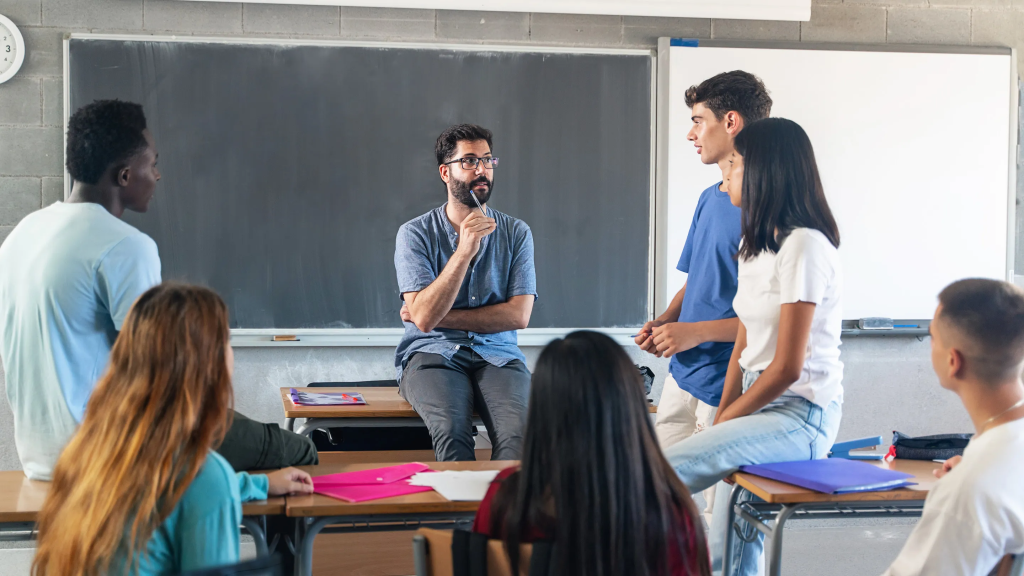
Empowering Students Through Choice and Autonomy
Choice is a powerful motivator.
Student-centered learning empowers students by offering:
- Options in topics or projects
- Flexibility in how assignments are completed
- Opportunities to explore personal interests
- Voice in classroom decisions
When students have agency, they become more invested in their learning. Autonomy builds confidence and encourages responsibility for outcomes.
This sense of ownership transforms learning from obligation into engagement.
Building Critical Thinking and Problem-Solving Skills
Modern life requires more than memorization. Student-centered learning emphasizes skills that students will use beyond the classroom.
These include:
- Analyzing information
- Evaluating multiple perspectives
- Solving complex problems
- Applying knowledge in real-world contexts
By engaging with open-ended questions and authentic challenges, students learn how to think — not just what to think.
Encouraging Active Learning and Engagement
Active learning is central to student-centered education.
Instead of passively listening, students may:
- Participate in discussions
- Work on hands-on projects
- Collaborate with peers
- Reflect on their learning process
This engagement improves retention and understanding. Students are more likely to remember and apply concepts they actively explore.
Personalization Supports Deeper Learning
Student-centered learning allows for personalized pathways.
Personalization may involve:
- Adjusting content difficulty
- Offering varied instructional methods
- Providing targeted feedback
- Allowing flexible timelines
This approach supports students who may struggle in traditional settings while also challenging those ready to advance. Learning becomes meaningful rather than standardized.
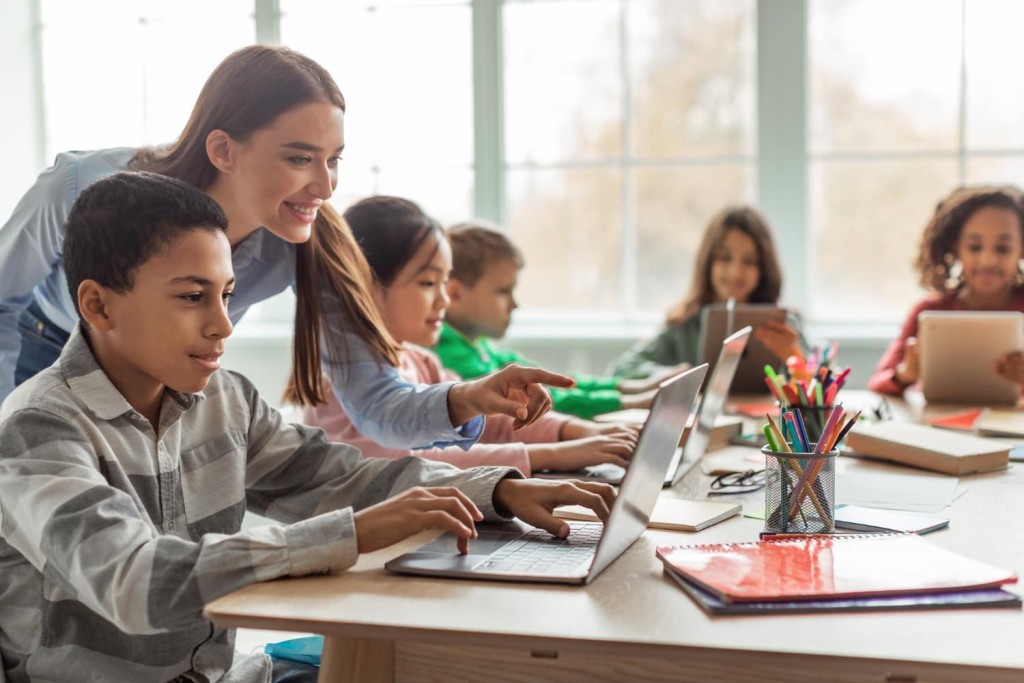
Collaboration Builds Communication and Social Skills
Modern workplaces value collaboration. Student-centered learning mirrors this reality by emphasizing teamwork and communication.
Students learn to:
- Share ideas respectfully
- Listen to diverse viewpoints
- Resolve disagreements
- Work toward common goals
These experiences build social skills, empathy, and cooperation — qualities essential for both academic and professional success.
Supporting Confidence and Self-Efficacy
When students take an active role in learning, they build confidence in their abilities.
Student-centered environments encourage:
- Risk-taking without fear of failure
- Reflection on progress
- Recognition of individual strengths
Success becomes defined not only by grades, but by growth and understanding. This reinforces a growth mindset and long-term resilience.
Technology as an Enabler, Not a Replacement
Technology often supports student-centered learning by expanding access and flexibility.
Digital tools can:
- Provide adaptive learning experiences
- Offer immediate feedback
- Enable collaboration beyond the classroom
- Support self-paced exploration
When used intentionally, technology enhances learning without replacing the human connection between students and educators.
Assessment Focused on Growth, Not Just Scores
Student-centered learning often rethinks assessment.
Instead of relying solely on standardized tests, educators may use:
- Project-based assessments
- Portfolios
- Peer feedback
- Self-reflection
These methods provide a fuller picture of student understanding and progress. Assessment becomes a tool for learning rather than judgment.
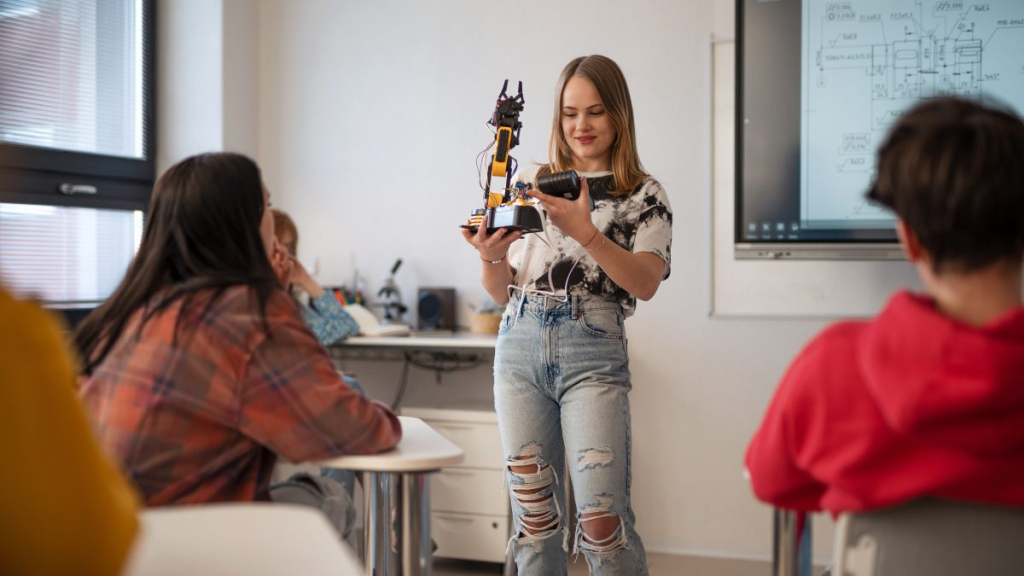
Inclusivity and Equity in Learning
Student-centered learning promotes equity by recognizing that students come from diverse backgrounds with varying needs.
This approach:
- Respects cultural differences
- Addresses learning barriers
- Encourages multiple ways to demonstrate understanding
- Reduces reliance on rigid benchmarks
By valuing individual experiences, education becomes more accessible and fair.
Preparing Students for Lifelong Learning
The modern world changes rapidly. Student-centered learning prepares students not just for exams, but for continuous growth.
Students develop:
- Curiosity
- Adaptability
- Self-direction
- A love of learning
These traits support lifelong learning, enabling students to navigate future challenges confidently.
The Role of the Teacher in Student-Centered Classrooms
Teachers remain essential in student-centered learning — their role simply evolves.
Educators:
- Design meaningful learning experiences
- Guide inquiry and discussion
- Provide feedback and support
- Create safe, engaging environments
Rather than controlling every aspect, teachers empower students to explore while ensuring learning goals are met.
Challenges and Misconceptions
Student-centered learning is sometimes misunderstood.
Common misconceptions include:
- Lack of structure
- Reduced academic rigor
- Too much freedom
In reality, effective student-centered environments are carefully designed and structured. They balance flexibility with clear expectations and accountability.
Evidence of Impact on Student Outcomes
Research and classroom experience show that student-centered learning can lead to:
- Higher engagement
- Improved academic outcomes
- Better retention of knowledge
- Stronger motivation
Students who feel heard and supported are more likely to succeed academically and personally.
Student-Centered Learning and the Future of Education
As education continues to evolve, student-centered approaches align closely with future needs.
They support:
- Creativity and innovation
- Digital literacy
- Global citizenship
- Emotional intelligence
These competencies are increasingly essential in a complex, interconnected world.
Final Thoughts
Student-centered learning empowers modern students by placing them at the heart of the educational experience. Through choice, engagement, personalization, and collaboration, students develop the skills, confidence, and curiosity needed to thrive.
Education becomes not just a transfer of knowledge, but a partnership — one that respects individuality while preparing students for real-world success.
When students are empowered to learn actively, education fulfills its highest purpose: enabling people to grow, adapt, and contribute meaningfully throughout their lives.


