

In sports, mistakes are often viewed as failures — moments to avoid, hide, or regret. Yet for athletes at every level, mistakes are not signs of weakness. They are fundamental building blocks of growth.
Every missed shot, false start, misread play, or tactical error contains information. Athletes who learn to interpret that information develop faster, stronger, and more resilient skill sets. Growth in sports is rarely linear, and mistakes often mark the turning points where improvement begins.
Understanding how sports mistakes contribute to athlete growth reframes failure as a powerful tool rather than an obstacle.
Mistakes as Feedback, Not Failure
At their core, mistakes provide feedback.
In training and competition, mistakes reveal:
- Gaps in technique
- Decision-making weaknesses
- Timing and coordination issues
- Mental or emotional challenges
Without mistakes, athletes receive limited information about what needs improvement. Errors highlight areas that require attention and adjustment.
Elite athletes don’t avoid mistakes — they analyze them.
Learning Through Trial and Error
Skill development in sports relies heavily on repetition and experimentation.
Trial and error allows athletes to:
- Test techniques
- Adjust strategies
- Explore limits
- Refine movement patterns
Mistakes occur naturally during this process. Each error narrows the margin between what doesn’t work and what does.
Athletes who are encouraged to experiment tend to develop deeper understanding and adaptability compared to those trained only to follow rigid instruction.

Building Mental Resilience Through Mistakes
Sports performance is as mental as it is physical.
Mistakes challenge:
- Confidence
- Emotional control
- Focus under pressure
Athletes who learn to recover from errors build resilience. They develop the ability to:
- Stay composed after setbacks
- Reset mentally during competition
- Maintain confidence despite adversity
This resilience is critical in high-pressure environments where mistakes are inevitable.
Mistakes Teach Accountability
Mistakes create opportunities for accountability.
When athletes acknowledge errors rather than deflect blame, they:
- Take ownership of performance
- Develop maturity
- Strengthen trust with teammates and coaches
Accountability fosters growth by encouraging athletes to focus on controllable factors rather than external excuses.
Teams that normalize learning from mistakes often outperform those that punish them.
Technical Growth Through Error Correction
Many technical breakthroughs begin with repeated mistakes.
For example:
- A basketball player adjusts shooting mechanics after missed shots
- A swimmer improves stroke efficiency after poor lap times
- A soccer player refines passing accuracy after turnovers
Mistakes expose inefficiencies that may go unnoticed when outcomes are successful. Correction leads to more refined and consistent execution.
Over time, this process elevates overall skill level.
Tactical Awareness Develops From Errors
Mistakes often occur due to poor decision-making rather than lack of ability.
Tactical errors teach athletes to:
- Read situations more effectively
- Anticipate opponents’ actions
- Adjust strategies in real time
An athlete who misjudges positioning or timing gains insight into game dynamics that cannot be learned through theory alone.
Game intelligence grows fastest when athletes reflect on mistakes in context.
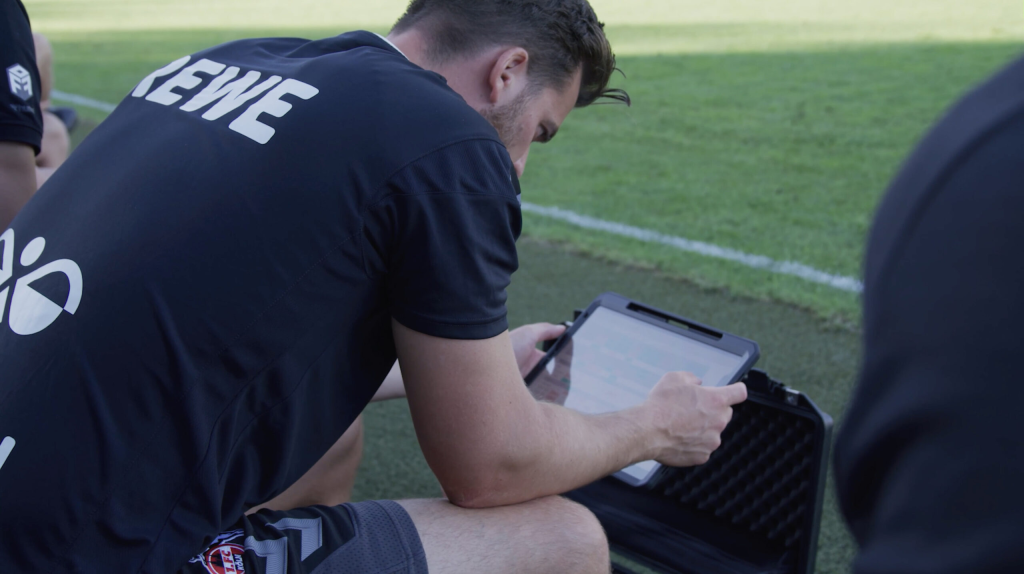
Emotional Regulation and Self-Control
Mistakes trigger emotional responses such as frustration, embarrassment, or anger.
Learning to manage these emotions is a crucial aspect of athletic growth.
Athletes who develop emotional regulation can:
- Recover quickly after errors
- Avoid compounding mistakes
- Maintain focus under pressure
This emotional discipline often separates elite performers from equally skilled peers.
Growth Mindset and Long-Term Development
How athletes interpret mistakes matters.
A growth mindset views mistakes as:
- Temporary
- Informative
- Correctable
This perspective encourages persistence and continuous improvement.
In contrast, a fixed mindset interprets mistakes as personal shortcomings, leading to fear, hesitation, and stagnation.
Athletes with a growth mindset are more willing to take risks, learn faster, and adapt to challenges.
Coaches and the Role of Constructive Feedback
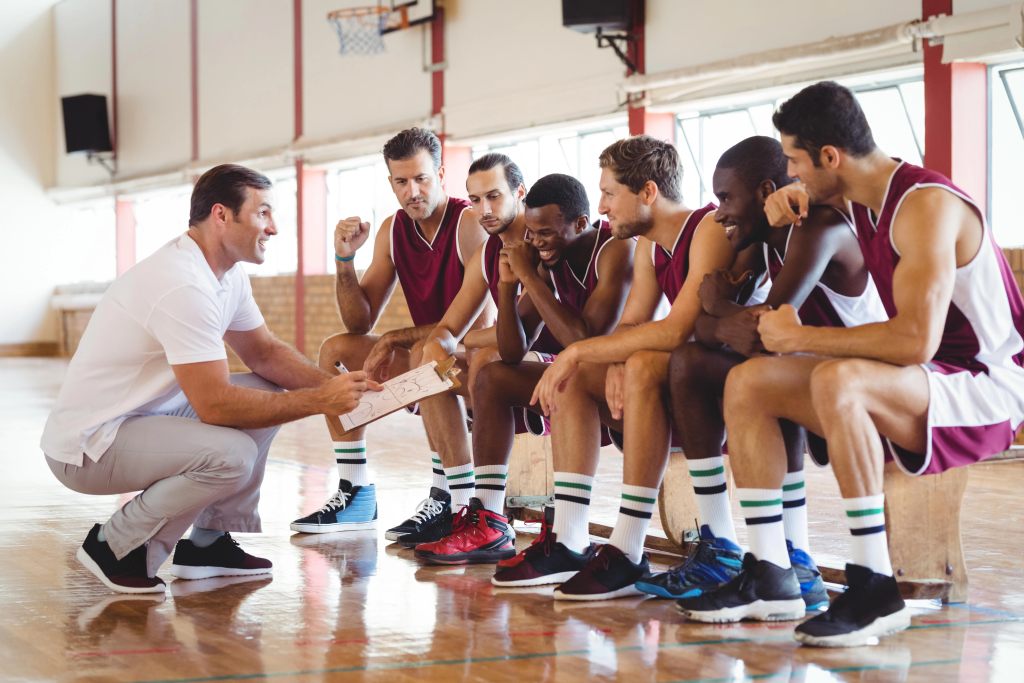
The way mistakes are addressed by coaches significantly impacts athlete development.
Constructive coaching focuses on:
- Specific feedback
- Skill correction
- Encouragement
- Clear next steps
Punitive responses often create fear of failure, reducing creativity and confidence.
Supportive environments where mistakes are treated as learning opportunities foster healthier development and stronger performance.
Team Dynamics and Collective Learning
Mistakes don’t only affect individuals — they influence teams.
Team-based learning from mistakes can:
- Improve communication
- Strengthen cohesion
- Clarify roles and responsibilities
When teams openly discuss errors without blame, they develop shared understanding and resilience.
Collective growth often emerges from collective mistakes.
Mistakes Under Pressure Build Competitive Toughness
High-stakes situations magnify mistakes.
Athletes who have experienced and recovered from errors in pressure scenarios:
- Handle competition stress better
- Make calmer decisions
- Perform more consistently in critical moments
Exposure to mistakes under pressure builds competitive toughness that cannot be simulated through success alone.
Failure becomes preparation.
Injury Prevention and Body Awareness
Some mistakes are physical rather than strategic.
Poor technique or fatigue-related errors can:
- Signal injury risk
- Highlight mobility limitations
- Reveal imbalance or weakness
Athletes who learn from these signals adjust training and recovery strategies, reducing long-term injury risk.
Mistakes increase body awareness — an essential skill for longevity in sports.
Confidence Built Through Recovery
Confidence is not built by perfection.
True confidence develops when athletes prove to themselves that they can recover from setbacks.
Each successful recovery from a mistake reinforces:
- Self-belief
- Emotional strength
- Competitive trust
Athletes who know they can rebound from errors play with greater freedom and assertiveness.
The Role of Failure in Elite Performance
Even the most accomplished athletes make mistakes.
What sets elite performers apart is:
- How quickly they adjust
- How effectively they learn
- How they maintain focus
Failure is not the opposite of success — it is part of the process that creates it.
The most celebrated careers are built on lessons learned from repeated mistakes.

Youth Sports and Healthy Attitudes Toward Mistakes
In youth sports, mistakes play a critical role in development.
When young athletes are allowed to fail safely, they:
- Develop confidence
- Learn problem-solving
- Enjoy the process of improvement
Overemphasis on winning or error-free performance can hinder long-term growth.
Positive early experiences with mistakes shape healthier relationships with competition later in life.
Mistakes as Motivation
For many athletes, mistakes fuel motivation.
Errors highlight goals and create urgency for improvement. They provide clear direction for training focus.
Rather than discouraging effort, mistakes often:
- Increase determination
- Clarify purpose
- Strengthen commitment
Athletes who channel mistakes productively often experience accelerated growth.
The Psychological Shift From Fear to Curiosity
One of the most powerful transformations occurs when athletes stop fearing mistakes and start approaching them with curiosity.
Curiosity leads to:
- Exploration
- Learning
- Adaptation
Fear leads to hesitation and stagnation.
Shifting this mindset unlocks creative problem-solving and higher performance ceilings.
Mistakes and Leadership Development
Mistakes also shape leadership qualities.
Athletes who openly acknowledge and learn from errors:
- Model accountability
- Earn respect
- Influence team culture positively
Leaders who handle mistakes with integrity set the tone for resilience and growth across teams.
Final Thoughts
Sports mistakes are not setbacks to avoid — they are essential experiences that shape stronger, smarter, and more resilient athletes.
Mistakes teach lessons that success cannot. They refine skills, sharpen decision-making, build emotional strength, and foster long-term development.
Athletes who embrace mistakes as part of the journey unlock their full potential — not by avoiding failure, but by learning from it.
Growth in sports does not happen despite mistakes. It happens because of them.


