

Understanding Incentives, Savings, and Long-Term Energy Benefits
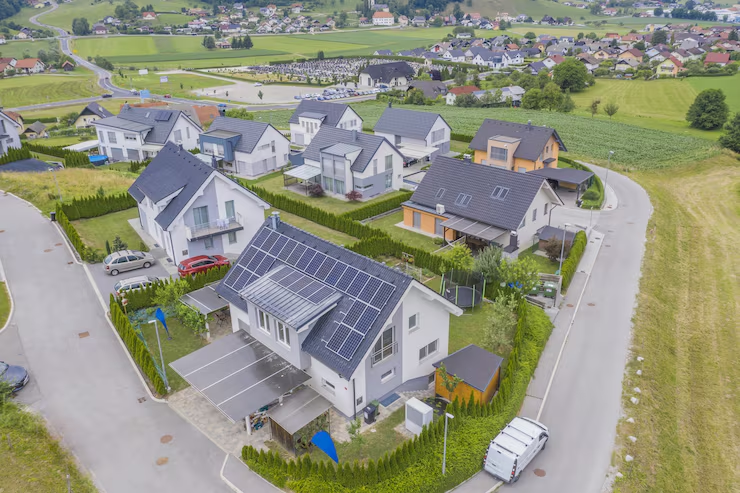
Rising electricity prices have made energy costs one of the most significant monthly expenses for homeowners. Solar energy programs offer a powerful way to reduce these costs by helping households generate their own electricity, take advantage of incentives, and stabilize long-term energy spending.
This article explains how solar programs can reduce energy costs for homeowners, the types of programs available, and how they translate into real financial savings.
Why Solar Energy Is Becoming More Affordable
Solar technology has advanced rapidly in recent years, driving down installation costs and improving efficiency. At the same time, government and utility-sponsored programs have expanded access to solar energy through financial incentives and supportive policies.
Together, these factors have made solar power a realistic option for millions of homeowners seeking relief from rising utility bills.
What Are Solar Programs?
Solar programs are initiatives designed to encourage residential solar adoption. They may be offered by:
- Federal and state governments
- Local municipalities
- Utility companies
- Energy agencies and nonprofits
These programs reduce upfront costs, improve return on investment, and make solar energy more accessible.
How Solar Panels Reduce Monthly Energy Bills
Once installed, solar panels generate electricity from sunlight, offsetting power that would otherwise be purchased from the grid.
Homeowners can reduce energy bills by:
- Using solar-generated electricity during the day
- Sending excess power back to the grid
- Drawing less energy from utility providers
The result is lower monthly electricity charges.
Net Metering and Energy Credits
Many solar programs include net metering policies. Net metering allows homeowners to earn credits for excess electricity their system produces.
These credits can:
- Offset nighttime or cloudy-day energy use
- Reduce total annual energy costs
- Improve overall system value
Net metering significantly enhances solar savings in eligible areas.
Federal Solar Incentives and Tax Credits
Federal solar programs often provide tax credits that allow homeowners to deduct a portion of solar installation costs from their taxes.
Key benefits include:
- Reduced upfront investment
- Faster return on investment
- Increased affordability for middle-income households
These incentives play a major role in lowering the effective cost of solar systems.
State and Local Solar Incentives

Many states and local governments offer additional solar incentives, which may include:
- State tax credits
- Cash rebates
- Property tax exemptions
- Sales tax exemptions
Stacking state and local incentives with federal programs can significantly reduce total system cost.
Utility Company Solar Programs
Utility-sponsored solar programs may offer:
- Rebates for solar installation
- Performance-based incentives
- Time-of-use optimization programs
Some utilities also provide special rates for solar households, increasing long-term savings.
Solar Leasing and Power Purchase Agreements
For homeowners unable or unwilling to purchase solar panels outright, solar programs may include alternative financing options such as:
- Solar leases
- Power purchase agreements (PPAs)
These options allow homeowners to access solar energy with little or no upfront cost while still benefiting from reduced energy bills.
Community Solar Programs
Community solar programs allow homeowners to benefit from solar energy without installing panels on their own property.
Participants subscribe to a shared solar project and receive:
- Credits on their electricity bill
- Reduced energy costs
- Access to solar without rooftop installation
This option is ideal for renters or homeowners with unsuitable roofs.
Solar Programs for Low- and Moderate-Income Households
Some solar initiatives specifically target affordability for low- and moderate-income households. These programs may offer:
- Enhanced incentives
- Reduced-cost installations
- On-bill financing
Targeted programs help ensure that solar savings are accessible across income levels.
Energy Storage and Battery Incentives
Battery storage programs allow homeowners to store excess solar energy for later use. Incentives may help offset the cost of:
- Home battery systems
- Backup power solutions
Energy storage reduces reliance on the grid during peak pricing periods, further lowering energy costs.
Protection Against Rising Utility Rates
One of the most powerful benefits of solar programs is protection against future utility rate increases. By generating electricity at home, homeowners:
- Reduce exposure to rate hikes
- Stabilize long-term energy expenses
- Gain predictable energy costs
This stability adds financial security over time.
Increasing Home Value Through Solar Programs

Homes with solar installations often command higher resale values. Solar programs that reduce installation costs:
- Improve return on investment
- Make solar-enhanced homes more attractive to buyers
Increased home value complements monthly energy savings.
Reduced Maintenance and Operating Costs
Solar systems have relatively low maintenance costs. Many programs include:
- Long-term warranties
- Performance guarantees
- Monitoring services
Lower operating costs support consistent long-term savings.
Environmental Benefits That Translate Into Savings
While environmental benefits are often highlighted, they also contribute to economic value by:
- Reducing reliance on fossil fuels
- Supporting grid stability
- Encouraging long-term energy policy support
These benefits help sustain incentive programs and future savings.
How to Determine If Solar Programs Are Right for You
Solar programs are most effective when matched to individual circumstances. Key considerations include:
- Roof orientation and condition
- Local sunlight availability
- Current energy usage
- Utility rate structure
Solar assessments help determine expected savings.
Understanding Payback Periods
The payback period is the time it takes for energy savings to cover the initial investment. Solar programs shorten payback periods by:
- Lowering upfront costs
- Increasing incentives
- Improving system efficiency
Shorter payback periods increase overall value.
Comparing Solar Program Options
Not all programs offer equal benefits. Homeowners should compare:
- Incentive amounts
- Ownership vs leasing
- Long-term savings projections
Informed comparisons maximize financial outcomes.
Common Misconceptions About Solar Programs
Common myths include:
- Solar is too expensive
- Incentives are unavailable
- Savings are minimal
Modern solar programs have addressed many of these concerns through expanded support.
Long-Term Financial Impact of Solar Adoption

Over time, solar programs can:
- Reduce total energy spending
- Improve household budgeting
- Increase financial resilience
Savings accumulate year after year, often outpacing initial expectations.
Combining Solar Programs With Energy Efficiency Measures
Solar programs work best when combined with efficiency improvements such as:
- Insulation upgrades
- Energy-efficient appliances
- Smart energy management
Lower overall consumption enhances solar savings.
Steps to Access Solar Programs
To take advantage of solar programs:
- Assess energy usage
- Research local incentives
- Request solar evaluations
- Compare financing options
- Apply for available programs
Preparation ensures maximum benefit.
When Solar Programs May Not Be Ideal
Solar programs may not suit every homeowner, particularly those with:
- Heavy shading
- Short-term ownership plans
- Incompatible roof structures
Alternative energy-saving strategies may be more appropriate in these cases.
Final Thoughts
Solar programs provide homeowners with a powerful tool to reduce energy costs, stabilize long-term expenses, and increase property value. By lowering upfront investment and enhancing ongoing savings, these programs make clean energy both financially and environmentally rewarding.
Understanding available solar programs and how they work allows homeowners to make informed decisions that support affordability, sustainability, and energy independence for years to come.


