
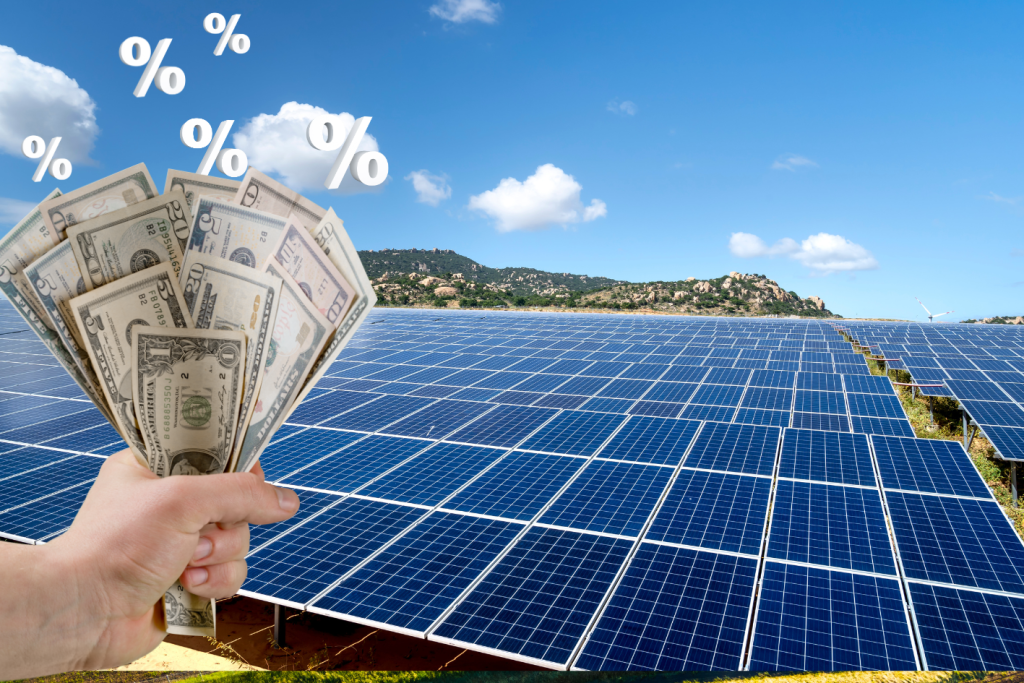
Installing solar panels has become an increasingly attractive option for homeowners and businesses looking to lower energy bills and reduce reliance on traditional power sources. While the long-term savings of solar energy are well known, the upfront installation cost can still feel like a barrier for many people.
This is where solar incentives make a significant difference. Government programs, tax credits, rebates, and other incentives are designed to reduce the initial cost of installing solar systems, making clean energy more accessible and affordable.
This article explains how solar incentives reduce installation costs, what types of incentives exist, and why they play a crucial role in expanding solar adoption.

Why Solar Installation Costs Can Be High
The cost of a solar installation includes more than just the panels themselves. Homeowners and businesses typically pay for:
- Solar panels and mounting equipment
- Inverters and electrical components
- Labor and installation services
- Permits and inspections
- System design and engineering
Although prices have decreased over time, these combined costs can still represent a significant upfront investment. Solar incentives help offset these expenses by reducing what consumers pay out of pocket.
What Solar Incentives Are Designed to Do
Solar incentives are financial programs intended to encourage the adoption of renewable energy. By lowering installation costs, these incentives help remove financial barriers and speed up the transition to cleaner energy sources.
The goals of solar incentives include:
- Making solar energy affordable for more households
- Encouraging long-term energy independence
- Reducing strain on traditional power grids
- Supporting environmental sustainability
These incentives benefit both individual consumers and broader energy systems.
Tax Credits and Their Impact on Costs
One of the most influential solar incentives is the availability of tax credits. These credits reduce the amount of tax owed by allowing eligible system owners to deduct a percentage of their solar installation costs.
Tax credits reduce costs by:
- Lowering overall system expenses
- Improving return on investment
- Making financing more manageable
Because tax credits are applied after installation, they significantly reduce the net cost of going solar.
Rebates That Reduce Upfront Expenses
Rebates provide direct financial reductions by returning a portion of the installation cost to the system owner after installation.
Rebate programs often:
- Offer fixed dollar amounts or per-watt incentives
- Reduce the amount paid upfront or shortly after installation
- Vary by location and program availability
These incentives directly lower the initial investment, making solar systems more affordable from the start.

Performance-Based Incentives
Some solar incentive programs reward system owners based on how much energy their solar panels produce. These performance-based incentives provide ongoing financial benefits over time.
They work by:
- Compensating owners for electricity generated
- Improving long-term savings
- Encouraging proper system maintenance
While not always immediate, these incentives help reduce overall system costs through continued earnings.
Net Metering and Utility Credits
Net metering allows solar system owners to receive credit for excess electricity sent back to the grid. When solar panels produce more power than a property uses, that energy can offset future utility bills.
Net metering reduces costs by:
- Lowering monthly electricity expenses
- Increasing the value of solar-generated power
- Shortening the payback period
This ongoing benefit enhances the financial appeal of solar installations.
State and Local Solar Incentives
In addition to national programs, many states and municipalities offer their own solar incentives. These may include tax exemptions, grants, or additional rebates.
Local incentives often:
- Stack with federal programs
- Vary based on regional energy goals
- Target specific property types or income levels
Combining multiple incentives can significantly reduce total installation costs.
Incentives for Businesses and Commercial Properties
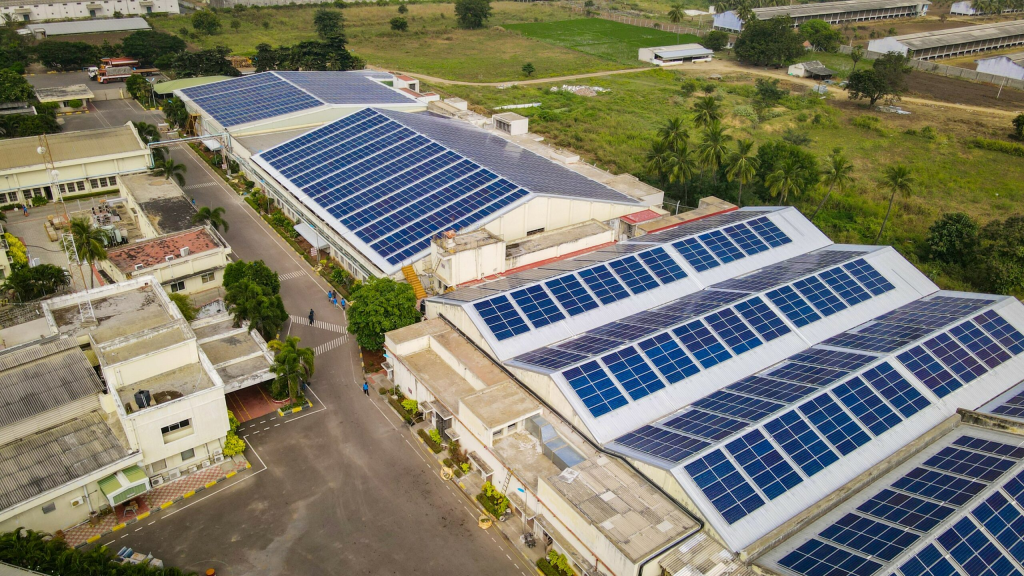
Solar incentives are not limited to residential systems. Businesses and commercial property owners can also benefit from programs designed to encourage large-scale solar adoption.
Commercial incentives may include:
- Accelerated depreciation benefits
- Energy credits tied to system performance
- Reduced operating costs over time
These incentives help businesses improve sustainability while managing capital expenses.
How Incentives Affect Solar Financing
Solar incentives play a key role in making financing options more attractive. When incentives reduce system costs, monthly loan or lease payments become more affordable.
This can lead to:
- Lower financing amounts
- Faster return on investment
- Greater accessibility for budget-conscious consumers
Incentives often make solar viable even for those who cannot pay full installation costs upfront.
Incentives and Long-Term Savings
While incentives reduce initial costs, they also amplify long-term savings. Lower installation expenses mean homeowners and businesses reach break-even points sooner.
Over time, this results in:
- Greater cumulative energy savings
- Increased property value
- Reduced exposure to rising energy prices
The combination of incentives and energy savings strengthens solar’s financial benefits.
Common Misunderstandings About Solar Incentives
Despite their availability, solar incentives are sometimes misunderstood.
Common misconceptions include:
- Incentives cover the entire system cost
- Programs are only available to certain income levels
- Incentives are permanent and unlimited
In reality, incentives vary and may change over time, which is why timely planning is important.
Why Incentives Accelerate Solar Adoption
By lowering installation costs, incentives make solar accessible to a broader range of consumers. This increased adoption supports cleaner energy infrastructure and reduces dependence on fossil fuels.
As more people install solar systems:
- Installation costs continue to decline
- Technology improves
- Incentive programs evolve to support growth
This cycle benefits both consumers and the energy industry.

Planning Ahead to Maximize Incentives
To fully benefit from solar incentives, planning is essential. Homeowners and businesses should consider incentive availability, timing, and eligibility requirements.
Careful planning helps:
- Maximize financial benefits
- Avoid missed opportunities
- Ensure compliance with program rules
Being informed allows consumers to take advantage of incentives before they change or expire.
The Bigger Picture of Solar Incentives
Solar incentives are part of a broader effort to promote renewable energy and reduce environmental impact. By lowering costs, they encourage cleaner energy choices while supporting economic growth.
These programs demonstrate how financial incentives can drive meaningful change in energy use and infrastructure.
Final Thoughts: Making Solar More Affordable
Solar incentives play a crucial role in reducing the cost of installing solar energy systems. Through tax credits, rebates, performance incentives, and utility programs, they lower upfront expenses and improve long-term savings.
Understanding how solar incentives work empowers homeowners and businesses to make informed decisions about clean energy investments. With the right incentives in place, solar installation becomes not only an environmentally responsible choice, but a financially practical one as well.


