
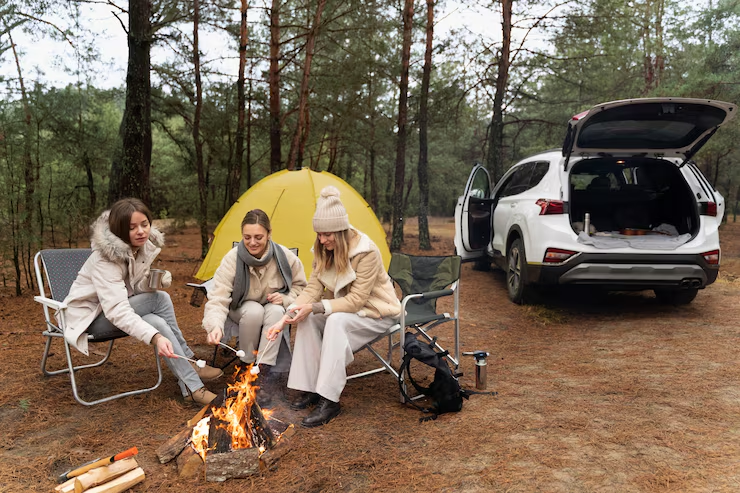
Turning Outdoor Trips Into Comfortable, Memorable Adventures
Camping offers a chance to disconnect from daily routines, reconnect with nature, and enjoy meaningful time outdoors. Yet the quality of a camping trip often depends less on the destination and more on the preparation that happens beforehand.
Proper planning transforms camping from a stressful challenge into a rewarding experience. This article explains how proper planning improves your camping experience, covering safety, comfort, enjoyment, and long-term satisfaction for campers of all skill levels.
Why Planning Matters in Camping
Camping places you in environments where convenience is limited and conditions can change quickly. Planning helps anticipate needs and reduce uncertainty.
When campers plan effectively, they are better prepared to:
- Handle unexpected weather
- Stay comfortable and safe
- Manage time efficiently
- Enjoy activities without frustration
Planning does not remove spontaneity. Instead, it creates a stable foundation that allows for flexibility and enjoyment.
Choosing the Right Campsite
One of the most important planning decisions is selecting the right campsite. Consider factors such as:
- Location and accessibility
- Terrain and elevation
- Availability of water and restrooms
- Proximity to hiking trails or activities
Researching campsites ensures that the environment matches your experience level and expectations.
Understanding Weather and Seasonal Conditions
Weather plays a major role in camping comfort and safety. Checking forecasts and seasonal patterns helps campers pack appropriately and adjust plans.
Key considerations include:
- Temperature fluctuations
- Rain or storm likelihood
- Wind exposure
- Daylight hours
Prepared campers can adapt plans rather than react to surprises.
Packing the Right Gear
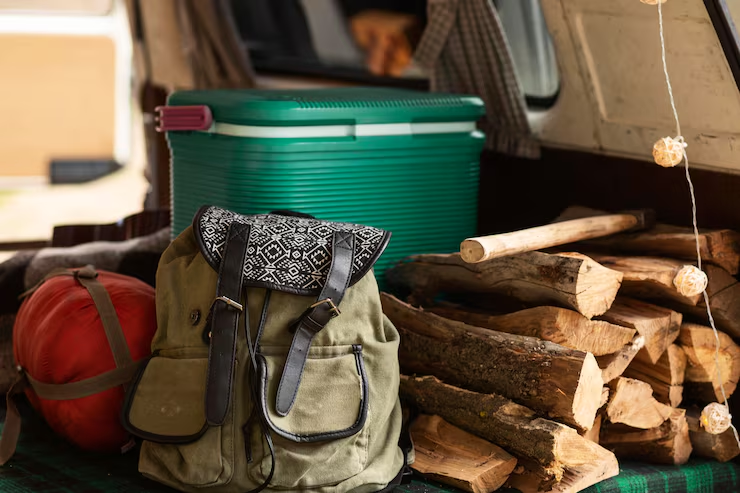
Packing mistakes are a common source of camping discomfort. Planning allows campers to bring what they need without overpacking.
Essential gear typically includes:
- Shelter and sleeping equipment
- Appropriate clothing layers
- Cooking and food supplies
- Navigation tools
- Lighting and power sources
A thoughtful packing list improves organization and reduces stress at the campsite.
Food Planning and Meal Preparation
Food is central to the camping experience. Planning meals ahead of time ensures:
- Balanced nutrition
- Efficient use of space
- Minimal waste
- Reduced cooking time
Pre-portioning ingredients, selecting easy recipes, and preparing meals in advance allows campers to spend more time relaxing and exploring.
Managing Water and Hydration
Access to clean water is critical. Planning helps campers determine:
- How much water to bring
- Whether filtration or purification is needed
- Locations of water sources
Proper hydration supports energy levels and prevents health issues during outdoor activities.
Safety and Emergency Preparedness
Camping safety begins with preparation. A well-planned trip includes:
- First aid supplies
- Emergency communication plans
- Knowledge of local wildlife
- Awareness of terrain hazards
Prepared campers are more confident and capable of responding calmly to challenges.
Navigation and Route Planning
Whether hiking, paddling, or driving to a campsite, route planning is essential. This includes:
- Reviewing maps and trail conditions
- Estimating travel time
- Identifying alternate routes
Navigation planning prevents delays, reduces risk, and supports enjoyable exploration.
Equipment Familiarity and Setup Practice
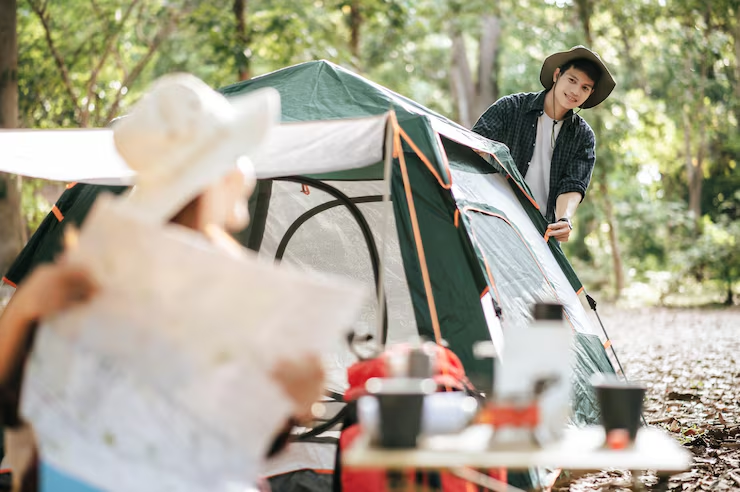
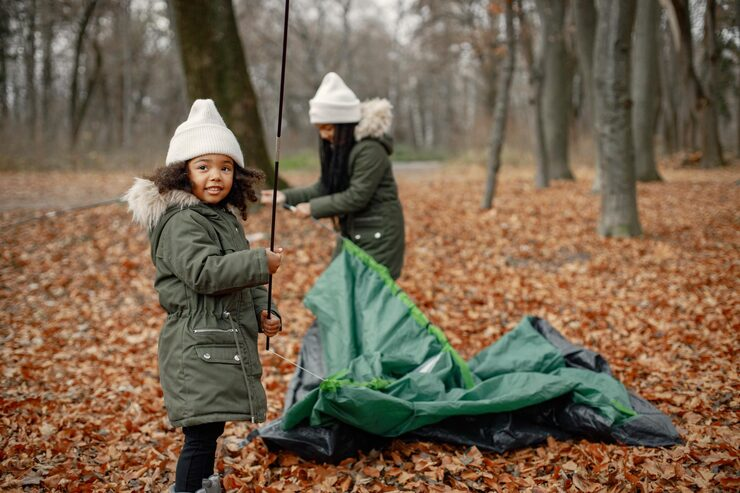
Testing equipment before a trip improves efficiency and confidence. Setting up tents, stoves, or hammocks at home helps campers:
- Identify missing parts
- Learn proper assembly
- Reduce setup time in the field
Familiarity with gear minimizes frustration at the campsite.
Comfort and Sleep Quality
Comfort directly impacts enjoyment. Planning sleep arrangements ensures:
- Adequate insulation
- Proper ground padding
- Appropriate sleeping bags
Well-rested campers are more alert, energetic, and positive throughout the trip.
Time Management and Activity Scheduling
Planning activities helps balance exploration and relaxation. It allows campers to:
- Prioritize must-do experiences
- Avoid overexertion
- Make room for rest
A flexible schedule ensures that activities enhance rather than overwhelm the experience.
Budgeting and Cost Control
Camping is often seen as affordable travel, but costs can add up. Planning helps manage expenses related to:
- Campsite fees
- Food and supplies
- Equipment rentals
- Transportation
Budget awareness prevents financial stress and supports long-term camping enjoyment.
Environmental Responsibility and Leave No Trace
Proper planning supports responsible camping. Understanding Leave No Trace principles helps campers:
- Minimize environmental impact
- Protect wildlife
- Preserve natural spaces
Ethical camping ensures that outdoor areas remain accessible and enjoyable for future visitors.
Group Coordination and Communication
Camping with others requires coordination. Planning clarifies:
- Roles and responsibilities
- Shared equipment needs
- Meal assignments
- Activity preferences
Clear communication reduces conflict and enhances group harmony.
Adapting to Different Camping Styles
Planning allows campers to tailor experiences based on style, including:
- Tent camping
- Backpacking
- Car camping
- RV or glamping
Each style requires different preparation, and planning ensures comfort regardless of approach.
Planning for Families and Beginners
For families or first-time campers, planning is especially important. Thoughtful preparation helps:
- Reduce anxiety
- Build confidence
- Create positive first impressions
A successful first experience increases the likelihood of future outdoor adventures.
Health and Personal Needs Consideration
Planning accommodates personal health needs, such as:
- Medications
- Dietary restrictions
- Physical limitations
Addressing these needs ahead of time allows campers to focus on enjoyment rather than problem-solving.
Weather Contingency Plans
Planning for unexpected conditions helps campers stay comfortable. Contingency plans may include:
- Alternate activities
- Extra shelter options
- Emergency departure routes
Prepared campers remain calm and adaptable when conditions change.
Reducing Stress and Enhancing Enjoyment
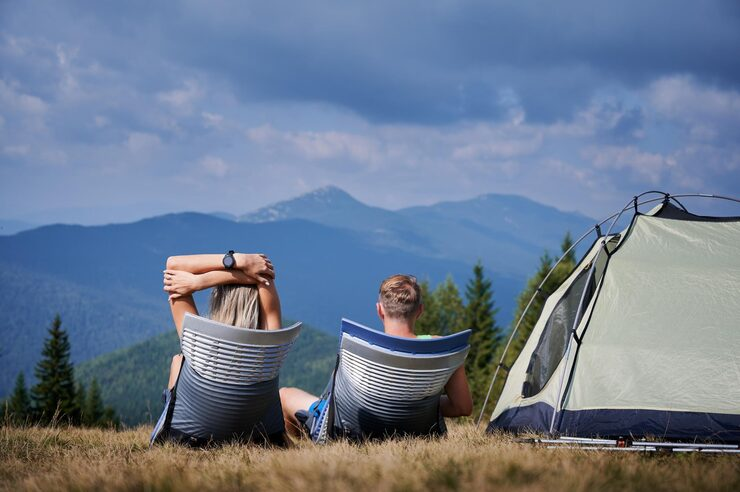
One of the greatest benefits of proper planning is reduced stress. When essentials are covered, campers can:
- Enjoy nature more fully
- Be present in the moment
- Relax without constant concern
Preparation creates peace of mind that enhances the entire experience.
Learning From Each Trip
Planning improves over time. Reviewing each trip helps identify:
- What worked well
- What could be improved
- Gear or skills to upgrade
This reflective process leads to progressively better camping experiences.
Balancing Structure and Spontaneity
Planning does not eliminate spontaneity. Instead, it allows for:
- Confident exploration
- Flexibility within safe boundaries
- Enjoyment without unnecessary risk
The best camping experiences combine preparation with openness to discovery.
Long-Term Benefits of Thoughtful Planning
Consistent planning habits lead to:
- Increased confidence outdoors
- Safer and more enjoyable trips
- Greater appreciation for nature
- Sustainable outdoor practices
These benefits extend beyond individual trips and shape lifelong outdoor skills.
Final Thoughts
Proper planning is the foundation of a successful camping experience. By preparing thoughtfully, campers reduce stress, enhance comfort, and create space for meaningful outdoor moments.
From choosing the right campsite to packing efficiently and anticipating challenges, planning transforms camping into a rewarding and memorable adventure. When preparation supports the journey, nature becomes a place of relaxation, connection, and lasting enjoyment.


