
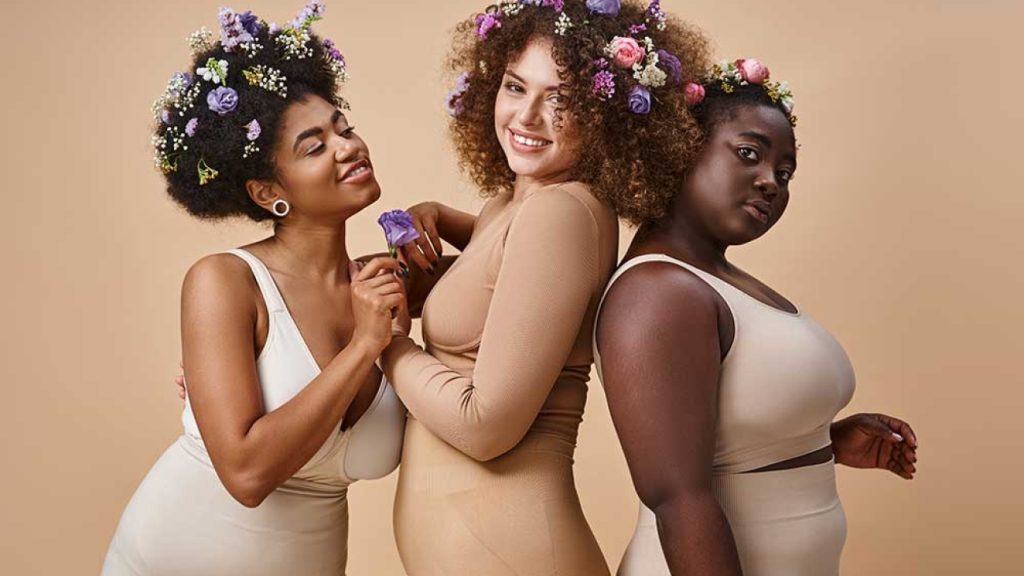
From Limited Options to Inclusive Style Expression
Plus-size fashion has undergone a significant transformation over the past several decades. Once marginalized and poorly represented, the industry has gradually evolved into a more inclusive and expressive space that acknowledges diverse body types, personal style, and self-confidence.
Today, plus-size fashion is not simply an extension of standard sizing. It has become a dynamic segment of the fashion industry, driven by consumer demand, cultural change, and a growing emphasis on representation. This article explores how plus-size fashion has evolved over the years and what has shaped its journey.
Early Years: Practicality Over Style
For much of the 20th century, plus-size clothing was designed primarily with practicality in mind. Fashion for larger bodies focused on coverage rather than creativity.
Common characteristics included:
- Limited color choices
- Loose, shapeless silhouettes
- Minimal attention to trends
- Heavy or outdated fabrics
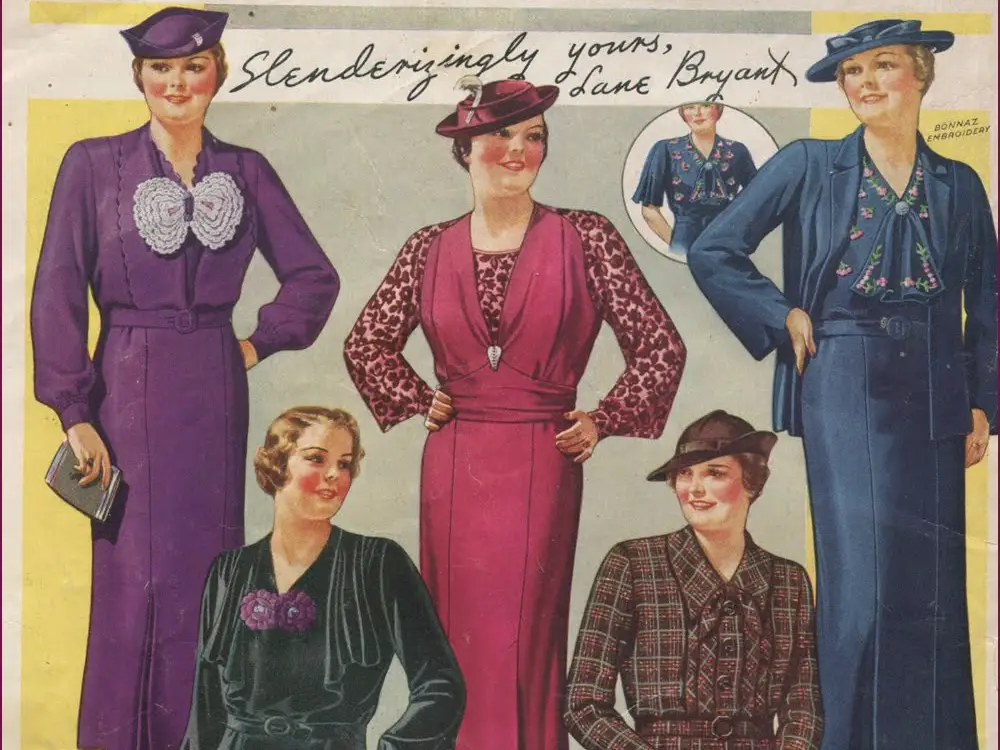
Clothing was often marketed as “figure-flattering,” implying that bodies needed to be hidden rather than celebrated. Fashion options were sparse, and style expression was limited.
The Influence of Department Stores and Mail-Order Catalogs
In the mid-to-late 1900s, department stores and mail-order catalogs were among the few places offering plus-size clothing. While availability improved, variety remained limited.
Designs prioritized modesty and uniformity. Many garments mirrored standard-size styles but lacked thoughtful tailoring for different proportions. Despite broader access, plus-size fashion remained largely disconnected from mainstream trends.
The Rise of Dedicated Plus-Size Brands
The late 1990s and early 2000s marked a turning point. Brands dedicated exclusively to plus-size consumers began to emerge, recognizing the need for better fit and style.
These brands focused on:
- Designing specifically for plus-size proportions
- Introducing trend-inspired silhouettes
- Offering more size-inclusive ranges
For the first time, plus-size consumers had access to fashion-forward clothing designed with their bodies in mind rather than adapted from smaller sizes.
The Impact of the Body Positivity Movement
The body positivity movement played a pivotal role in reshaping plus-size fashion. As conversations around self-acceptance and representation gained momentum, fashion brands began responding to changing consumer values.
This shift encouraged:
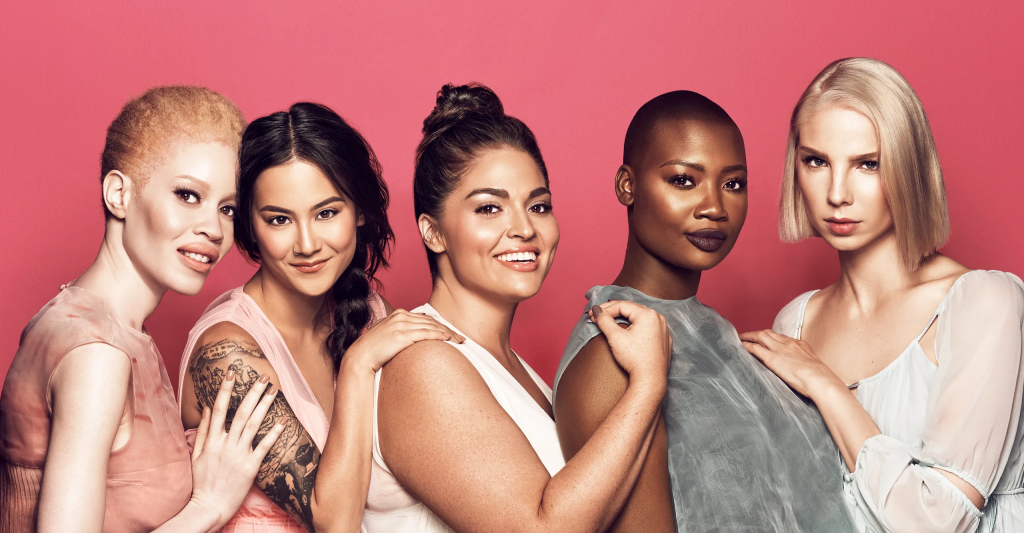
- Inclusive advertising campaigns
- Diverse models on runways and in catalogs
- Messaging that celebrated body diversity
Fashion became a tool for empowerment rather than concealment.
Social Media as a Catalyst for Change
Social media platforms transformed the visibility of plus-size fashion. Bloggers, influencers, and everyday consumers shared their personal style, challenging traditional beauty standards.
This digital exposure:
- Amplified underrepresented voices
- Held brands accountable for inclusivity
- Highlighted demand for fashionable plus-size options
Consumers were no longer passive recipients; they actively shaped trends and influenced product development.
Mainstream Brands Enter the Plus-Size Market
As demand grew, mainstream fashion brands expanded their size offerings. While early efforts were inconsistent, the shift marked a significant milestone.
Key developments included:
- Extended size ranges in popular collections
- Plus-size collaborations with designers and influencers
- Improved fit technology and pattern grading
Although challenges remain, plus-size consumers gained greater access to contemporary styles.
Fit Innovation and Technical Design Improvements
One of the most important advancements in plus-size fashion has been improved fit. Brands invested in research, pattern development, and fit models to better serve diverse body shapes.
Innovations include:
- Multiple fit models across size ranges
- Proportion-aware pattern grading
- Stretch fabrics designed for comfort and structure
Better fit has enhanced both comfort and confidence for consumers.
Representation Beyond Clothing
Modern plus-size fashion extends beyond garments. Representation now includes:
- Marketing imagery
- Brand leadership
- Fashion journalism
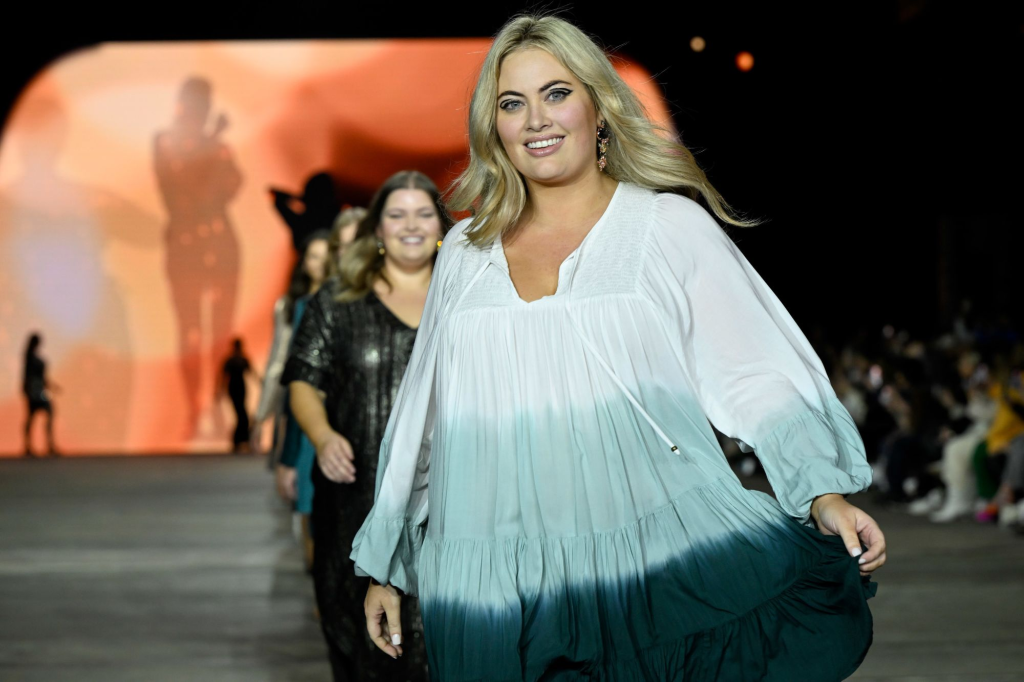
- Runway casting
This broader representation has helped normalize body diversity within the industry.
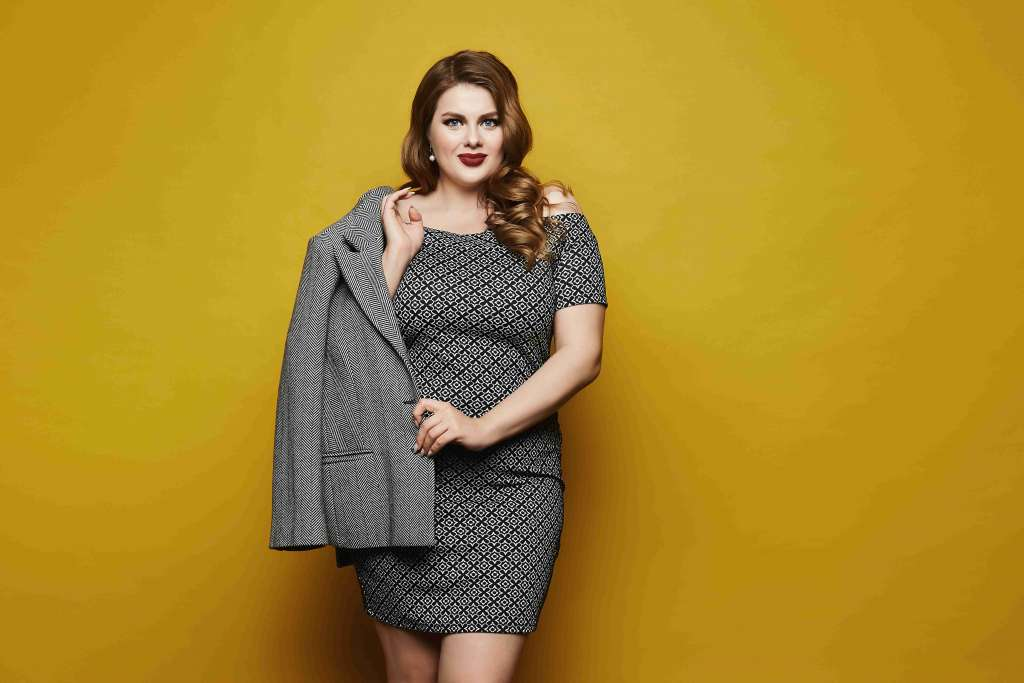
Plus-Size Fashion Today: Style Without Limits
Today’s plus-size fashion reflects the same variety found in standard sizing. Consumers can choose from:
- Casual and athleisure wear
- Professional and tailored styles
- Evening and formal attire
- Trend-driven seasonal collections
Fashion has shifted from size-based limitations to individual expression.
Ongoing Challenges in the Industry
Despite progress, challenges persist:
- Inconsistent sizing across brands
- Limited availability in physical stores
- Higher price points for extended sizes
- Fewer luxury options
Consumers continue advocating for equitable treatment and better access across all fashion categories.
The Role of Consumer Demand
Consumer voices remain central to progress. Feedback, purchasing power, and public discourse influence how brands approach inclusivity.
Brands that actively listen and adapt are more likely to build long-term trust and loyalty within the plus-size community.
Cultural Shifts and Changing Beauty Standards
Changing cultural attitudes toward beauty have reinforced the evolution of plus-size fashion. Media representation, celebrity influence, and generational shifts have expanded the definition of style and attractiveness.
Fashion increasingly reflects real bodies and lived experiences.
Sustainability and Ethical Fashion in Plus Sizes
As sustainability becomes a priority, plus-size consumers are also demanding ethical practices:
- Responsible sourcing
- Durable construction
- Transparent sizing practices
Inclusive fashion must also be sustainable to remain meaningful and accessible.
The Future of Plus-Size Fashion
The future of plus-size fashion points toward:
- Further size inclusivity
- Personalized fit technology
- Expanded luxury and specialty offerings
- Continued cultural representation
Progress depends on ongoing commitment from brands, designers, and consumers alike.
Final Thoughts
Plus-size fashion has evolved from a niche afterthought into a vibrant and influential segment of the industry. What began as limited, utilitarian clothing has transformed into a space for creativity, empowerment, and self-expression.
While challenges remain, the trajectory is clear. Plus-size fashion continues to move toward inclusivity, innovation, and respect for diverse bodies. As the industry evolves, it increasingly reflects a simple truth: style is not defined by size, but by individuality.


