

Personal loans have become one of the most widely used financial tools for managing expenses, consolidating debt, and covering unexpected costs. Yet many people hesitate to explore them because they’re unsure how they work or whether they’re the right choice for their situation.
Understanding personal loans is not about encouraging borrowing—it’s about knowing when they can be used responsibly and when other options may be better. When used strategically, personal loans can provide flexibility, predictable payments, and financial breathing room. When used poorly, they can add unnecessary strain.
This article explains how personal loans work, what to expect when applying, and when they make practical financial sense.

What Is a Personal Loan?
A personal loan is a type of installment loan that allows borrowers to receive a lump sum of money upfront and repay it over time through fixed monthly payments. Unlike credit cards, personal loans typically have a defined repayment schedule and a clear end date.
Personal loans are often unsecured, meaning they don’t require collateral such as a home or vehicle. Some lenders also offer secured personal loans, which may come with lower interest rates but require assets as security.
Because of their flexibility, personal loans are used for a wide range of purposes, from financial consolidation to planned expenses.
How Personal Loans Work Step by Step
The process of obtaining a personal loan generally follows a predictable path.
First, a borrower applies through a bank, credit union, or online lender. The lender reviews factors such as credit history, income, debt levels, and overall financial stability. Based on this evaluation, the lender determines eligibility, interest rate, loan amount, and repayment terms.
Once approved, funds are typically deposited directly into the borrower’s bank account. Repayment begins shortly after, usually within 30 days, and continues until the loan is paid off in full.
This structured repayment model is one of the main differences between personal loans and revolving credit.
Common Uses for Personal Loans
Personal loans are versatile, which is part of their appeal. Common uses include:
- Consolidating high-interest debt
- Covering medical or dental expenses
- Paying for home repairs or improvements
- Funding major life events or emergencies
- Managing moving or relocation costs
- Supporting education or training expenses
Because lenders generally don’t restrict how funds are used, borrowers have flexibility—though responsible use is essential.
Interest Rates and Repayment Terms Explained
Interest rates on personal loans vary widely depending on creditworthiness, loan length, and market conditions. Borrowers with stronger credit profiles typically qualify for lower rates, while those with limited or challenged credit may face higher costs.
Repayment terms usually range from two to seven years. Shorter terms often come with higher monthly payments but lower total interest costs. Longer terms reduce monthly payments but may increase the overall amount paid over time.
Understanding this trade-off helps borrowers choose a loan structure that fits their budget.
Fixed Payments and Predictability
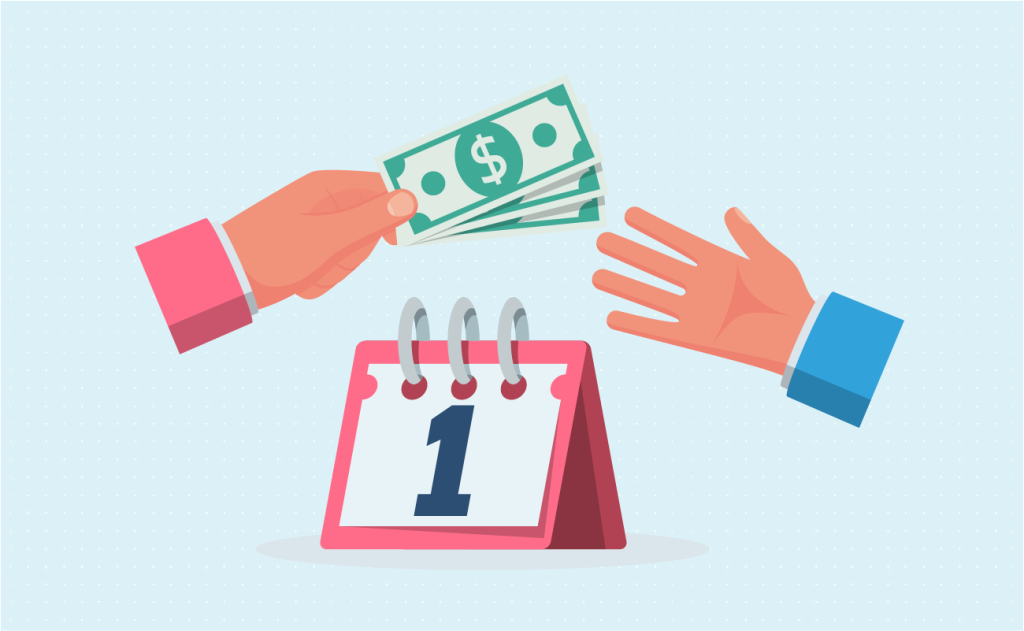
One of the biggest advantages of personal loans is predictability. Most personal loans come with fixed interest rates and fixed monthly payments.
This consistency allows borrowers to:
- Plan monthly budgets more easily
- Avoid fluctuating payment amounts
- Know exactly when the loan will be paid off
For people managing multiple expenses or working toward financial stability, this structure can provide peace of mind.
When Personal Loans Make Financial Sense
Personal loans are not ideal for every situation, but they can be a smart choice under certain circumstances.
They often make sense when:
- High-interest debt can be consolidated into a lower-rate loan
- A large, necessary expense needs structured repayment
- Emergency costs arise without access to savings
- Predictable monthly payments are preferred over revolving credit
In these cases, a personal loan can simplify finances and reduce long-term costs when managed responsibly.
Using Personal Loans for Debt Consolidation
Debt consolidation is one of the most common and practical uses of personal loans. By combining multiple balances—such as credit cards or smaller loans—into one payment, borrowers can reduce complexity and potentially lower interest costs.
Benefits may include:
- One monthly payment instead of several
- Lower overall interest rate
- Clear payoff timeline
However, consolidation only works when borrowers avoid accumulating new debt after taking the loan.
Situations Where Personal Loans May Not Be Ideal
While personal loans offer flexibility, they aren’t always the best option.
They may not make sense when:
- Borrowing is used for discretionary or nonessential spending
- Interest rates are higher than existing debt
- Income is unstable or repayment is uncertain
- Lower-cost alternatives are available
Evaluating alternatives helps ensure borrowing decisions support long-term financial health.

Credit Scores and Personal Loan Approval
Credit scores play a significant role in personal loan approval and pricing. Lenders use credit history to assess risk and determine interest rates.
Higher scores generally lead to:
- Better approval odds
- Lower interest rates
- More flexible repayment terms
That said, some lenders specialize in working with borrowers who have limited or rebuilding credit, though rates may be higher.
Understanding credit impact helps borrowers set realistic expectations before applying.
Fees and Other Costs to Consider
Beyond interest, personal loans may include additional costs such as:
- Origination fees
- Late payment penalties
- Prepayment policies
Reading loan disclosures carefully ensures there are no surprises. Transparent lenders clearly outline all fees upfront, allowing borrowers to make informed comparisons.
Comparing Personal Loans to Other Financing Options
Personal loans are just one of several financing tools available.
Compared to credit cards, they often offer lower interest rates and structured repayment. Compared to payday loans, they are significantly safer and more affordable. Compared to home equity products, they don’t require collateral.
Choosing the right option depends on risk tolerance, cost, and financial goals.
How to Decide If a Personal Loan Is Right for You
Before applying, borrowers should consider:
- The purpose of the loan
- Total repayment cost
- Monthly budget impact
- Available alternatives
A personal loan should support financial stability, not create additional stress. Running the numbers ahead of time can prevent regret later.

Responsible Borrowing and Long-Term Impact
Responsible use of personal loans can improve financial outcomes. On-time payments can strengthen credit history, while structured repayment encourages disciplined budgeting.
On the other hand, missed payments can negatively affect credit and lead to added costs. Treating a personal loan as a long-term commitment—not quick cash—is essential.
Final Thoughts: Understanding When Personal Loans Make Sense
Personal loans are neither inherently good nor bad. They are tools—and like any tool, their value depends on how and when they’re used.
By understanding how personal loans work, comparing options carefully, and choosing borrowing situations wisely, individuals can make informed decisions that align with their financial goals. When used responsibly, personal loans can offer clarity, structure, and flexibility during times when financial support is needed most.