
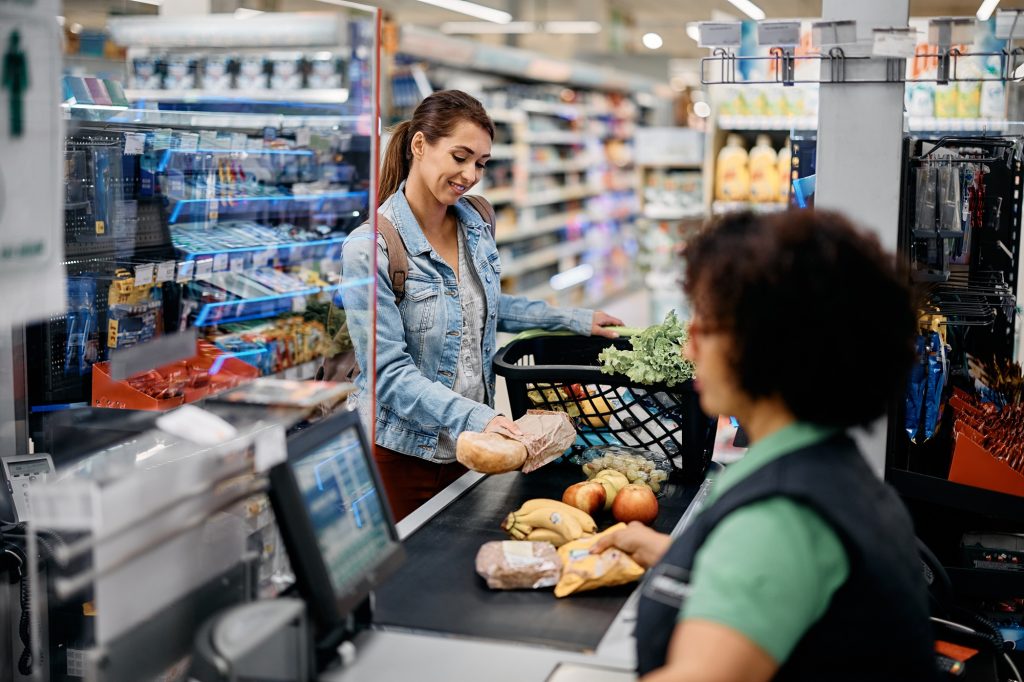
Rising food prices and everyday living costs have made grocery expenses one of the biggest budget challenges for households. For families balancing rent, utilities, transportation, and healthcare, even small increases at the checkout counter can create financial strain. Grocery card programs exist to help relieve this pressure by providing targeted support for food purchases.
These programs are designed to supplement household budgets, improve food access, and support nutritional stability during times of need. While often misunderstood, grocery card programs play an important role in helping individuals and families maintain consistent access to essential food items.
This article explains how grocery card programs support households, how they work, who they help, and why they are an important part of financial assistance systems.

What Are Grocery Card Programs?
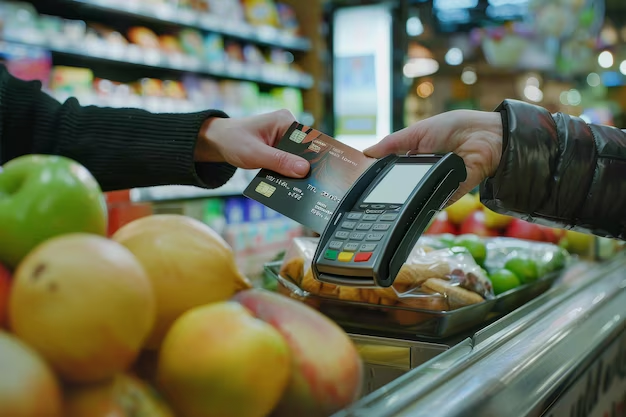
Grocery card programs provide households with prepaid cards or electronic benefits that can be used to purchase eligible food items. These cards function similarly to debit cards but are restricted to approved grocery retailers and qualifying purchases.
The purpose of grocery card programs is to ensure funds are used for essential nutrition while offering recipients flexibility in choosing foods that meet their needs and preferences.
These programs are often administered by government agencies, nonprofit organizations, or community groups as part of broader assistance efforts.
Why Food Assistance Is Necessary for Many Households
Food costs are a recurring expense that cannot be postponed. When budgets tighten, groceries are often one of the first areas where households feel pressure.
Factors contributing to food insecurity include:
- Rising food and transportation costs
- Job loss or reduced work hours
- Medical or childcare expenses
- Fixed incomes for seniors and individuals with disabilities
Grocery card programs help stabilize food access during these challenges, reducing the risk of skipped meals or reliance on less nutritious options.
How Grocery Card Programs Work
Grocery card programs typically provide monthly or periodic benefits loaded onto a card. Recipients use the card at participating grocery stores to purchase approved food items.
Key features often include:
- Preloaded benefit amounts
- Restrictions on non-food purchases
- Acceptance at major grocery retailers
Because benefits are replenished regularly, households can plan grocery shopping more effectively.
Supporting Household Budgets
One of the primary benefits of grocery card programs is how they free up household income for other essential needs.
By covering part of the grocery bill, these programs help households:
- Allocate funds toward rent or utilities
- Manage transportation or medical costs
- Reduce reliance on credit or loans
This budget relief supports overall financial stability rather than addressing food needs in isolation.
Improving Access to Nutritious Food
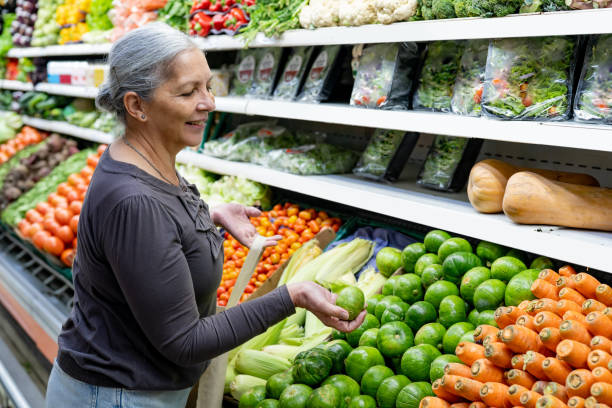
Grocery card programs are designed to promote access to nutritious food rather than processed alternatives. Many programs prioritize or require spending on staple items such as fruits, vegetables, grains, and proteins.
This focus helps households:
- Maintain balanced diets
- Support children’s growth and development
- Manage chronic health conditions
Reliable access to nutritious food contributes to better long-term health outcomes.
Flexibility Compared to Food Pantries
While food pantries and meal programs provide essential support, grocery card programs offer a different level of flexibility.
With grocery cards, households can:
- Choose foods that align with dietary needs
- Shop according to personal schedules
- Purchase culturally appropriate items
This flexibility preserves dignity and autonomy while meeting basic needs.
Who Grocery Card Programs Typically Serve
Grocery card programs support a wide range of households, including:
- Low-income families
- Seniors on fixed incomes
- Individuals with disabilities
- Workers facing temporary income loss
- Families experiencing emergencies
Eligibility is often based on income, household size, or specific circumstances such as job disruption or medical hardship.
Short-Term and Long-Term Assistance Models
Some grocery card programs provide short-term relief during emergencies, while others offer ongoing monthly support.
Short-term programs may help households recover from:
- Job loss
- Natural disasters
- Unexpected medical expenses
Long-term programs focus on sustained food security for households with ongoing financial challenges.
Reducing Stress and Improving Well-Being
Food insecurity can have emotional and psychological effects on households. Worrying about how to afford groceries creates stress that impacts both adults and children.
Grocery card programs help reduce this burden by:
- Providing predictable food assistance
- Allowing families to plan meals
- Offering reassurance during uncertain times
Reduced stress contributes to better mental health and family stability.
Supporting Children and Educational Outcomes
Children are especially affected by food insecurity. Inconsistent access to nutritious food can impact concentration, energy levels, and academic performance.
By ensuring households can afford groceries, grocery card programs help:
- Support healthy childhood development
- Improve school readiness and focus
- Reduce hunger-related disruptions
Stable nutrition plays a foundational role in educational success.
Economic Benefits for Local Communities
Grocery card programs also support local economies. Because benefits are spent at grocery stores, funds circulate within communities.
This spending helps:
- Support local retailers
- Maintain jobs in food supply chains
- Strengthen neighborhood economies
The impact extends beyond individual households to broader community stability.
Common Misunderstandings About Grocery Card Programs
Despite their benefits, grocery card programs are sometimes misunderstood.
Common misconceptions include:
- They encourage dependency
- Benefits are misused
- Assistance replaces employment income
In reality, these programs are designed to supplement—not replace—household resources and are often used alongside employment or other income sources.

How Grocery Card Programs Complement Other Assistance
Grocery card programs often work alongside housing assistance, healthcare support, or utility relief programs. This layered approach addresses multiple needs simultaneously.
When combined, assistance programs help households:
- Stabilize finances
- Improve health outcomes
- Work toward long-term independence
Food security is a cornerstone of broader support systems.
Why Grocery Card Programs Matter
Access to food is a basic necessity, yet many households face ongoing challenges in meeting this need. Grocery card programs provide practical, targeted support that helps families maintain nutrition and stability.
By reducing food-related financial pressure, these programs allow households to focus on employment, education, health, and long-term goals.
Final Thoughts: Strengthening Households Through Food Support
Grocery card programs play a vital role in supporting households facing rising food costs and financial uncertainty. By providing flexible, dignified assistance for grocery purchases, these programs help ensure consistent access to nutritious food.
Understanding how grocery card programs work highlights their importance not just as food assistance, but as tools for household stability and community resilience. When families have reliable access to groceries, they are better positioned to thrive.


