
Why Drone Photography Is More Than a Trend
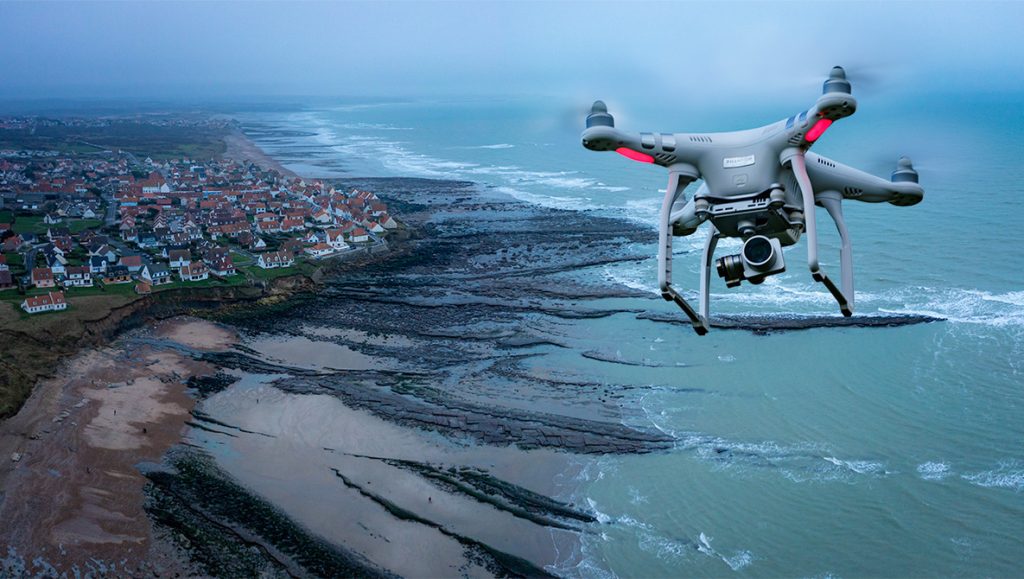
Drone photography has moved far beyond hobbyists capturing scenic landscapes. Today, it is reshaping how industries operate, market, inspect, plan, and tell stories. What was once expensive and inaccessible is now efficient, scalable, and highly visual.
By providing aerial perspectives that were previously impossible or cost-prohibitive, drones have unlocked new levels of insight, efficiency, and engagement across multiple sectors. From construction and real estate to agriculture, media, and emergency services, drone photography is quietly redefining how work gets done.
This article explores how drone photography is transforming entire industries — and why its impact is only growing.
The Power of a New Perspective
At its core, drone photography changes perspective. Elevated viewpoints reveal patterns, relationships, and details that ground-level visuals simply cannot capture.
Industries rely on visuals not just for aesthetics, but for:
- Decision-making
- Documentation
- Safety
- Communication
- Marketing
Drones compress time, reduce risk, and deliver data-rich imagery — all while lowering operational costs.
Real Estate Marketing Has Been Redefined
Few industries adopted drone photography faster than real estate.
Traditional property photos often fail to convey:
- Lot size
- Surrounding environment
- Proximity to amenities
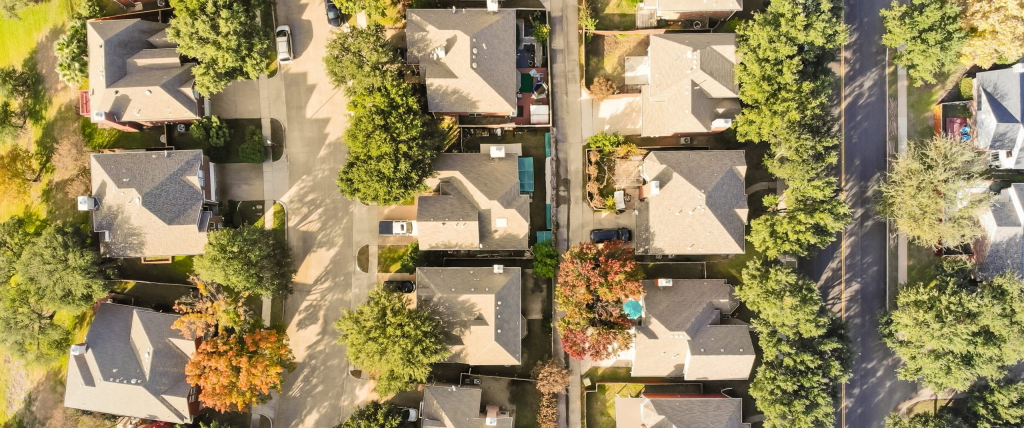
- Neighborhood layout
Drone photography solves this instantly.
How Drones Improve Property Listings
- Showcase full property scale
- Highlight views and surroundings
- Increase online engagement
- Improve buyer confidence
Listings with aerial imagery consistently perform better, attract more qualified buyers, and shorten time on market.
Construction and Infrastructure Gain Critical Visibility
Construction projects demand accuracy, safety, and accountability. Drone photography delivers all three.
Instead of manual inspections or expensive helicopter surveys, drones provide:
- Real-time site overviews
- Progress tracking
- Structural inspections
- Safety monitoring
Key Benefits for Construction
- Reduced inspection risk
- Faster reporting cycles
- Improved stakeholder communication
- Visual project documentation
Project managers use drone imagery to spot issues early, reduce delays, and maintain compliance.
Agriculture Becomes More Precise and Efficient
Drone photography is transforming modern agriculture into a data-driven operation.
Farmers and agronomists use drones to:
- Monitor crop health
- Identify irrigation issues
- Detect pest infestations
- Assess soil conditions
Multispectral drone imaging reveals plant stress invisible to the naked eye, enabling targeted interventions that save time, resources, and yield.
This shift supports:
- Precision farming
- Reduced chemical usage
- Higher productivity
- Sustainable practices
Media and Journalism Tell Bigger Stories
News organizations and content creators increasingly rely on drone photography to tell stories with scale and context.
Drones allow journalists to:
- Document natural disasters safely
- Capture large-scale events
- Visualize environmental change
- Add depth to investigative reporting
Aerial visuals provide credibility and immediacy, helping audiences understand the full scope of complex stories.
Film, Advertising, and Content Creation Expand Creativity
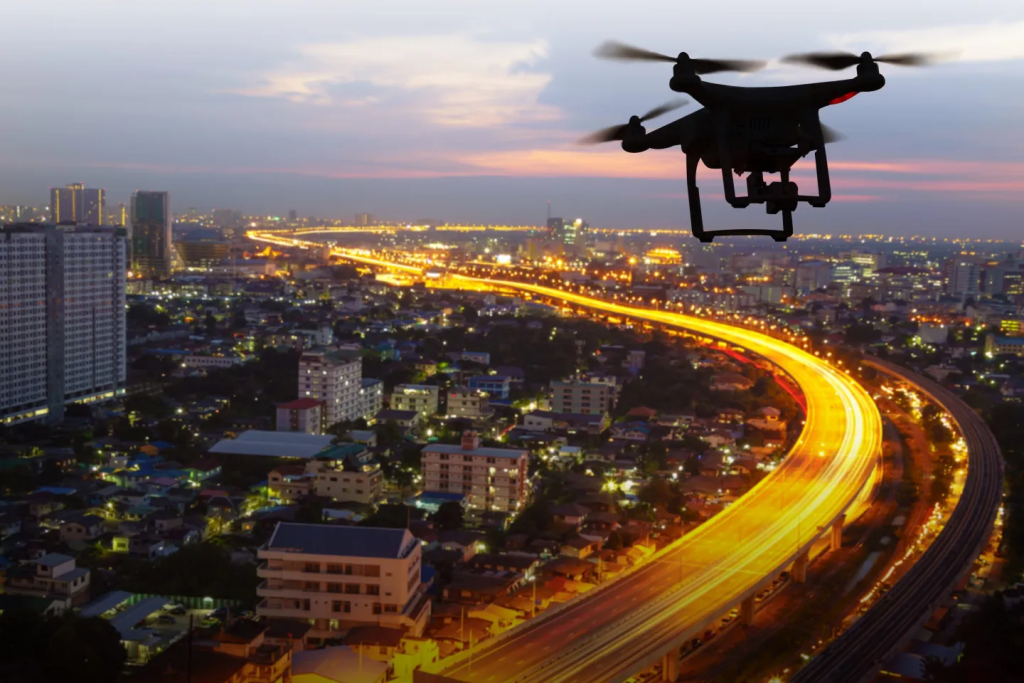
Drone photography has democratized cinematic visuals.
Previously, aerial shots required helicopters, cranes, or massive budgets. Today, creators achieve cinematic movement with compact drones.
Industries benefiting include:
- Film and television
- Advertising
- Travel marketing
- Brand storytelling
Dynamic aerial footage enhances emotional impact, visual flow, and narrative depth — especially in digital-first campaigns.
Tourism and Hospitality Attract Global Attention
Travel decisions are visual. Drone photography elevates destinations by showcasing landscapes, resorts, and experiences from breathtaking angles.
Tourism boards and hotels use drones to:
- Highlight scenic surroundings
- Promote experiences
- Increase booking interest
- Differentiate destinations
Aerial visuals create desire by making viewers feel immersed before they arrive.
Insurance and Risk Assessment Improve Accuracy
Insurance companies increasingly use drones for:
- Property inspections
- Damage assessments
- Claim verification
After storms or natural disasters, drones provide rapid assessments without placing inspectors in dangerous environments.
This leads to:
- Faster claims processing
- Reduced fraud
- Improved customer satisfaction
Drone photography brings efficiency and transparency to traditionally slow processes.
Emergency Services and Disaster Response Save Time
In emergency situations, time matters.
Drone photography supports:
- Search and rescue operations
- Fire assessment
- Flood monitoring
- Disaster mapping
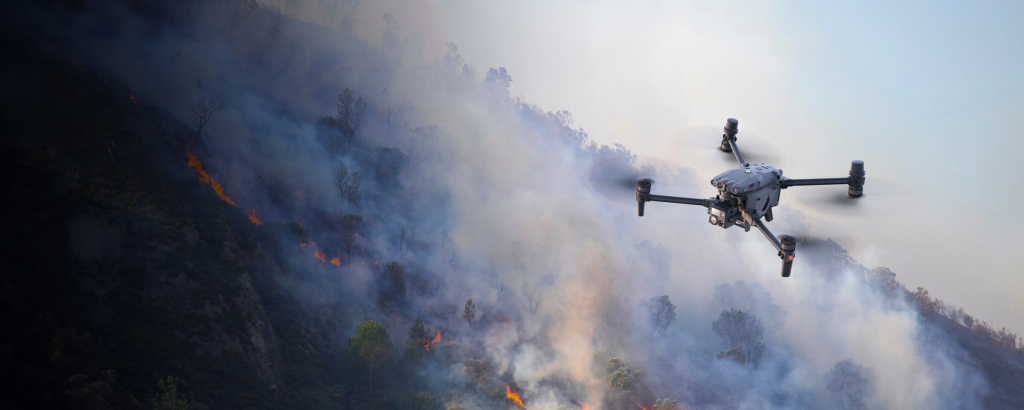
Aerial imagery allows responders to assess situations quickly, allocate resources effectively, and minimize risk to personnel.
Urban Planning and Smart Cities Gain Insight
City planners use drone photography to visualize infrastructure, traffic patterns, and land use.
Applications include:
- Mapping urban growth
- Monitoring public works
- Planning transportation routes
- Environmental impact analysis
Drones offer up-to-date visuals that support smarter planning and more informed policy decisions.
Environmental Monitoring and Conservation Advance
Conservationists rely on drone photography to monitor ecosystems with minimal disruption.
Uses include:
- Wildlife tracking
- Forest health monitoring
- Coastal erosion analysis
- Habitat protection
Drones provide non-invasive observation while covering large areas efficiently — essential for conservation efforts.
Manufacturing and Industrial Inspections Become Safer
Industrial environments often involve hard-to-reach or hazardous areas.
Drone photography enables:
- Equipment inspections
- Facility monitoring
- Structural assessments
This reduces downtime, lowers inspection costs, and improves workplace safety.
The Business Case for Drone Adoption
Industries adopt drone photography because it delivers measurable value.
Key advantages include:
- Cost reduction
- Faster data collection
- Improved accuracy
- Enhanced visual communication
As drone technology advances, adoption continues to grow across sectors.
Regulatory Compliance and Professional Standards
With increased use comes regulation.
Industries must ensure:
- Licensed operators
- Airspace compliance
- Data security
- Privacy considerations
Professional drone operations prioritize safety, legality, and ethical standards.
Technology Advancements Driving Industry Growth
Drone photography continues to evolve through:
- Higher-resolution sensors
- AI-powered analysis
- Autonomous flight planning
- Real-time data transmission
These advancements expand use cases and deepen industry integration.
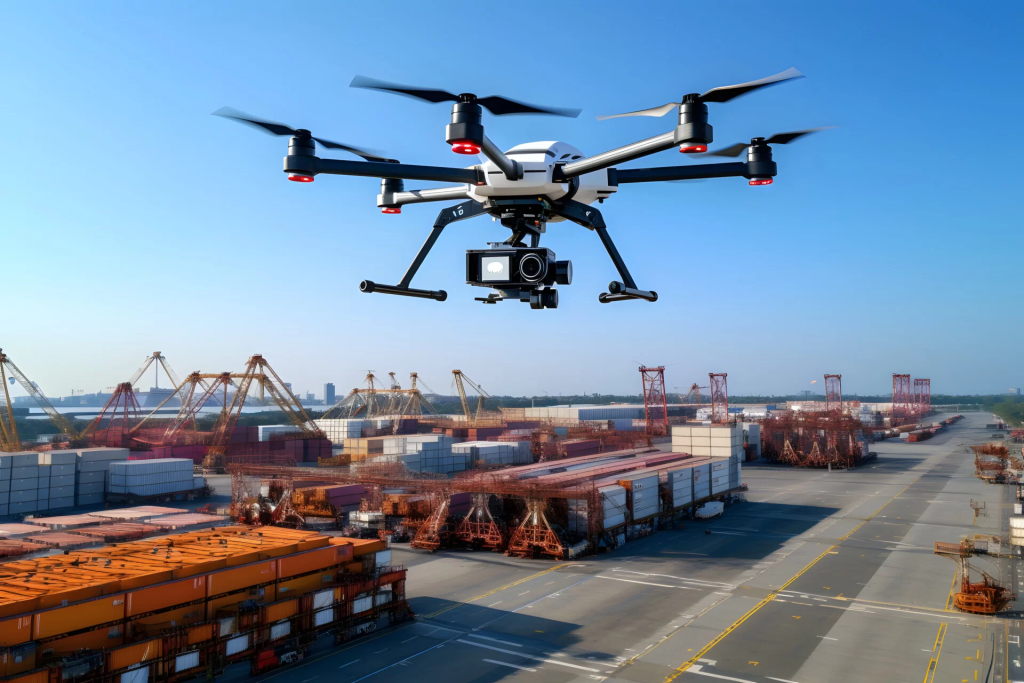
Why Drone Photography Matters for Marketing and SEO
In digital marketing, visuals drive engagement.
Drone imagery:
- Increases time on page
- Improves click-through rates
- Enhances brand credibility
- Supports storytelling
Industries leveraging drone visuals stand out in crowded online environments.
The Future of Drone Photography Across Industries
Drone photography is no longer experimental — it’s essential.
As technology becomes more accessible and regulations mature, drones will continue reshaping workflows, storytelling, and decision-making across industries.
Organizations that adopt drone photography gain:
- Competitive advantage
- Operational efficiency
- Stronger visual communication
The sky is no longer the limit — it’s the platform.
Final Thoughts
Drone photography has transformed how industries see the world — literally and strategically.
By delivering perspective, precision, and performance, drones are redefining standards across real estate, construction, agriculture, media, emergency services, and beyond.
Industries that embrace this transformation don’t just capture better images — they make better decisions.


