
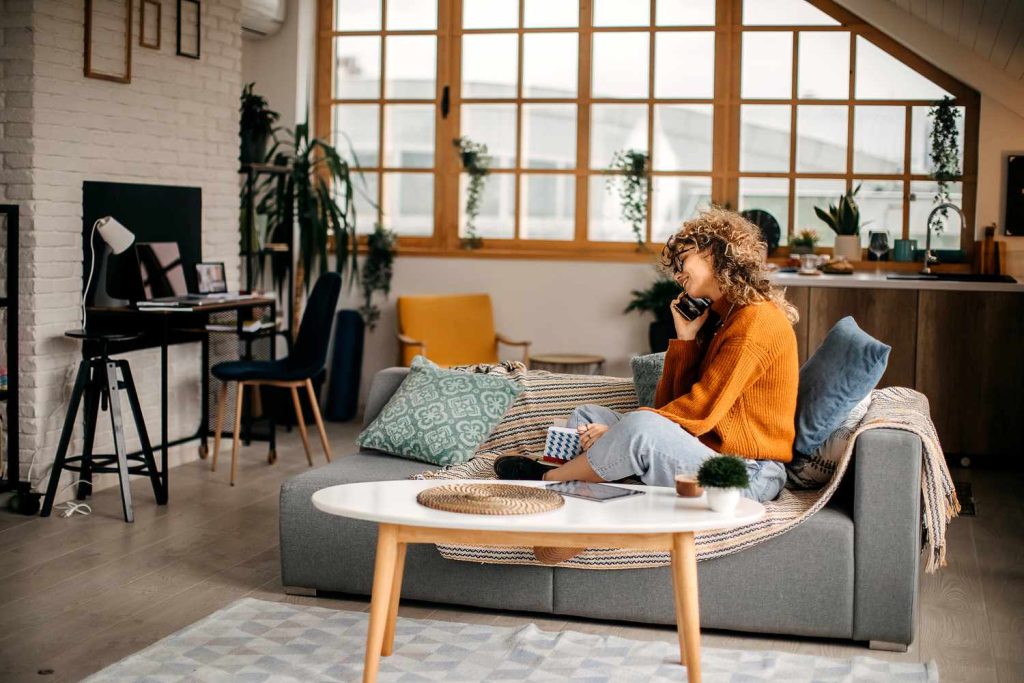
Redefining Togetherness Through Intentional Space
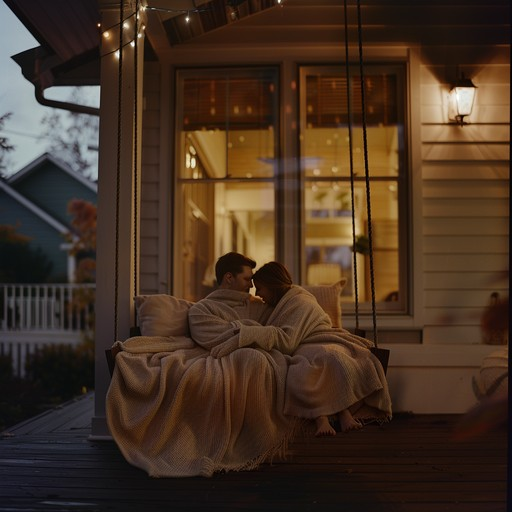
Tiny homes are more than a housing trend — they represent a lifestyle shift toward simplicity, intentional living, and deeper connection. For couples, tiny homes create environments where space is shared thoughtfully and daily life becomes more meaningful.
By reducing physical space, couples often discover emotional closeness and clarity they didn’t expect.
Less Space Creates More Connection
In a tiny home, shared spaces are unavoidable — and that’s a benefit, not a limitation.
Couples naturally:
- Communicate more
- Spend time together intentionally
- Develop better awareness of each other’s routines
Instead of separating into different rooms, partners engage more often, strengthening everyday connection.
Simplifying Possessions Reduces Stress
Tiny living requires downsizing. This process encourages couples to:
- Keep only what they truly need
- Let go of excess belongings
- Focus on experiences over objects
With fewer possessions to manage, mental clutter decreases — leading to a calmer, more peaceful home environment.
Financial Freedom Brings Relationship Balance

One of the biggest advantages of tiny homes is affordability.
Lower costs often mean:
- Reduced mortgage or rent
- Lower utility bills
- Less financial pressure
When financial stress decreases, couples experience fewer conflicts and more freedom to plan for shared goals like travel, savings, or creative pursuits.
Encouraging Teamwork and Communication
[IMAGE: couple organizing tiny home storage together]
Living small requires coordination.
Couples must:
- Share storage intentionally
- Maintain organization
- Communicate about routines
This fosters teamwork and mutual respect. Tiny homes encourage problem-solving together rather than separately.
Cleaner Living With Less Effort
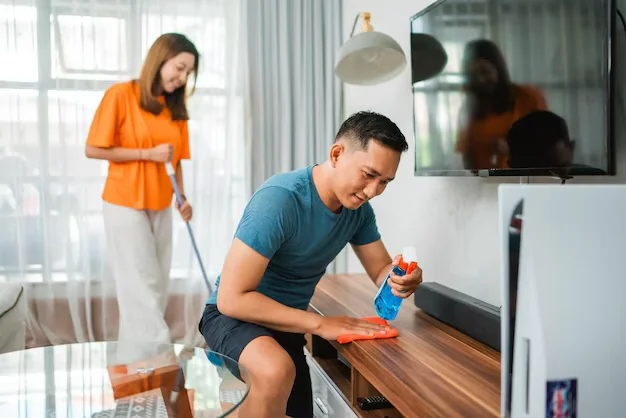
Smaller spaces take less time to clean and maintain.
With fewer rooms and surfaces:
- Cleaning is quicker
- Chores feel manageable
- More time is freed for meaningful activities
This simplicity allows couples to focus on what matters most rather than constant upkeep.
Designing Space Around Lifestyle, Not Stuff
[IMAGE: custom tiny home interior with multipurpose furniture]
Tiny homes are often customized to match how couples actually live.
Design features include:
- Multi-functional furniture
- Convertible workspaces
- Outdoor extensions
This personalization makes everyday living more efficient and enjoyable.
Greater Appreciation for Shared Moments
Tiny living encourages mindfulness.
With fewer distractions, couples often become more present — appreciating quiet mornings, shared meals, and uninterrupted conversations.
Life slows down, and small moments gain importance.
Mobility Creates Shared Adventure
For couples in mobile tiny homes, travel becomes part of everyday life.
This flexibility allows couples to:
- Explore new environments
- Live closer to nature
- Align lifestyle with values
Shared adventure strengthens bonds and keeps life dynamic.
Sustainability Builds Shared Purpose
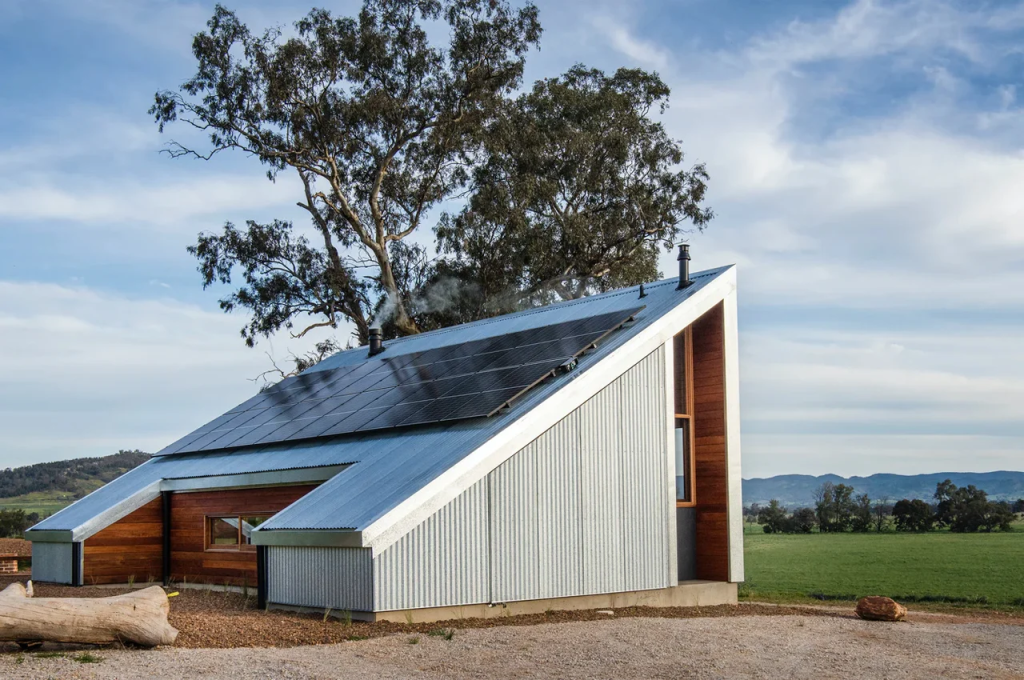
Tiny homes promote sustainable living through:
- Reduced energy use
- Smaller environmental footprint
- Efficient resource management
Couples who value sustainability often find deeper alignment when living in ways that reflect shared ethics.
Growth Through Intentional Living
Tiny homes challenge couples to live deliberately.
They encourage:
- Mindful decision-making
- Clear priorities
- Stronger partnership
Living with less creates space for growth — individually and together.
Final Thoughts
Tiny homes enhance couple living by removing excess and highlighting what truly matters.
Through shared space, reduced stress, and intentional design, couples often discover deeper connection, greater freedom, and a simpler way of life that feels both grounding and empowering.
Sometimes, living smaller leads to living better — together.


