

Why Assisted Living Is Often Misunderstood
Assisted living is frequently misunderstood as a loss of independence. In reality, modern assisted living communities are designed to protect independence while providing support only where needed.
For many seniors, assisted living offers a balanced solution — maintaining autonomy, privacy, and dignity while reducing the burdens and risks that can come with aging alone. Rather than replacing independence, assisted living enhances it by removing obstacles that interfere with daily life.
Understanding how assisted living supports independent seniors helps families make informed, confident decisions about long-term care.
What Assisted Living Really Means
Assisted living is a residential care option that provides:
- Private or semi-private living spaces
- Help with select daily activities
- Access to meals, housekeeping, and transportation
- Social and wellness opportunities
- On-site staff for safety and support
Unlike nursing homes, assisted living does not focus on intensive medical care. Instead, it supports seniors who are largely independent but benefit from assistance with specific tasks.
Independence as the Core Principle
Modern assisted living communities are built around one guiding principle: choice.
Residents typically choose:
- When to wake up and go to bed
- What activities to participate in
- How much support they receive
- How to personalize their living space
- How to spend their time
Support is flexible and individualized, allowing seniors to remain in control of their daily routines.
Safe Living Without Sacrificing Freedom
One of the biggest challenges of aging independently is safety.
Assisted living supports independence by:
- Reducing fall risks
- Providing emergency response systems
- Offering accessible living designs
- Ensuring staff availability around the clock
These features allow seniors to move freely and confidently without constant worry — or reliance on family members for supervision.

Help With Daily Tasks — Only When Needed
Assisted living does not mean giving up daily responsibilities entirely.
Residents may receive help with:
- Medication reminders
- Dressing or grooming
- Mobility assistance
- Bathing or hygiene
- Meal preparation
Support is tailored to individual needs and can increase or decrease over time. Seniors remain involved in daily activities while avoiding physical strain or injury.
This approach preserves dignity and encourages continued engagement.
Maintaining Privacy and Personal Space
Privacy is a major priority in assisted living environments.
Most communities offer:
- Private apartments or suites
- Lockable doors
- Personal furnishings and décor
- Control over visitors and schedules
Seniors maintain a sense of home while gaining access to shared amenities when they choose.
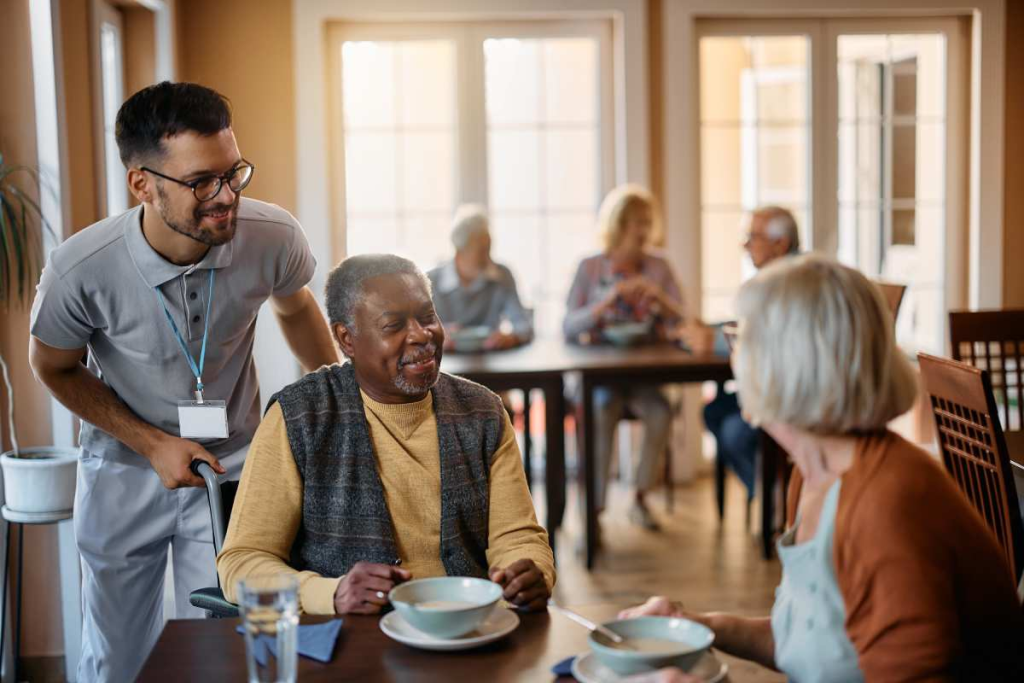
Nutrition and Dining That Supports Independence
Preparing meals can become difficult with age due to mobility, energy, or safety concerns.
Assisted living dining services support independence by:
- Offering nutritious, chef-prepared meals
- Accommodating dietary needs
- Providing flexible dining schedules
- Eliminating grocery shopping and cooking risks
Residents enjoy meals without the stress of preparation while still choosing what and when to eat.
Social Engagement Without Obligation
Loneliness is one of the biggest risks for seniors living alone.
Assisted living communities offer:
- Group activities and events
- Fitness and wellness programs
- Creative and educational opportunities
- Informal social spaces
Participation is optional. Seniors engage socially on their own terms, helping prevent isolation while respecting personal preferences.

Transportation That Preserves Mobility
Driving becomes challenging or unsafe for many seniors, but losing transportation can limit independence.
Assisted living supports mobility through:
- Scheduled transportation services
- Access to medical appointments
- Shopping and errand trips
- Community outings
This ensures seniors stay connected to the outside world without the risks associated with driving.
Medication Management for Peace of Mind
Managing medications independently can be complex.
Assisted living helps by:
- Providing medication reminders
- Assisting with organization
- Monitoring for missed doses
- Coordinating with healthcare providers
This support reduces health risks while allowing seniors to remain informed and involved in their care.
Encouraging Physical and Mental Wellness
Assisted living communities prioritize wellness.
Programs often include:
- Light exercise and mobility classes
- Cognitive stimulation activities
- Wellness monitoring
- Access to therapy services
Staying physically and mentally active supports independence by maintaining strength, balance, and cognitive function.
Reducing Burden on Family Members
Assisted living benefits not only seniors, but their families.
Families gain:
- Peace of mind
- Reduced caregiving stress
- Confidence that loved ones are supported
- Improved relationships without caregiver strain
Seniors retain independence without feeling like a burden — strengthening family connections.
Flexibility as Needs Change
One of the greatest advantages of assisted living is adaptability.
As needs evolve, services can:
- Increase gradually
- Be adjusted without relocation
- Support aging in place longer
This flexibility prevents disruptive moves and supports long-term independence within a familiar environment.
Financial Predictability and Simplicity
Managing homeownership costs can become overwhelming.
Assisted living simplifies expenses by bundling:
- Housing
- Utilities
- Meals
- Maintenance
- Basic services
This predictability helps seniors plan financially while avoiding unexpected repair or maintenance issues.
Supporting Emotional Well-Being
Independence is not only physical — it is emotional.
Assisted living supports emotional health by:
- Encouraging self-expression
- Promoting meaningful relationships
- Reducing anxiety about safety
- Supporting autonomy and self-worth
Feeling secure and supported enhances confidence and overall quality of life.
Dispelling Common Assisted Living Myths
Myth: Assisted living takes away independence
Reality: It preserves independence by removing barriers.
Myth: Residents lose control over daily life
Reality: Residents maintain choice and autonomy.
Myth: Assisted living is only for those who are very ill
Reality: It is ideal for active seniors who need limited support.
Understanding these realities helps families make informed decisions without fear.
How Assisted Living Differs From Other Senior Care Options
Assisted living is distinct from:
- Independent living (no daily support)
- Nursing homes (medical-focused care)
- Home care (limited in-home assistance)
It bridges the gap between independence and full medical care, offering the best of both worlds for many seniors.

Choosing the Right Assisted Living Environment
The right assisted living community emphasizes:
- Resident choice
- Personalized care
- Respect and dignity
- Transparent communication
- Engaging lifestyle options
Visiting communities and asking questions helps seniors find environments that align with their values and independence goals.
Long-Term Benefits of Assisted Living
For many seniors, assisted living:
- Extends independence
- Prevents avoidable injuries
- Improves quality of life
- Supports healthy aging
- Reduces stress and isolation
Rather than signaling decline, assisted living often marks a new phase of empowered living.
Final Thoughts
Assisted living options are designed to support independent seniors — not replace their autonomy. By offering targeted assistance, safe environments, and meaningful lifestyle opportunities, assisted living removes barriers that limit independence rather than restricting it.
For seniors who value freedom, dignity, and choice, assisted living provides a supportive foundation that allows independence to flourish.
Independence isn’t about doing everything alone — it’s about having the freedom to live life on your own terms.


