
Per- and polyfluoroalkyl substances (PFAS), often called “forever chemicals,” have become one of the most talked-about contaminants in drinking water. These man-made chemicals were widely used for decades in nonstick cookware, stain-resistant fabrics, food packaging, firefighting foam, and countless industrial applications.
The problem is that PFAS break down extremely slowly. Once they enter the environment, they can remain for years—or even decades—in water, soil, wildlife, and the human body.
Recent nationwide testing has found PFAS contamination in drinking water systems serving millions of Americans, making water filtration one of the most practical ways households can reduce exposure. According to the U.S. Environmental Protection Agency, PFAS have been detected in drinking water systems across the country, prompting new federal drinking water standards.
Fortunately, several highly effective filtration technologies can significantly reduce PFAS levels in drinking water.
What Are PFAS?
PFAS are a large family of synthetic chemicals developed in the 1940s.
They became popular because they resist:
- Water
- Oil
- Grease
- Heat
- Stains
Common products that historically contained PFAS include:
- Nonstick cookware
- Waterproof clothing
- Fast-food packaging
- Carpets and upholstery treatments
- Certain cosmetics
- Firefighting foams
Over time, PFAS can enter groundwater, rivers, lakes, and municipal water supplies. Because they break down very slowly, they are often referred to as “forever chemicals.”
Why People Are Concerned
Research continues to examine the long-term health effects of PFAS exposure.
According to the EPA and the U.S. Centers for Disease Control and Prevention, studies have linked certain PFAS exposures to potential impacts involving cholesterol levels, immune response, liver function, developmental outcomes, and increased risk of some cancers, although risks depend on the specific compound, exposure level, and duration.
While scientists continue studying PFAS, many experts recommend reducing unnecessary exposure whenever possible.
Can You Remove PFAS From Water?
Yes.
Not all water filters work equally well against PFAS.
Simple pitcher filters can reduce some contaminants, but certain technologies have shown much stronger PFAS removal performance.
The most effective options typically include:
- Reverse osmosis systems
- Activated carbon filters
- Multi-stage filtration systems certified for PFAS reduction
The EPA notes that reverse osmosis and activated carbon technologies can significantly reduce many PFAS compounds when properly maintained.
Best Overall PFAS Filter
APEC Water Systems ROES-50 Reverse Osmosis System
Description: None
Price: None
URL:
Number of Reviews: None
Rating: None
Featured Tag: None

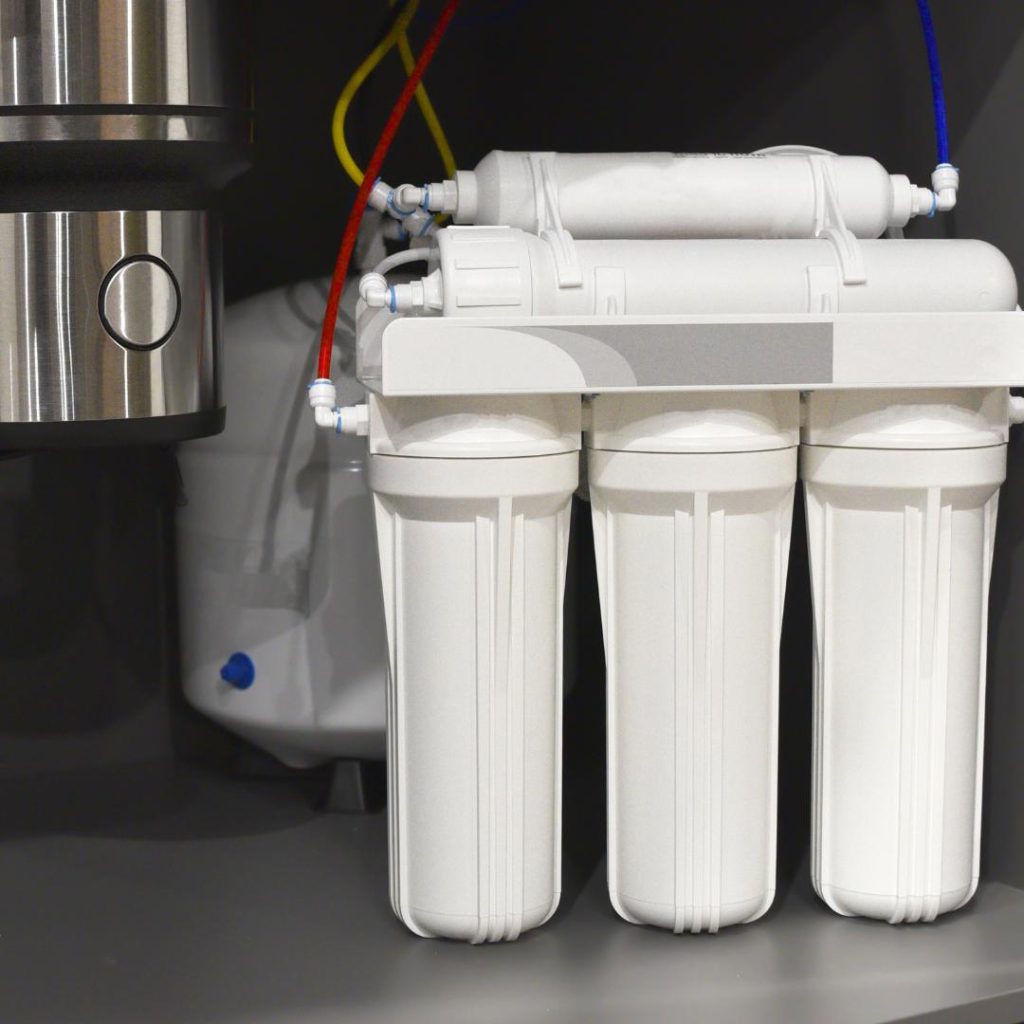
Reverse osmosis remains one of the most effective household filtration technologies available for reducing PFAS.
The APEC ROES-50 consistently appears among the most recommended residential reverse-osmosis systems thanks to its performance, reliability, and long-term value.
Why it’s recommended

- Multi-stage filtration
- Excellent PFAS reduction capability
- Removes many additional contaminants
- Long filter life
- Strong homeowner reviews
Best Under-Sink Filter
Waterdrop G3 Reverse Osmosis System
Description: None
Price: None
URL:
Number of Reviews: None
Rating: None
Featured Tag: None

For people who want filtered drinking water directly from the kitchen faucet, modern under-sink reverse osmosis systems offer excellent convenience and strong contaminant reduction.
Benefits

- Space-saving design
- Fast water flow
- Smart filter monitoring
- Strong PFAS reduction
Best Pitcher Filter
ZeroWater 10-Cup Pitcher
Description: None
Price: None
URL:
Number of Reviews: None
Rating: None
Featured Tag: None

For renters or people who cannot install permanent systems, a high-quality pitcher filter can still help reduce exposure to certain contaminants.
Independent testing has often shown ZeroWater performing exceptionally well compared with standard pitcher filters.
Why people like it

- No installation required
- Easy maintenance
- Affordable entry point
- Portable solution
Best Countertop Filter
AquaTru Classic Countertop Water Purifier
Description: None
Price: None
URL:
Number of Reviews: None
Rating: None
Featured Tag: None

Countertop systems are increasingly popular because they combine reverse-osmosis performance with easy installation.
Ideal for
- Renters
- Apartments
- Small kitchens
- Families seeking simple setup
Other Ways to Reduce PFAS Exposure

Water filtration is important, but it isn’t the only source of PFAS exposure.
You may also reduce exposure by:
- Checking local water quality reports
- Avoiding damaged nonstick cookware
- Limiting grease-resistant food packaging when possible
- Following local fish consumption advisories
- Choosing products marketed as PFAS-free when appropriate
The EPA and many state health agencies recommend staying informed about local water testing results and treatment options.
How to Check Your Water

Many utilities now publish annual water quality reports.
You can also:
- Contact your local water provider
- Review state environmental agency databases
- Use certified laboratory testing services
- Search EPA drinking water resources
If you rely on a private well, testing is especially important because private wells are generally not covered by municipal water monitoring programs.
Which Filter Is Best?
| Filter Type | PFAS Reduction | Installation | Cost |
|---|---|---|---|
| Reverse Osmosis | Excellent | Moderate | Higher |
| Under-Sink Carbon System | Very Good | Moderate | Moderate |
| Countertop RO | Excellent | Easy | Moderate |
| Pitcher Filter | Good | Very Easy | Low |
| Refrigerator Filter | Variable | Very Easy | Low |
For households specifically concerned about PFAS, reverse osmosis remains the most effective widely available filtration technology. The EPA and numerous independent water-quality organizations consistently identify reverse osmosis as one of the strongest options for reducing PFAS concentrations in drinking water.
Final Thoughts
PFAS contamination has become a nationwide concern, but there are practical steps consumers can take to reduce exposure. Understanding your local water quality, selecting a certified filtration system, and staying informed about PFAS research can go a long way toward improving drinking water confidence.
For most households seeking the highest level of protection, a quality reverse osmosis system remains the gold standard. Renters and apartment dwellers can still benefit from countertop systems or high-performing water filter pitchers that help reduce a broad range of contaminants while requiring little or no installation.


