
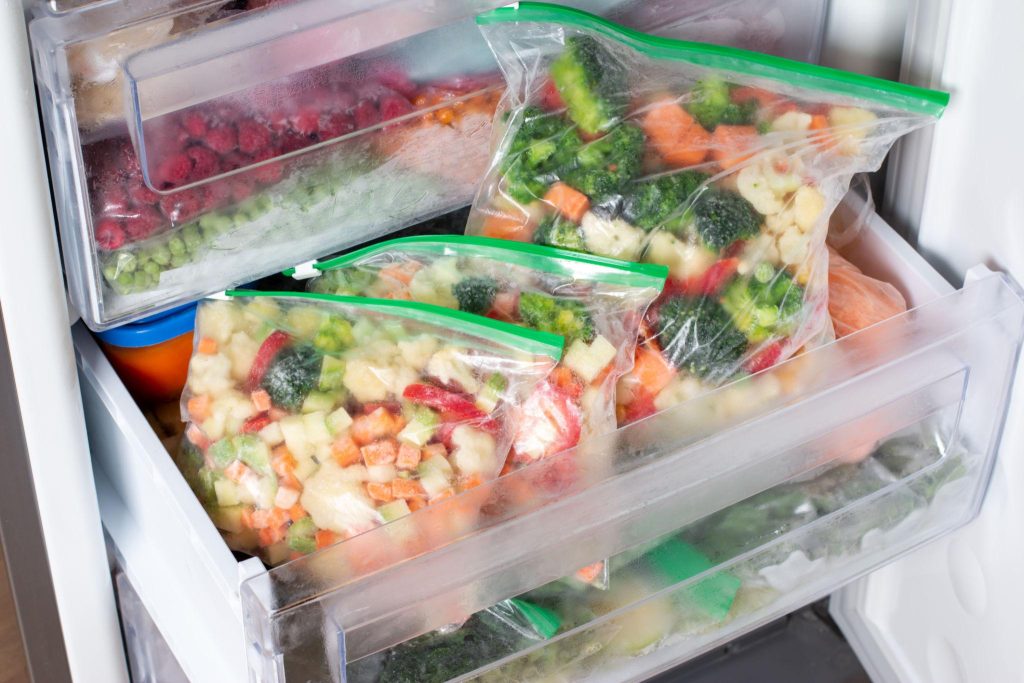
Food waste is a growing concern in many households. From forgotten leftovers to spoiled produce, it’s easy for perfectly good food to go uneaten. Beyond the environmental impact, wasted food also means wasted money.
Freezing food is one of the most effective ways to extend shelf life and preserve freshness. When done correctly, freezing can help maintain flavor, texture, and nutritional value—making it a powerful tool for reducing waste and saving time in the kitchen.
This guide shares expert tips for freezing food and reducing food waste, helping you store ingredients properly, plan meals more efficiently, and make the most of what you already have.
Why Freezing Food Works
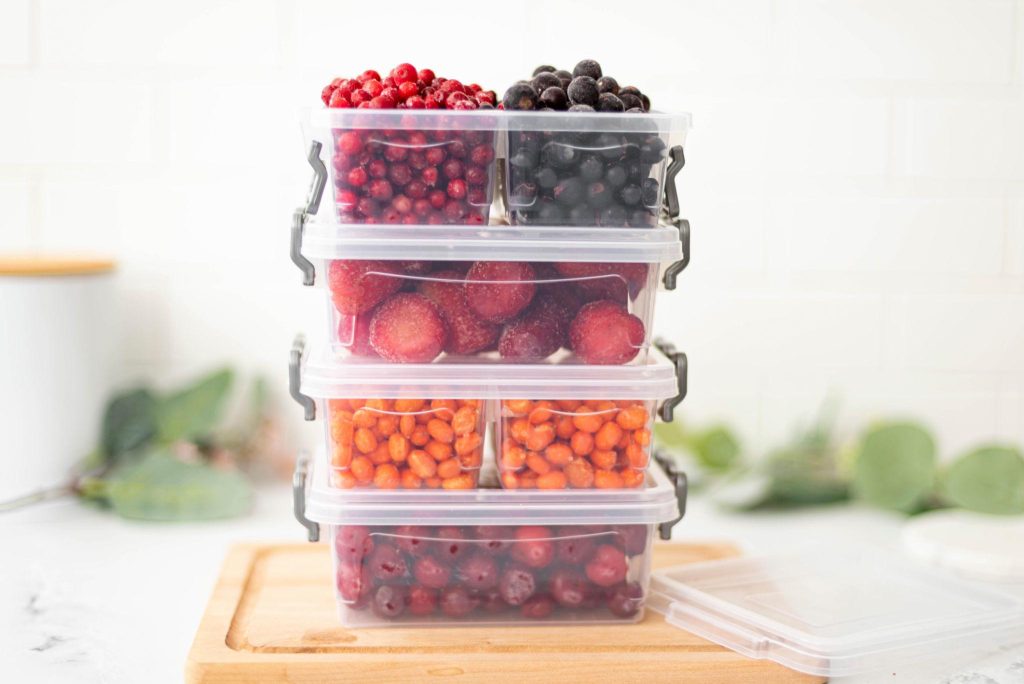
Freezing slows down the activity of bacteria and enzymes that cause food to spoil. By lowering the temperature, food can be preserved for weeks or even months without significant degradation when stored properly.
Freezing helps:
- Extend the life of fresh ingredients
- Preserve leftovers for future meals
- Reduce grocery spending
- Support meal planning and batch cooking
When used effectively, it transforms how households manage food.
The Basics Of Freezing Food Properly
Before diving into specific foods, it’s important to understand the fundamentals of freezing.
Key principles include:
- Freeze food as fresh as possible
- Remove excess air from packaging
- Use airtight containers or freezer bags
- Label and date everything
- Keep freezer temperature consistent
Following these basics ensures better quality when food is thawed.
Best Foods To Freeze
Many foods freeze exceptionally well, retaining both taste and texture.
Common freezer-friendly foods include:
- Cooked meats and poultry
- Soups and stews
- Bread and baked goods
- Cooked rice and pasta
- Vegetables (when properly prepared)
- Fruits for smoothies or baking
These foods maintain quality when stored correctly.
Foods That Do Not Freeze Well
Some foods lose texture or quality when frozen.
Examples include:
- Lettuce and leafy greens
- Raw potatoes (unless prepared)
- Cream-based sauces
- Soft cheeses
- High-water fruits like watermelon
Understanding limitations helps avoid disappointment when thawing.
How To Freeze Fruits The Right Way
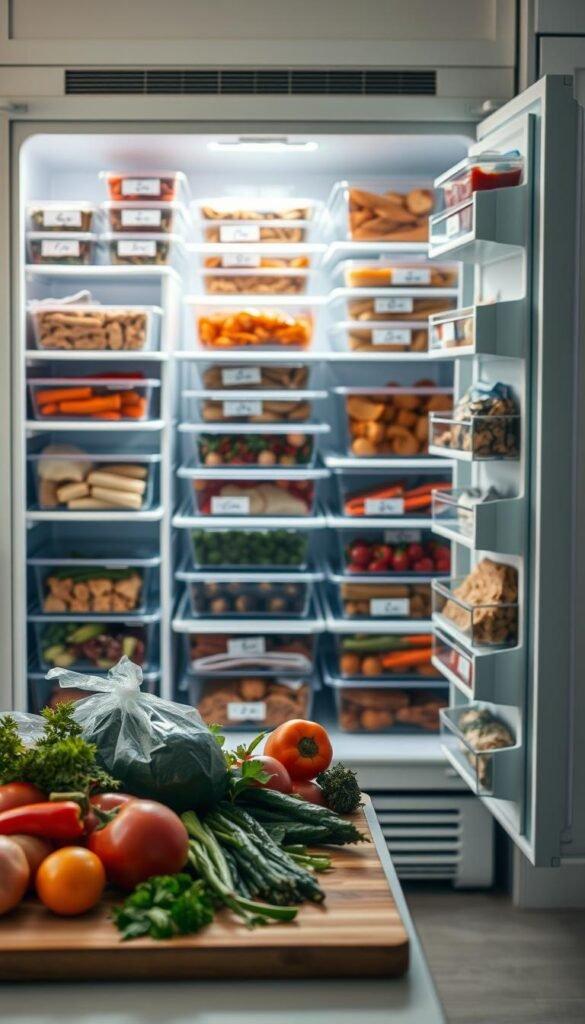
Freezing fruit is simple but requires a few steps for best results.
Tips include:
- Wash and dry thoroughly
- Cut into portions
- Freeze individually before storing
- Use airtight containers
Pre-freezing prevents clumping and makes portions easier to use.
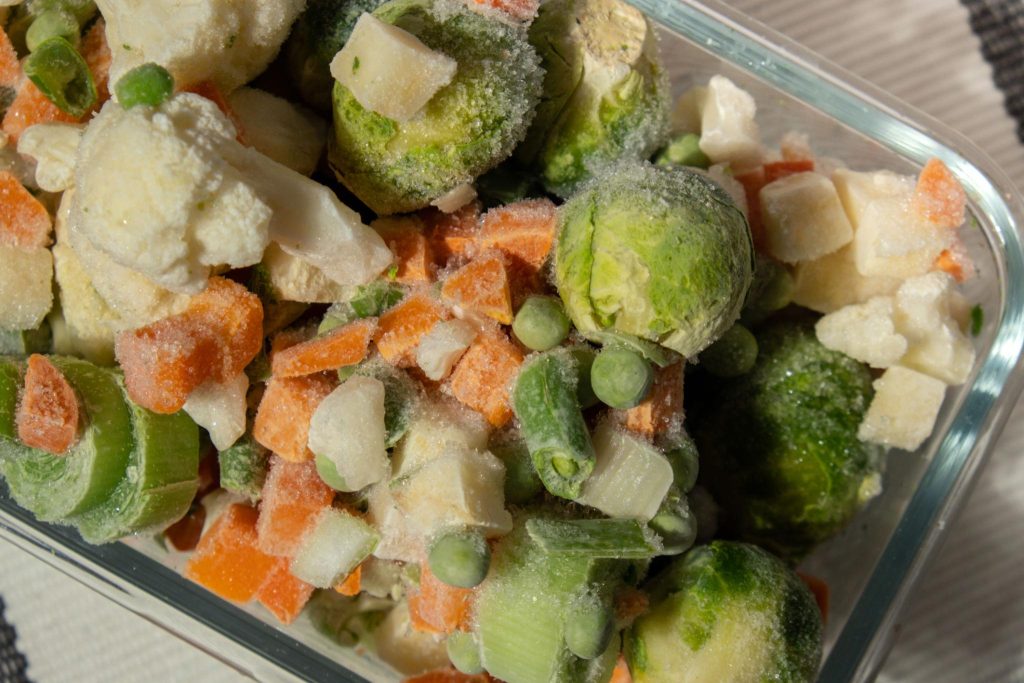
Freezing Vegetables Without Losing Quality
Vegetables often require preparation before freezing.
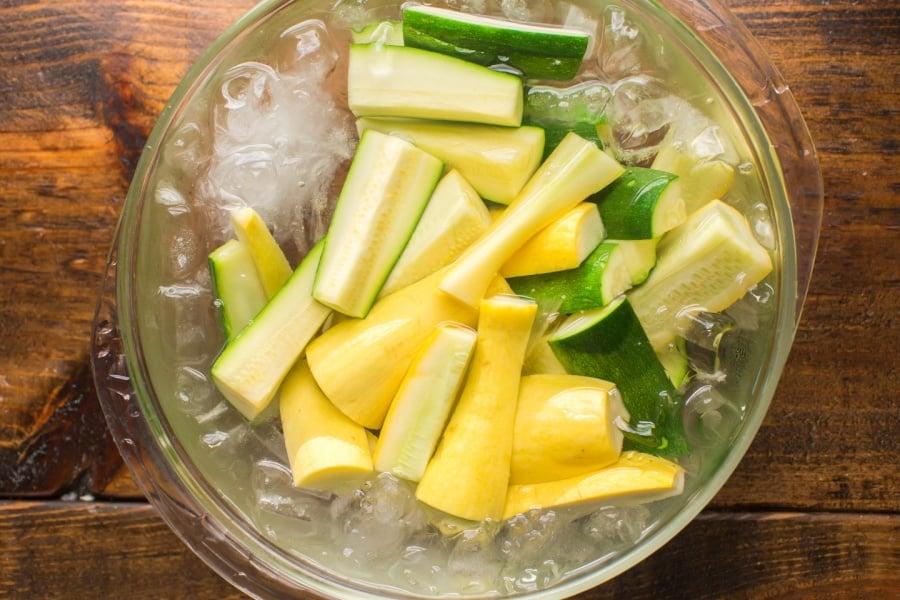
Blanching is a common method:
- Briefly boil vegetables
- Transfer to ice water
- Dry and freeze
This process helps preserve color, flavor, and nutrients.
Freezing Cooked Meals For Convenience
Batch cooking and freezing meals can save time and reduce waste.
Best practices include:
- Portion meals before freezing
- Use freezer-safe containers
- Allow food to cool before freezing
- Label clearly with dates
Prepared meals make busy days easier and prevent last-minute food waste.
Proper Packaging Makes A Difference
Packaging plays a major role in preserving food quality.
Use:
- Freezer bags with air removed
- Vacuum-sealed packaging
- Airtight containers
Reducing air exposure prevents freezer burn and preserves taste.
Understanding Freezer Burn
Freezer burn occurs when food is exposed to air, causing dehydration and texture changes.
While it may affect taste and appearance, freezer-burned food is still safe to eat.
To prevent freezer burn:
- Seal packaging tightly
- Use proper storage methods
- Avoid long storage times
Good packaging is the best defense.
Labeling And Rotation Systems
One of the biggest causes of waste is forgetting what’s in the freezer.
A simple system helps:
- Label items with name and date
- Use older items first
- Organize by category
A well-organized freezer reduces waste and improves efficiency.
Safe Thawing Methods
Proper thawing is just as important as freezing.
Safe methods include:
- Refrigerator thawing
- Cold water thawing
- Microwave defrosting
Avoid thawing food at room temperature, as it can promote bacterial growth.
How Long Food Can Stay Frozen
Freezing extends shelf life, but not indefinitely.
General guidelines:
- Meat: several months
- Cooked meals: a few months
- Fruits and vegetables: longer when stored properly
Quality gradually declines over time, so rotation is important.
Building A Freezer Friendly Routine
Making freezing part of your routine is key.
Simple habits include:
- Freezing leftovers immediately
- Keeping containers ready
- Checking freezer inventory weekly
- Rotating items regularly
Consistency leads to long-term benefits.
Final Thoughts
Freezing food is one of the simplest and most effective ways to reduce food waste while saving time and money. With the right techniques, you can preserve freshness, extend shelf life, and make everyday cooking more efficient.
By following these expert tips for freezing food and reducing food waste, households can take control of their kitchen habits and make smarter use of their groceries. Small changes in storage and planning can lead to meaningful results over time.


