
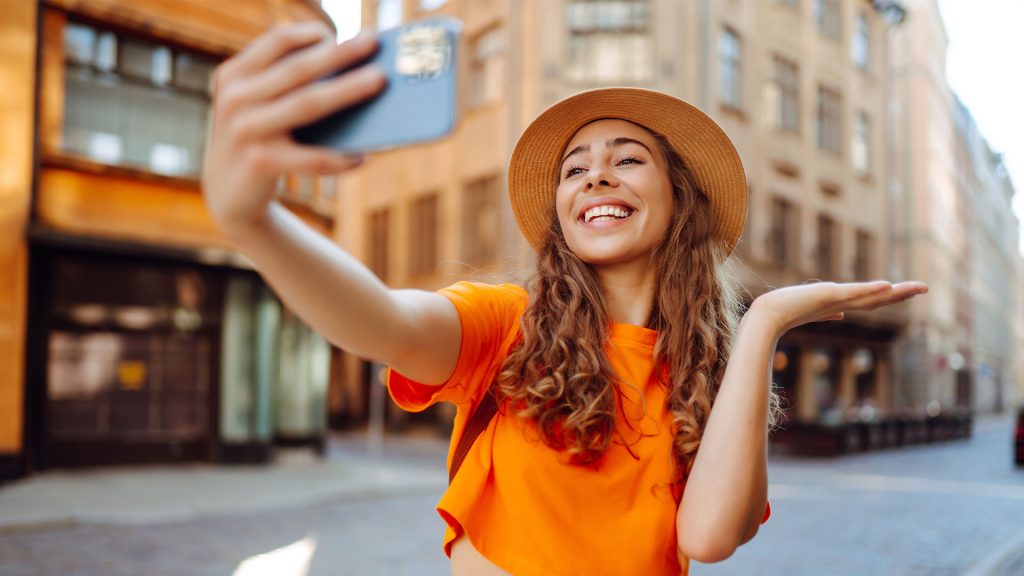
Why the Selfie Phenomenon Matters More Than You Think
Taking selfies has become a global norm — from everyday moments to travel highlights and major life events. With the rise of social media platforms and smartphone cameras, selfies are now a primary mode of visual self-expression. But as fun as selfies can be, they also come with hidden risks that go beyond vanity.
Recent research and real-world reports reveal a surprising truth: selfies are not always harmless. In some cases, they have contributed to injuries, safety hazards, and even fatalities. Understanding how and why your safety could be at risk helps you enjoy capturing memories without unintentionally putting yourself in danger.
This article explores how selfies impact personal safety — physically, socially, and digitally — and what you can do to avoid common dangers.
The Rise of the Selfie and Its Cultural Impact
Selfies are deeply tied to how people document their lives. From daily routines to extreme adventure shots, selfies communicate identity, mood, and experience instantly. They are shareable, immediate, and often tied to social validation through likes and comments.
But this cultural emphasis on visual content also incentivizes riskier behavior. When a photo is more compelling if it appears more thrilling or unusual, people sometimes prioritize the shot over their own safety.
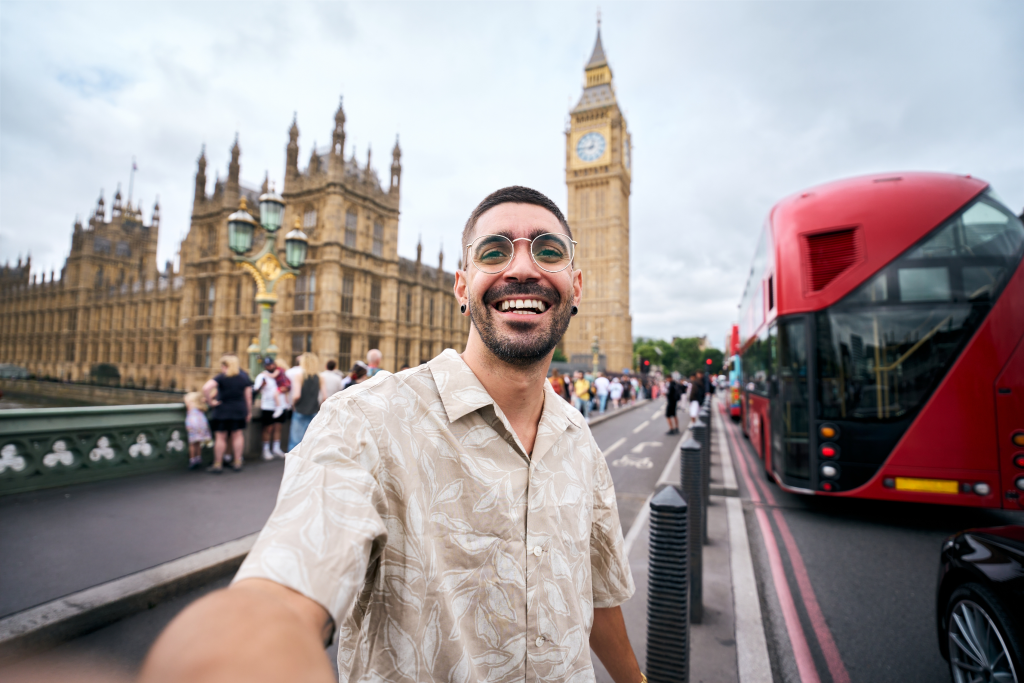
The Growing Phenomenon of Risky Selfie Behavior
Across the world, news reports have documented accidents linked directly to selfies.
Common risky scenarios include:
- Standing too close to cliff edges
- Leaning over bridges or railings
- Taking photos near moving vehicles
- Climbing unstable surfaces for a better angle
- Distracted walking into traffic
These incidents occur because the focus shifts from the environment to the camera — and momentary distraction can have permanent consequences.
Why People Take Risks for Selfies
Several psychological and social factors contribute to risky selfie behavior.
Social Validation Drives Risk
People often chase likes, shares, or followers by seeking more dramatic or eye-catching content.
The brain’s reward system responds to positive feedback — which can reinforce riskier choices over time.
Misjudging Danger for the Sake of the Shot
Visual composition can make environments appear calm or deceptively safe even when they are not. People sometimes misinterpret the actual risk when composing shots.
Peer Influence and Group Pressure
Friends and followers can encourage or applaud riskier images, leading individuals to push boundaries.
Understanding these forces helps explain why intelligent people sometimes make dangerous decisions for a photo opportunity.
Selfie-Related Injuries and Fatalities
Selfie mishaps are not rare. Multiple studies have tracked incidents such as:
- Falls from heights
- Drowning
- Electrocution
- Motor vehicle collisions
- Falls on tracks or cliffs
These incidents are not just isolated local news stories. In some countries, authorities now classify “selfie fatalities” as a public safety category because of the volume and severity.
While exact numbers fluctuate, the trend is clear: risky selfies can and do lead to serious harm.
Geography Matters: Where Selfies Are Most Dangerous
Certain locations consistently pose higher risk:
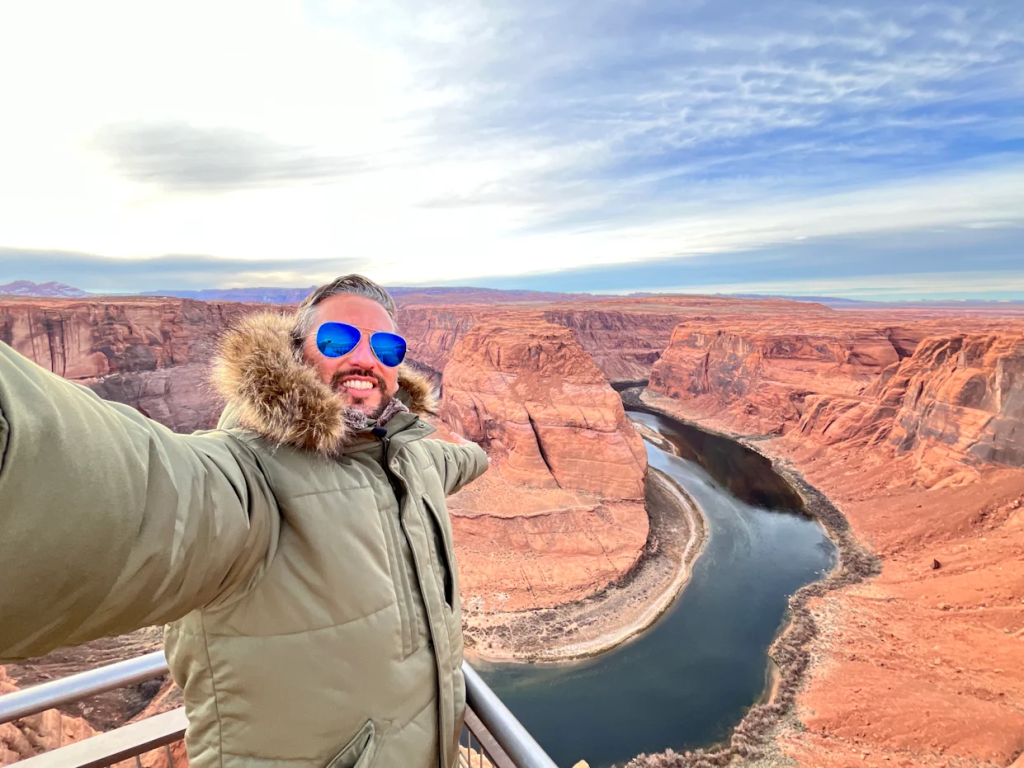
- Cliffs, mountains, and high terrain
- Waterfalls and river banks
- Rooftops and ledges
- Train tracks and bridges
- Urban rooftops without safety barriers
Tourist sites with scenic views often attract selfie seekers — sometimes without adequate safety infrastructure. Combine that with crowds and distraction, and risk multiplies.
Digital Distraction and Everyday Situations
Selfie risk isn’t limited to dramatic landscapes. Everyday locations can be hazardous when attention shifts to the phone screen.
Examples of common situations include:
- Walking while taking selfies
- Crossing streets while recording
- Navigating crowded areas without looking up
- Taking selfies in parking lots or near traffic
Digital distraction increases the likelihood of collisions, trips, and other incidents even in familiar environments.
Privacy Risks and Digital Safety
Selfies don’t just pose physical risks — they can affect your digital privacy.
Geotagging and Location Exposure
Many phones embed location data in images. Posting selfies online with geotags can reveal:
- Home locations
- Frequent routines
- Travel patterns
These details may be accessible to anyone viewing the image — including strangers.
Facial Recognition and Identity Exposure
Shared selfies contribute to datasets that can be used by algorithms for facial recognition. While often used for convenience (e.g., unlocking your phone), these technologies also raise privacy and security concerns.
Being mindful about what you share and where it appears online helps protect personal information from misuse.
The Psychology of Risk and Reward
Understanding why people take dangerous selfies requires insight into risk perception.
Humans often engage in activities where the perceived reward outweighs perceived risk. Social validation — especially among younger demographics — can create a strong incentive to capture a standout photo even when logic suggests caution.
Distracted attention caused by focusing on the camera can impair:
- Spatial awareness
- Depth perception
- Environmental judgment
This cognitive shift increases the chance of error in risky environments.
Selfies and Youth Culture
Younger people are statistically more likely to take selfies — and more likely to take risks for them.
Contributing factors include:
- Social identity formation online
- Peer recognition and digital feedback loops
- Influence from trendsetters and influencers
Educating youth about safe selfie practices is critical in reducing avoidable injuries.
Safe Selfie Practices to Protect Your Well-Being
Selfies don’t have to be dangerous. Here’s how to stay safe:
Know Your Environment
Before raising the phone, assess surroundings for:
- Unstable ground
- Obstacles and hazards
- Traffic
- Heights
Look up first. Take in the environment before framing the shot.
Avoid Distraction in Motion
Don’t take selfies while:
- Walking across streets
- Climbing
- Operating equipment
Stop moving before you capture the photo.
Respect Safety Barriers
Barriers and fences serve a purpose. Do not lean over or bypass safety installations for a shot.
Turn Off Geotagging
Disable location services on photos before sharing online to protect your privacy.
Use Timers or Remotes
Stepping a short distance away from the phone with a timer or remote reduces the need for awkward stances or unsafe positions.
Share Mindfully
Think before posting — consider whether the image reveals sensitive information about your location or routine.
These habits reduce risk while still letting you capture moments you care about.
How Influencers and Platforms Can Promote Safer Behavior
Selfies are driven by platforms, algorithms, and influencer culture.
Social platforms can encourage safety by:
- Promoting safe content
- Reducing amplification of dangerous stunts
- Featuring educational campaigns
- Offering safety reminders at high-risk locations
Influencers who model safe behavior have a powerful role in shaping norms because their audiences often emulate what they see.
Legal Consequences of Risky Selfies
In some regions, risky behavior for photos is not only dangerous — it can be illegal.
Examples include:
- Trespassing
- Ignoring safety signage
- Public endangerment
- Distracted pedestrian violations
Local authorities sometimes enforce fines or penalties when public safety is compromised.
Understanding the rules of the locations where you capture content helps avoid legal trouble.
Why Awareness Matters More Now
We live in an era where visual content fuels communication, memory, and social interaction. Selfies are part of how people document their lives — but without awareness of safety risks, that documentation can come at a serious cost.
Selfies themselves aren’t inherently dangerous — what matters is how and where they are taken, and how much attention (or distraction) the behavior creates.
By recognizing the risks and adopting safer practices, you can continue enjoying this form of self-expression without compromising your well-being or privacy.
Final Thoughts
Selfies have become a universal language of modern life — but they are not without consequence. Whether you’re capturing a scenic moment or a casual day at home, being mindful of your surroundings and digital privacy matters.
Selfies can celebrate experiences without putting you at risk — and with simple awareness and consideration, you can protect your safety, your privacy, and your peace of mind.
The next time you reach for your phone, remember: safety first, selfie second.


